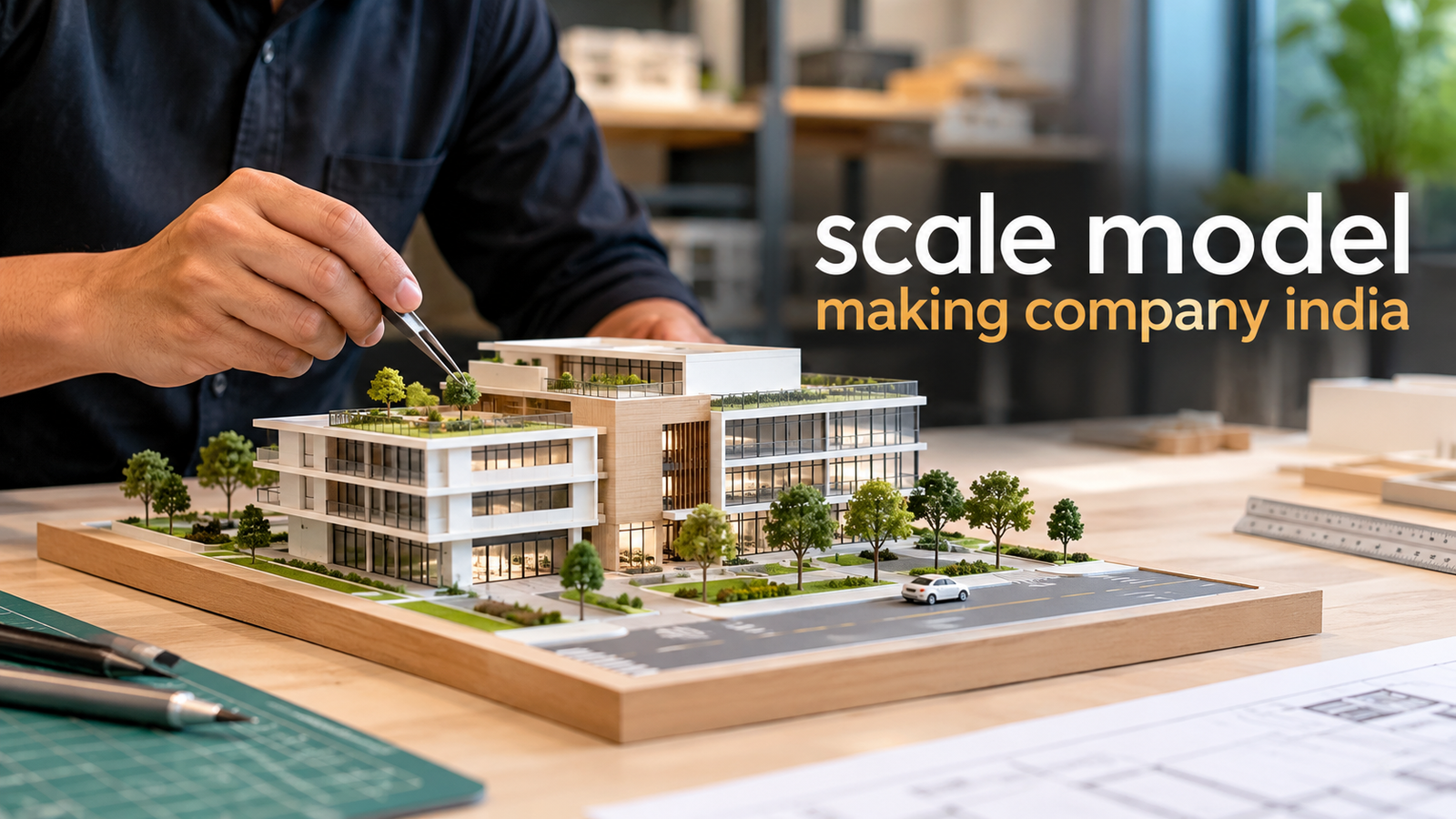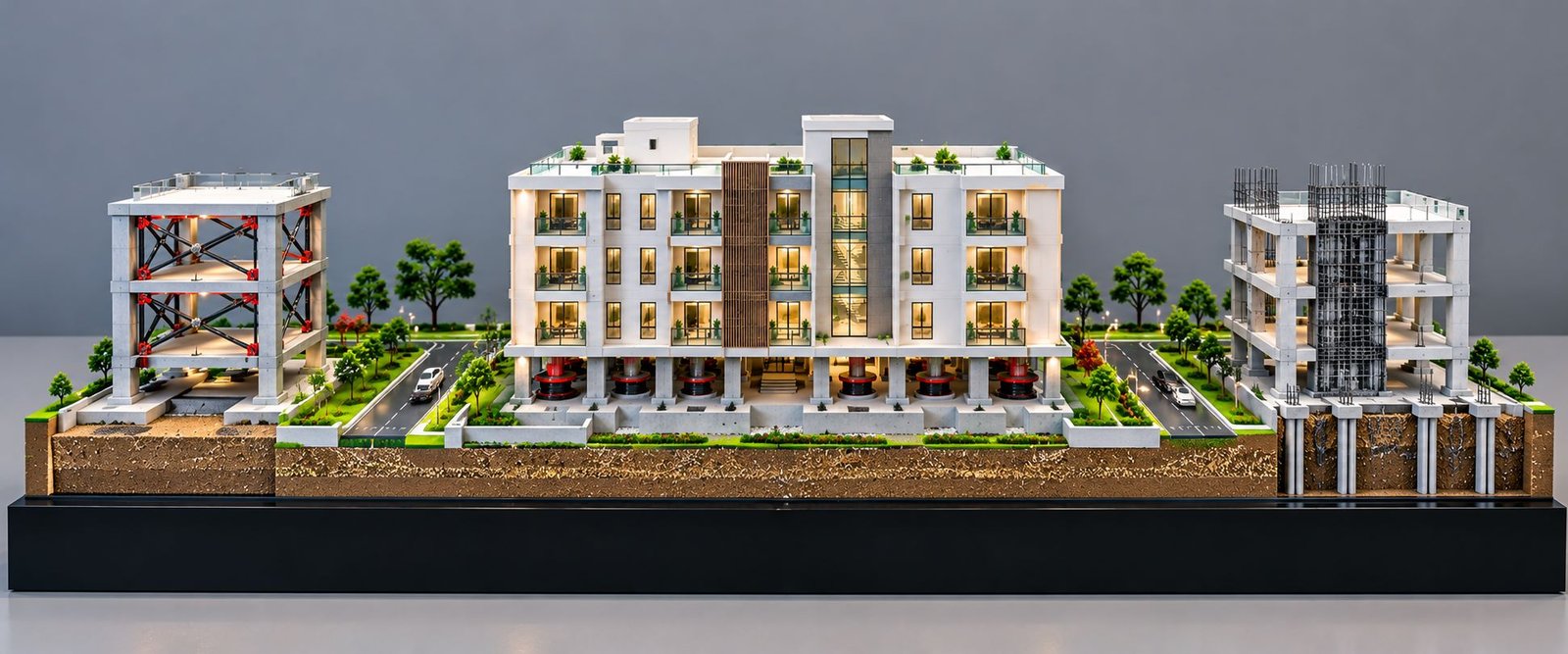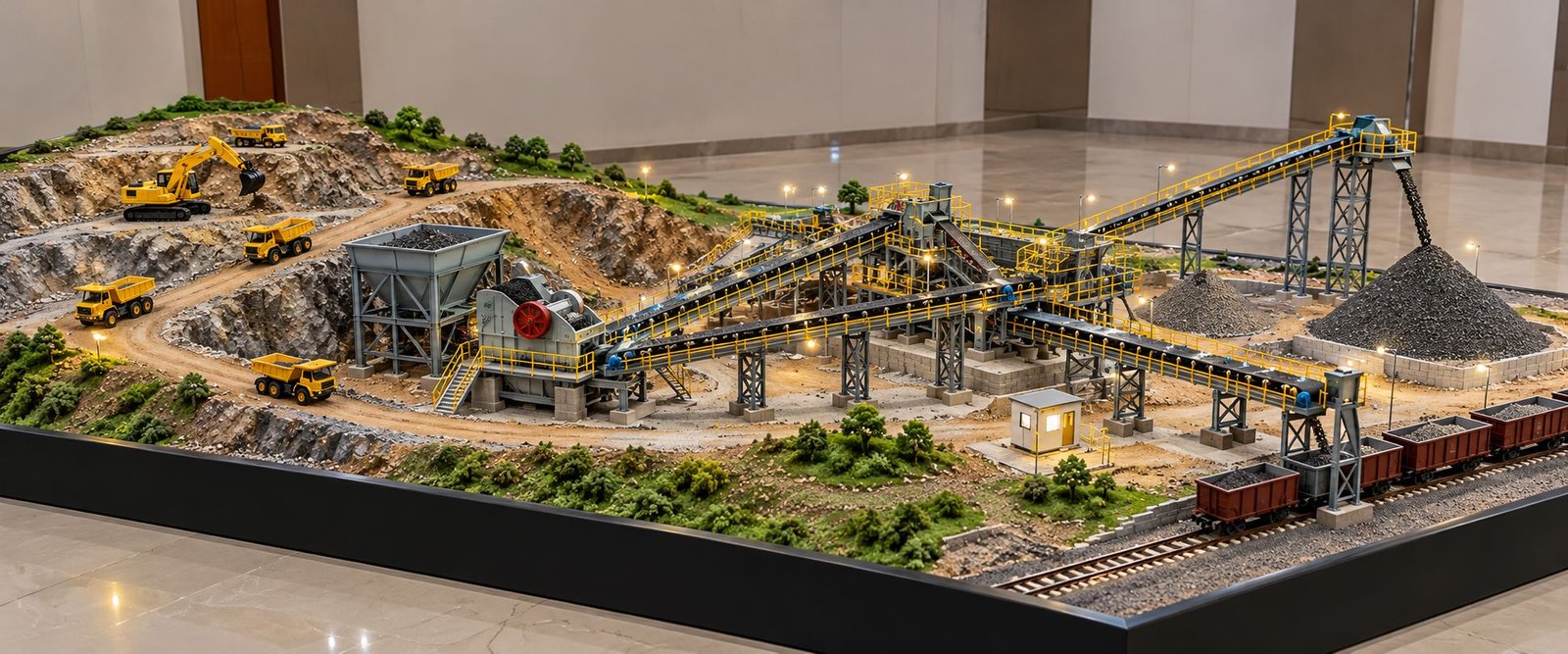
A few years ago, a developer I know walked into his sales gallery with a laminated brochure and a rendering on a tablet. Buyers nodded politely and left. A month later he came back with a physical model of the township, lit from the inside, with tiny trees and a clubhouse you could lift off to see the interior. Bookings picked up within two weeks. Stories like this are common, and they explain why so many builders, architects and factory owners now search for a scale model making company india that can turn flat drawings into something people can walk around and touch.
This guide is for anyone about to commission a model for the first time. It covers what the work involves, how to judge a workshop, what affects cost, and the mistakes that quietly eat budgets. None of it needs a design background.
Why Physical Models Still Matter in a Screen-Heavy Business
Renderings are cheap to produce and easy to share, which is exactly why buyers have stopped being impressed by them. A model is different. People lean over it, point at things, ask where the car park is and which flat gets the morning sun. Those questions are the start of a sales conversation, and they rarely happen over a PDF.
Models help inside the team too. Architects spot clashes in massing that looked fine on a screen. Plant engineers notice that a maintenance corridor is too tight. Investors who have never read a site plan understand a project in thirty seconds when it sits on a table in front of them. For approvals, exhibitions and tender presentations, a model often carries more weight than a stack of drawings.
What a Good Model Maker Actually Does
The job starts well before any cutting. A capable workshop reads your drawings, flags errors, and asks about the purpose of the model. A sales model for a luxury project needs warm lighting and fine landscaping. A planning model for a government office needs accurate contours and clear labelling. A training model for a plant needs removable parts. The craft is the same, but the decisions are different.
Next comes scale. Most township models run between 1:300 and 1:1000, individual buildings between 1:50 and 1:200, and interiors or products sometimes at 1:20 or larger. Choose badly and you end up with a model too big to ship or too small to show any detail. A good maker will suggest a scale based on where the model will sit and who will look at it, not just on what is cheapest to build.
Then there is the build itself: laser cutting, CNC work, 3D printing, hand finishing, painting, lighting and the display base. Studios that handle all of this under one roof tend to deliver cleaner results, because nobody is passing half-finished parts between vendors and blaming each other when something doesn’t fit.
Finding the Right Studio
Type scale model making company india into a search bar and you will see dozens of names, from one-person workshops to studios with fifty craftspeople. Price comparisons at that stage mean very little, because two quotes can describe two completely different products. Spend your time on proof of work instead.
Ask for photographs of finished models, ideally taken in the workshop and not just polished marketing shots. Look at the corners, the roofs and the edges of the base. Rushed work shows there first. Ask which past projects were similar to yours and how long they took. If you can, visit the workshop. You will learn more in twenty minutes on the floor than from any brochure.
Materials and Techniques That Decide the Final Look
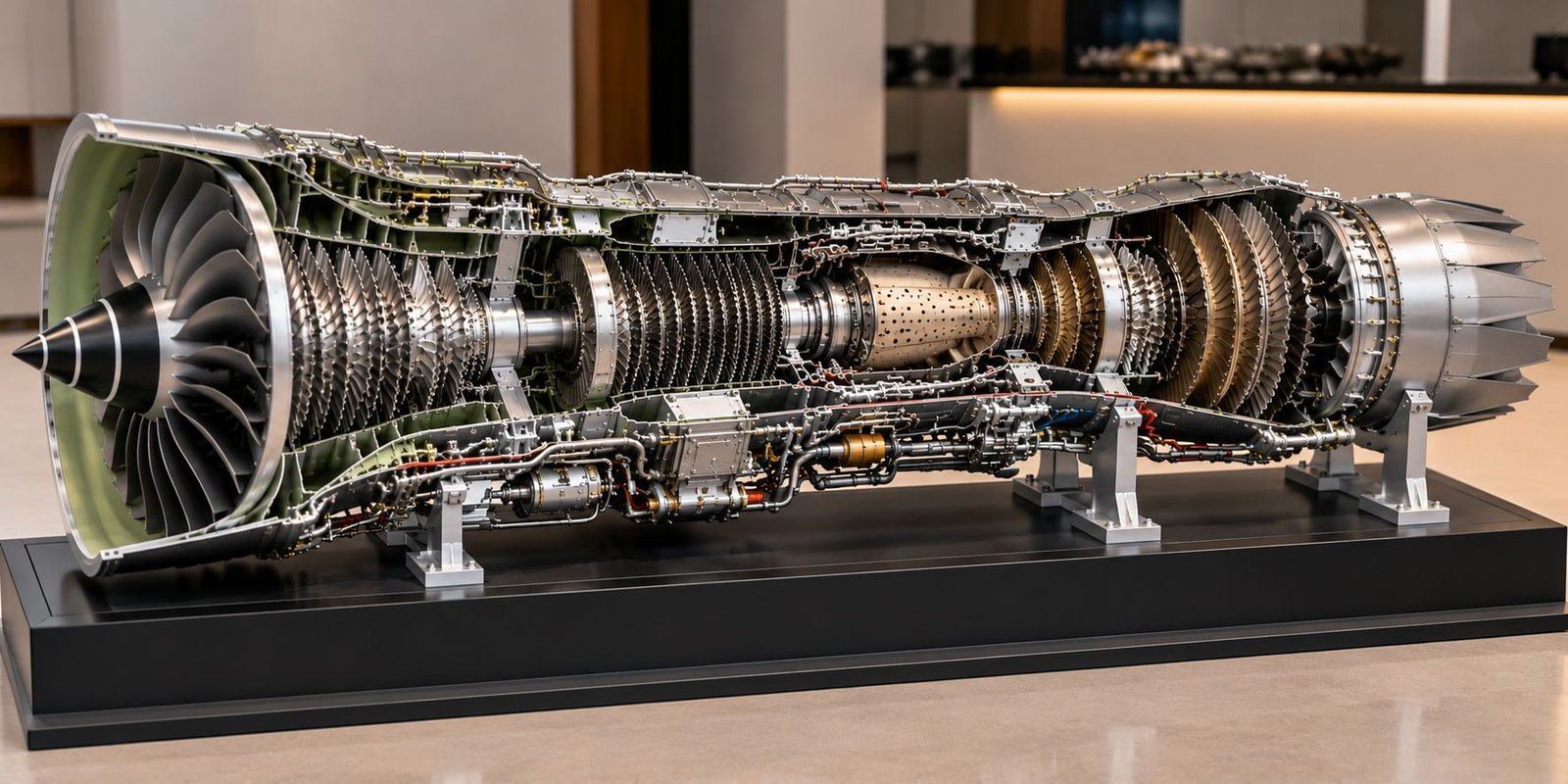
Acrylic remains the workhorse for most architectural and industrial work. It cuts cleanly, takes paint well and lets light pass through, which suits glass facades and illuminated features. Foam board and MDF form bases and basic massing. Brass and white metal show up in fine details such as railings and vehicles. Resin printing handles small, complex parts like sculptures, furniture or valve assemblies.
Finishing matters as much as material. Sanding, priming and painting take real time, and shortcuts are visible. Landscaping deserves attention too. Cheap, over-bright trees can make an expensive building look like a toy. Muted, textured greenery in believable colours gives the whole piece a calmer, more professional feel.
Lighting is the other detail that separates ordinary models from memorable ones. Think warm LEDs inside units, soft strips along roads, and separate circuits so you can switch zones on and off. Ask how the wiring is hidden and how a bulb or strip can be replaced later. Models travel to exhibitions and often come back with a dead light.
Questions to Ask Before You Sign Anything
A short list saves long arguments later. Who will actually build my model, and can I meet the team? Which file formats do you need from me? How many rounds of changes are included? What happens if the design changes halfway through? How is the model packed and shipped, and who pays if it arrives damaged? Is there a warranty on lighting and moving parts?
Pay attention to how the answers come. Clear, specific replies suggest a studio that has run into these problems before and solved them. Vague answers and big promises about delivery times are a warning sign. A realistic schedule for a mid-sized township model is usually several weeks, not several days.
Timelines, Budgets and Where Projects Go Wrong
Cost depends on size, scale, level of detail, materials, lighting and any moving or interactive elements. A simple massing model costs a fraction of a fully detailed, illuminated township with removable villas. Be honest about your budget early. A good studio will tell you what is achievable and where you can save without hurting the result.
Most problems come from late changes. Drawings get revised after the cutting has started, a tower gets an extra floor, the road layout shifts. Each change forces rework. Freeze the design before production begins, or agree in writing how revisions will be handled and charged. The second most common problem is a vague brief. “Make it look premium” means something different to every person in the room, so bring reference images.
Shipping is the quiet third. Large models often need to be built in sections, with joints planned so they disappear once assembled. Ask for a crate or custom case, and ask for a short guide on how to unpack and reassemble it. Your sales team will thank you.
Industries That Get the Most Out of Models
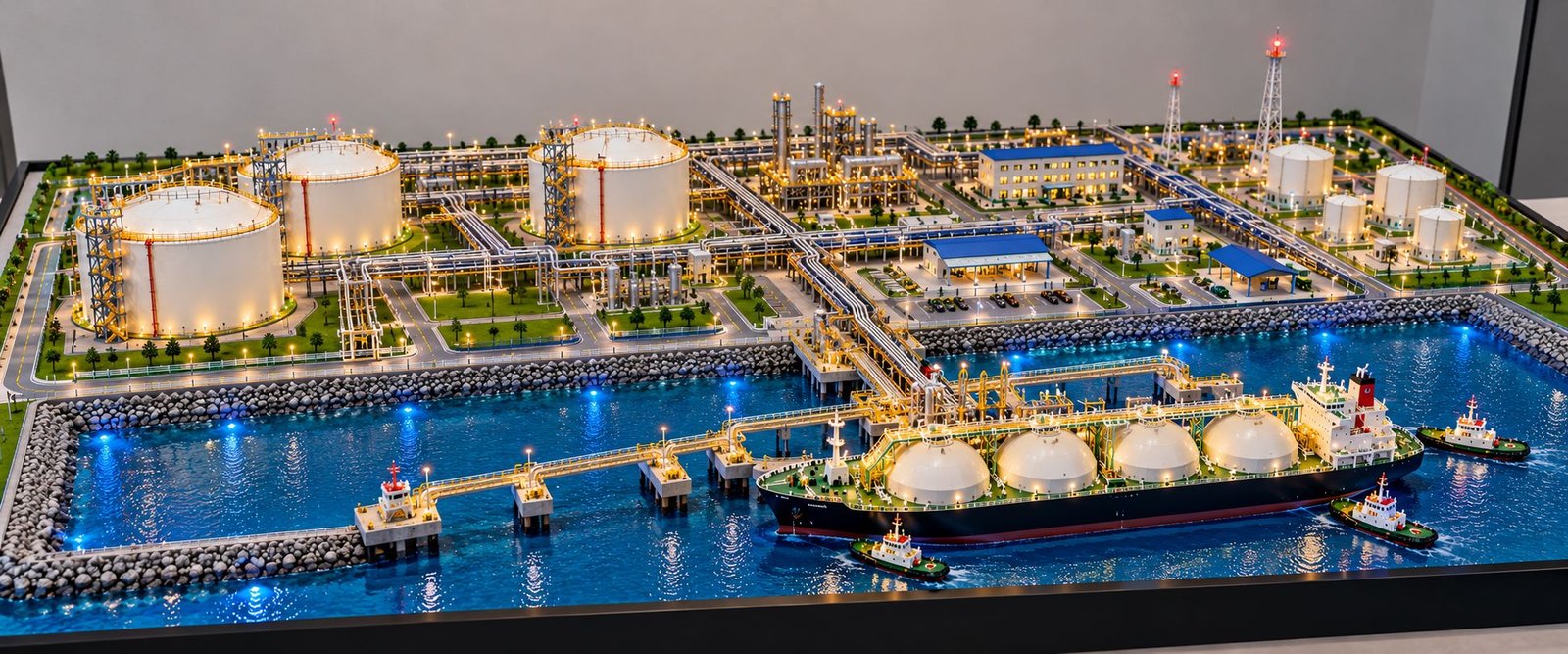
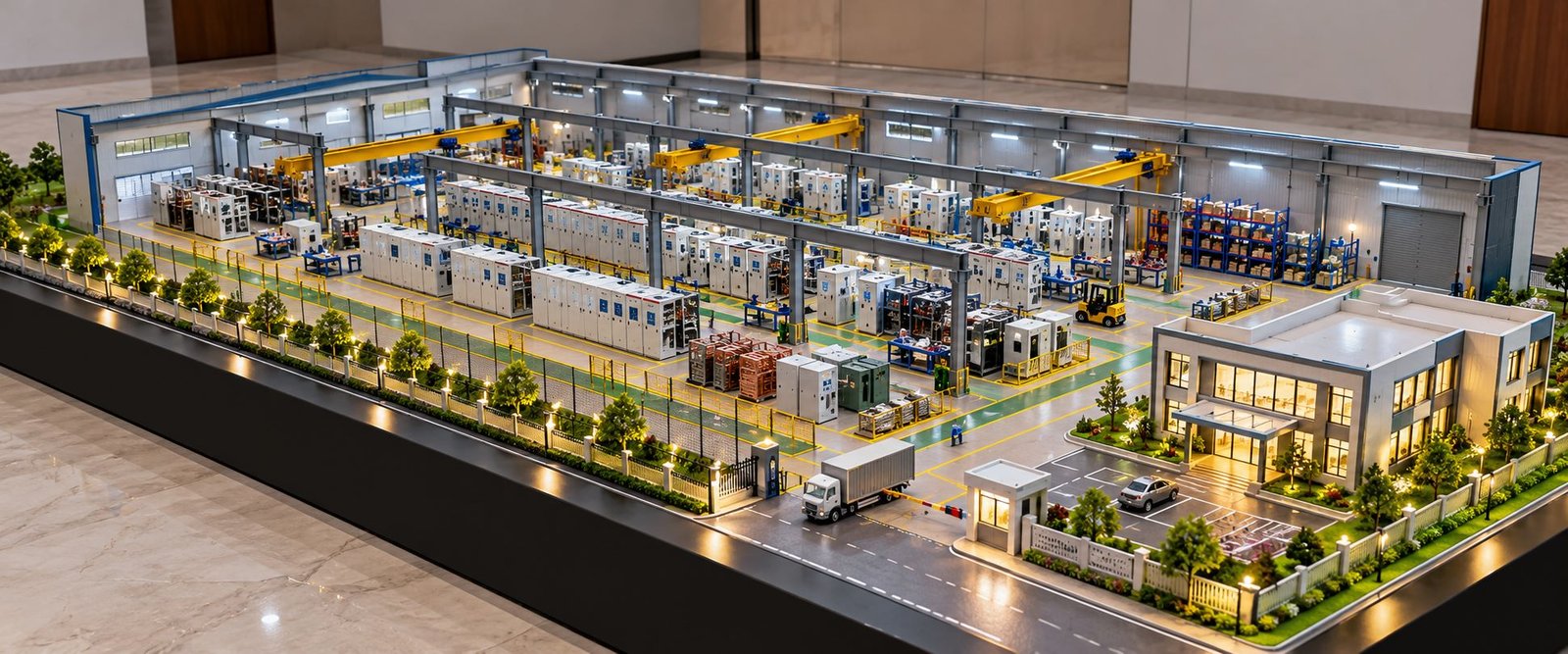
Real estate is the obvious one. Township layouts, villa communities, towers and plotted developments all sell better when buyers can see the neighbourhood. But demand has widened. Manufacturers use plant and layout models to plan equipment placement before spending money on civil work. Engineering colleges and training centres rely on working models to explain mechanisms. Ports, shipyards, infrastructure agencies and museums commission models for planning, public consultation and permanent display.
What links all these uses is communication. A model removes the need for people to imagine things, and that cuts down misunderstandings, delays and costly corrections on site.
Briefing Your Model Maker Properly
Good results begin with good information. Share the latest drawings in CAD format, along with site plans, elevations, material references and photographs of the actual location if you have them. Explain where the model will be displayed, how many people will see it at once, and what story it needs to tell.
Name one person on your side who can approve changes quickly. Projects slow down when five people give five different opinions through five different channels. Agree on checkpoints, such as a first massing review, a paint sample and a pre-delivery inspection, and put dates against them. Keep copies of every approved drawing.
Finally, be generous with feedback and specific about it. “The towers feel heavy” is useful. “Not quite right” isn’t. A model maker works best when treated as a partner who understands the project, not a vendor who simply follows instructions.
Final Thoughts
Choosing a model maker is less about finding the cheapest quote and more about finding a team that understands why the model exists. Look at real work, ask direct questions, visit the workshop if you can, and be clear about your goals. Whatever you type into the search bar, whether it is scale model making company india or something more specific, judge each studio by its finished models, its communication and its honesty about timelines. Take your time with that choice.
Done well, a model pays for itself many times over. It sells the project, aligns the team, and gives visitors something to remember long after they have left the room. Teams like Pal Design Models work on exactly this principle, reviewing drawings first and checking every piece before it ships. If your next project deserves that kind of presence, start the conversation early, share your drawings, and give your craftspeople the time they need to do it properly.