Green Hydrogen Production Plant Scale Model: Detailed Industrial Model Making for Modern Energy Projects
Introduction to Green Hydrogen Production Plant Scale Models
Green hydrogen is becoming an important part of the global transition toward cleaner energy and sustainable industrial development. As industries explore cleaner fuel alternatives, green hydrogen production facilities are attracting attention from energy companies, engineering consultants, EPC contractors, and industrial project developers. Therefore, effective project planning and clear technical presentations are becoming increasingly important.
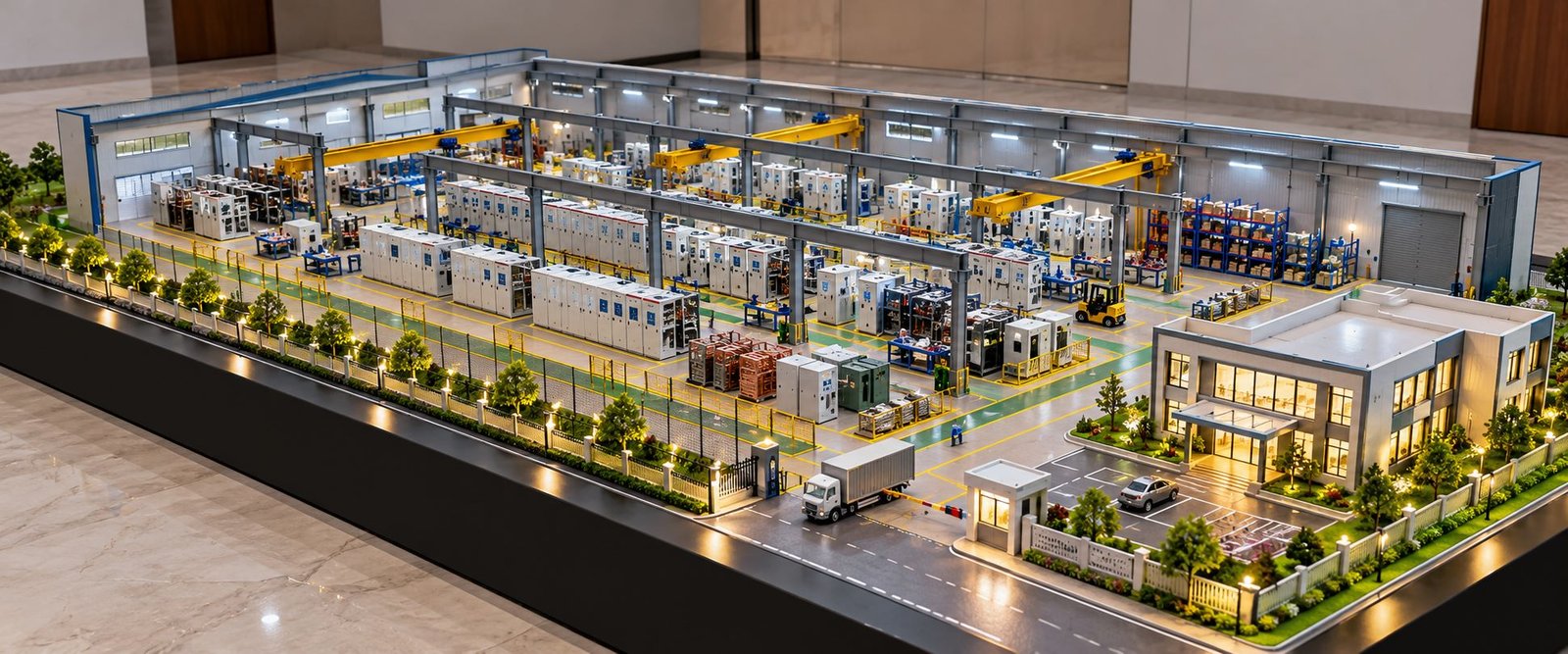
A Green Hydrogen Production Plant Scale Model provides a three-dimensional physical representation of a proposed or existing hydrogen production facility. It can showcase renewable energy systems, water treatment units, electrolyzers, hydrogen purification equipment, compressors, storage tanks, pipelines, and loading stations in one organised layout.
Unlike conventional drawings, a physical industrial scale model allows viewers to understand the spatial relationship between different equipment units. Moreover, stakeholders can examine the complete plant layout from multiple angles and understand how individual sections connect.
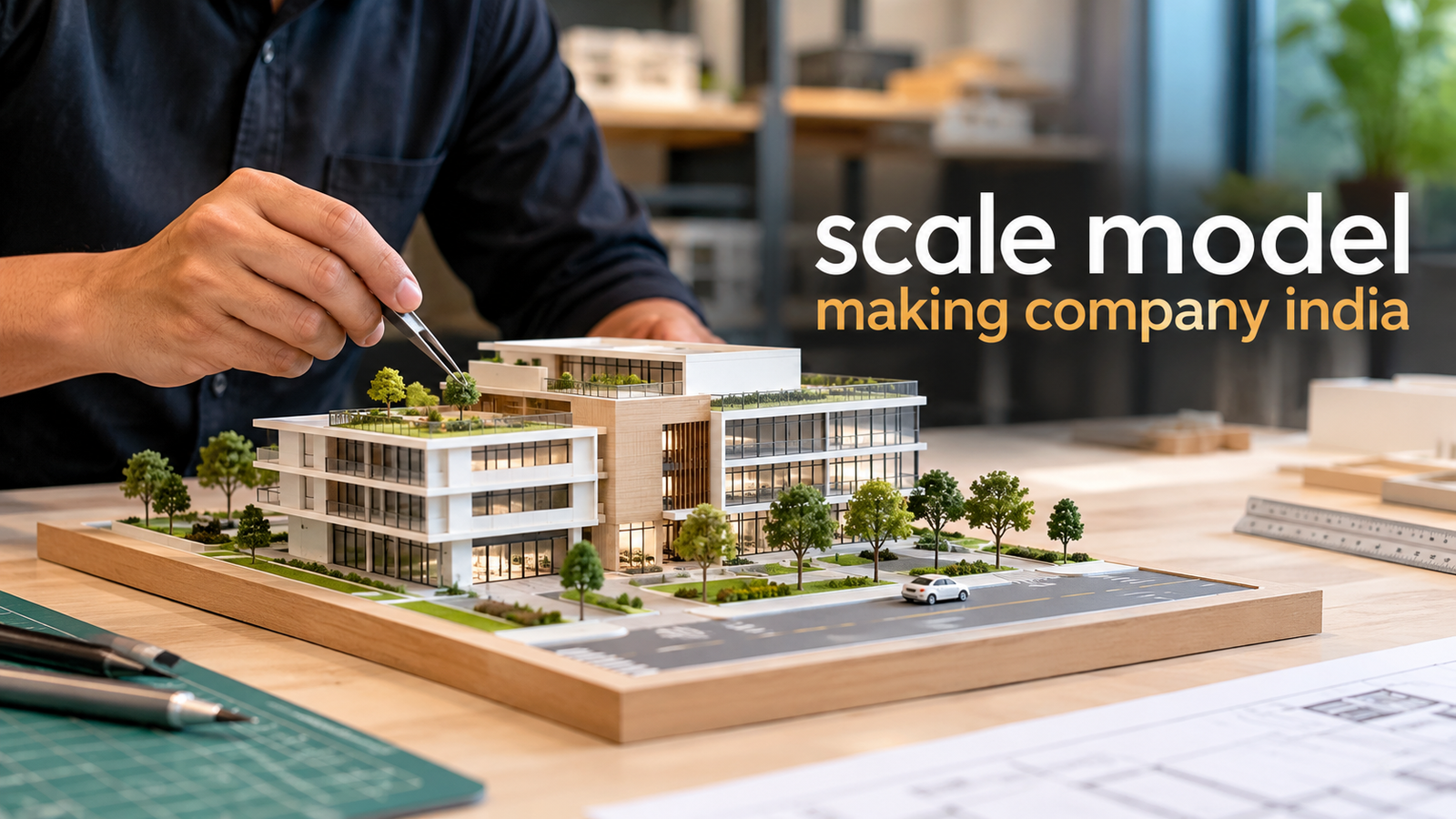
At PAL Design Models, industrial model making focuses on representing complex facilities through carefully planned layouts, realistic miniature equipment, detailed fabrication, and professional presentation. Consequently, a customised hydrogen plant model can support engineering discussions, investment presentations, exhibitions, and project planning.
What Is a Green Hydrogen Production Plant Model?
A green hydrogen production plant model is a scaled-down physical representation of a facility that produces hydrogen using renewable electricity. Typically, the process uses electricity from solar power, wind power, or other qualifying renewable sources to operate an electrolyzer, which separates water into hydrogen and oxygen.
However, the production facility involves more than an electrolyzer alone. It also requires suitable water treatment, electrical infrastructure, gas handling, purification, compression, storage, and distribution systems.
A detailed green hydrogen plant scale model represents these components according to the project’s engineering drawings and design requirements. As a result, stakeholders can understand the facility’s main functional areas without studying multiple technical drawings separately.
Purpose of a Green Hydrogen Scale Model
The primary purpose of an industrial scale model is to communicate the engineering concept through a realistic three-dimensional presentation.
For example, a model can illustrate how renewable electricity reaches the electrolyzer, how treated water enters the production system, and how hydrogen moves through purification and compression before reaching the storage or dispatch area.
In addition, the model can demonstrate:
- Overall plant layout and equipment positioning.
- Renewable power generation and electrical distribution.
- Water treatment and electrolysis infrastructure.
- Hydrogen purification, compression, and storage.
- Process piping, cable trays, and utility connections.
- Internal roads, maintenance access, and site boundaries.
- Proposed plant expansion and supporting infrastructure.
Physical Model Versus Engineering Drawings
Engineering drawings provide detailed dimensions, specifications, and construction information. In contrast, a physical scale model helps viewers understand the complete facility through a single three-dimensional representation.
Furthermore, the model can complement CAD drawings, digital presentations, process diagrams, and technical reports during project meetings.
Nevertheless, a scale model does not replace detailed engineering calculations, process validation, or professional safety assessments.
Major Components of a Green Hydrogen Production Plant Scale Model
A professional hydrogen production plant model should represent the major process units and supporting infrastructure. The exact configuration depends on the plant capacity, selected technology, site conditions, and available engineering information.
Renewable Energy Generation System
Renewable electricity provides the energy required for green hydrogen production. Depending on the project, the plant may use solar photovoltaic panels, wind turbines, or a combination of renewable energy sources.
Solar Power Plant Model
The solar section can feature miniature photovoltaic panels arranged in neat rows. Additionally, small mounting structures, panel frames, electrical connections, and maintenance pathways create a realistic appearance.
The solar installation can occupy a separate section of the baseboard to distinguish power generation from hydrogen processing. Consequently, viewers can understand the renewable energy arrangement more easily.
Wind Power Generation Model
Miniature wind turbines can represent wind-based electricity generation. Each turbine may include a tower, blades, foundation, and supporting details.
Similarly, when the project uses both solar and wind energy, the model can display the two systems together. This arrangement helps communicate the concept of a hybrid renewable energy system.
Electrical Substation and Power Distribution
The electrical substation connects the power supply to the plant’s equipment. A detailed model may include transformers, switchgear, electrical enclosures, cable routes, and protective fencing.
Moreover, miniature cable trays and support structures can illustrate how electricity reaches the electrolyzer units and other plant utilities.
The substation should follow the reference layout so that the model reflects the intended engineering arrangement. In addition, clear identification labels can distinguish electrical equipment from the surrounding process units.
Water Treatment and Purification Plant
Water treatment is an essential part of hydrogen production because electrolyzers require water of a suitable quality. Therefore, the plant layout should clearly identify the water treatment section.
This area may include filtration units, purification vessels, pumps, storage tanks, treatment skids, and connecting pipelines.
Water Storage and Distribution
Miniature tanks and pipes can illustrate the movement of treated water toward the electrolysis section. Furthermore, small valves, equipment supports, and access platforms can improve the level of detail.
The final arrangement should reflect the selected process design rather than an arbitrary decorative layout. As a result, the model will provide a more accurate representation of the facility.
Electrolyzer Unit
The electrolyzer is one of the most important components of a green hydrogen production facility. It uses electricity to split water into hydrogen and oxygen.
A detailed physical model can represent electrolyzer modules through equipment skids, rectangular enclosures, stacked cell assemblies, piping connections, structural supports, and maintenance platforms.
Types of Electrolyzer Technology
Common electrolyzer technologies include alkaline water electrolysis, proton exchange membrane (PEM) electrolysis, and solid oxide electrolysis.
Each technology has different operating characteristics and equipment requirements. Therefore, the model should reflect the technology selected for the project.
For instance, a large industrial facility may use several electrolyzer modules arranged in parallel. This arrangement can communicate the modular nature of the production system.
Hydrogen and Oxygen Separation System
After electrolysis, the process requires suitable equipment to separate and manage the produced gases.
The model may include gas separator vessels, connecting pipelines, valves, process skids, and supporting structures. Additionally, clear labels and consistent colour coding can help viewers distinguish the hydrogen and oxygen routes.
The equipment arrangement should follow the project’s process configuration because each component performs a specific function. Consequently, the model can communicate the plant’s process concept more effectively.
Hydrogen Purification Unit
The purification section removes impurities and helps achieve the hydrogen quality required for its intended application.
A detailed model can feature purification skids, vertical vessels, filtration equipment, instrument connections, and pipework. Furthermore, access platforms and equipment supports can make the miniature installation look more realistic.
The purification unit should occupy a logical position between the gas processing section and downstream compression or storage equipment. This arrangement also makes the overall process easier to understand.
Hydrogen Compression System
Hydrogen compression increases gas pressure to meet the requirements of storage, transportation, or downstream applications.
A miniature compression area may include compressor packages, motors, pressure vessels, cooling equipment, and connecting pipes.
Moreover, realistic foundations, protective barriers, cable routes, and maintenance clearances can improve the technical presentation. These details also help distinguish the compression area from the neighbouring equipment sections.
Hydrogen Storage Tanks
Hydrogen storage systems hold the produced gas before further use or distribution. Depending on the project, the facility may use appropriate compressed-gas vessels or other engineered storage arrangements.
The model can include multiple storage tanks, connecting manifolds, support structures, valves, and clearly marked equipment zones.
Storage Area Detailing
The storage arrangement should follow the project’s approved engineering layout. In addition, the model can include access roads, protective structures, and equipment identification labels where appropriate.
Actual storage design and safety distances must be established by qualified engineers. Therefore, the model should represent the approved design rather than independently establish safety compliance.
Hydrogen Loading and Dispatch Station
The loading station represents the transfer of hydrogen to suitable transportation or distribution systems.
Depending on the project, this section may feature loading bays, transport trailers, connection points, access roads, and protective barriers.
Furthermore, miniature tanker vehicles and loading canopies can help communicate how the facility handles hydrogen dispatch. As a result, the model can illustrate the connection between production, storage, and transportation.
Cooling Water and Utility Systems
Industrial hydrogen plants require supporting utility infrastructure. Depending on the process, this may include cooling equipment, water circulation systems, electrical rooms, compressed air facilities, and drainage networks.
A detailed model can represent these systems using pumps, pipes, utility buildings, cooling equipment, and designated service areas. Consequently, the presentation shows more than the main production equipment alone.
Industrial Plant Layout and Engineering Coordination
The overall layout strongly influences the quality of a Green Hydrogen Production Plant Scale Model. Even realistic miniature equipment may fail to communicate the project accurately if its positioning does not match the intended engineering arrangement.
Equipment Placement and Process Flow
The layout should communicate the relationship between renewable electricity generation, water treatment, electrolysis, gas purification, compression, storage, and dispatch.
However, every facility has different requirements. Some projects may locate renewable energy generation outside the main plant boundary, while others may use nearby dedicated solar or wind installations.
Pipeline Routing and Cable Trays
Pipelines and cable trays add important technical details to an industrial scale model. Thin pipes, miniature fittings, support structures, and organised cable routes can represent connections between major equipment units.
Additionally, appropriate spacing between the miniature components helps viewers follow the plant layout without visual confusion. Clear routing also improves the overall presentation.
Access Roads and Maintenance Areas
Internal roads, vehicle turning areas, walkways, maintenance routes, and service access points contribute to a realistic industrial presentation.
For example, miniature road markings, kerbs, barriers, and pedestrian pathways can show how vehicles and personnel access different sections of the plant.
Moreover, carefully planned access routes can help stakeholders understand the proposed site organisation.
Safety and Site Infrastructure
A hydrogen plant model may include site fencing, access gates, emergency access routes, designated equipment areas, and suitable safety-related signage.
Nevertheless, actual hazardous-area classifications, ventilation requirements, safety distances, and equipment placement must follow the applicable engineering design and professional safety assessments.
How a Green Hydrogen Production Plant Scale Model Is Made
Professional industrial model making combines engineering information, material selection, precision fabrication, assembly, finishing, and quality checks. Each stage contributes to the model’s accuracy and presentation quality.
Understanding Project Drawings and Requirements
The process begins with reviewing plant layouts, equipment drawings, CAD files, reference photographs, and project specifications.
The model-making team identifies the major equipment, site boundaries, infrastructure, process relationships, and required level of detailing.
Moreover, the team confirms missing dimensions or unclear references with the client before fabrication begins. This helps reduce avoidable changes during production.
Scale Selection and Site Planning
The scale depends on the actual facility dimensions, available display space, equipment complexity, and presentation purpose.
For example, a large industrial campus may require a smaller scale to fit the complete site onto a practical baseboard. Conversely, a model of a specific electrolyzer installation may use a larger scale to show individual components clearly.
The chosen scale should maintain consistent proportions while keeping important equipment visible. Therefore, the model maker must balance the overall dimensions with the required detailing.
Three-Dimensional Design and Component Fabrication
CAD drawings and three-dimensional references can help prepare the model layout and individual components.
Depending on their shape and size, the team may use acrylic, PVC sheets, engineering plastics, resin, metal parts, laser-cut elements, and 3D-printed components.
Custom fabrication is particularly useful for electrolyzer enclosures, compressors, process skids, tanks, pipe supports, and specialised equipment. In addition, these techniques help create components that match the project’s design more closely.
Assembly and Detailed Finishing
After fabrication, the team assembles the components on the baseboard according to the approved layout.
Fine detailing may include handrails, ladders, platforms, structural frames, miniature valves, cable trays, pipe supports, electrical equipment, access roads, and identification labels.
Furthermore, consistent alignment, neat finishing, and realistic colour schemes help create a professional industrial presentation.
Lighting and Presentation
LED lighting can highlight selected process areas, buildings, pathways, and equipment. However, the lighting should improve visibility rather than distract from the engineering details.
Optional features include illuminated labels, a presentation podium, a protective acrylic or glass enclosure, and a customised nameplate.
Finally, wide-angle photography can show the complete facility and highlight the relationship between the different process sections.
Materials Used for Industrial Hydrogen Plant Models
Material selection depends on component dimensions, shape, finish, durability, and the required level of detail.
Acrylic and Transparent Materials
Acrylic works well for protective covers, windows, transparent display elements, and selected enclosures. Additionally, a suitable protective cover can reduce dust accumulation and protect delicate miniature components.
PVC Sheets and Engineering Plastics
PVC sheets and other suitable plastics can form equipment housings, platforms, buildings, tanks, and structural details.
These materials support custom fabrication and allow the team to create clean, consistent finishes. Moreover, they can be combined with other materials to represent different industrial components.
3D Printing and Laser Cutting
3D printing can produce complex components, specialised machinery, equipment housings, and intricate miniature parts.
Similarly, laser cutting supports accurate fabrication of flat components, panels, support elements, building sections, and labels.
Combining these technologies with manual fabrication can improve the representation of a complex industrial facility.
Metal Components and Structural Detailing
Selected metal components can represent support frames, railings, platforms, and structural elements where the project requires additional strength or a particular finish.
The team should select each material according to the component’s scale, weight, and presentation requirements. Consequently, the finished model can maintain both visual consistency and practical durability.
Applications of Green Hydrogen Plant Scale Models
A detailed physical model can support several stages of an industrial project, from early planning to client presentations and public exhibitions.
EPC Contractor Presentations
EPC contractors can use scale models to present proposed plant arrangements, major equipment, utility systems, and infrastructure to clients.
Furthermore, the model provides a shared visual reference during engineering discussions and design reviews. As a result, stakeholders can discuss the proposed facility more clearly.
Investor and Project Developer Meetings
Investors and project developers often need a clear overview of the facility’s main process areas, renewable energy integration, storage infrastructure, and expansion possibilities.
A physical presentation model complements technical reports, financial presentations, and project proposals. Moreover, it can help communicate the project’s overall concept to audiences without specialised engineering knowledge.
Industrial Exhibitions and Trade Shows
Green hydrogen projects are relevant to clean energy exhibitions, industrial technology events, and engineering trade shows.
A professionally finished model can become a focal point at an exhibition stand. In addition, it can help visitors understand the project’s main features without studying complex technical drawings.
Engineering and Technical Training
Educational institutions, training centres, and technical organisations may use demonstration models to explain hydrogen production systems and plant infrastructure.
Where appropriate, simplified working features and labelled process-flow elements can make the presentation more informative. However, the model’s complexity should match the learning objectives.
Project Planning and Design Communication
A model can support discussions about equipment placement, access routes, utility distribution, and site organisation.
Nevertheless, the model provides the greatest value when the team coordinates it with current engineering drawings and clearly defines its intended purpose.
Features of a Professional Green Hydrogen Plant Model
A high-quality model balances technical accuracy, visual clarity, and durability.
Important features may include:
- A wide rectangular baseboard with a professional finish.
- Accurately proportioned industrial equipment.
- Solar panels and wind turbines where required.
- Detailed electrolyzer modules and process skids.
- Hydrogen purification, compression, and storage sections.
- Realistic pipelines, support structures, and access platforms.
- Clearly identified process areas and equipment labels.
- Internal roads, site boundaries, and maintenance access.
- Optional LED lighting and a protective display enclosure.
- A presentation layout suitable for technical meetings and exhibitions.
Additionally, the team should select features according to the actual project rather than include decorative elements that do not serve a clear purpose.
Benefits of Custom Industrial Model Making
Better Visual Understanding
A three-dimensional model helps viewers understand the spatial relationship between equipment, buildings, and infrastructure. Consequently, stakeholders can discuss the overall layout using a common visual reference.
Improved Project Communication
The model supports communication between clients, engineers, project managers, investors, and other stakeholders.
Moreover, it can complement technical drawings during project reviews and presentations. This approach helps communicate complex industrial arrangements more effectively.
Professional Project Presentation
A well-finished physical model can strengthen the presentation of a proposed hydrogen facility at investor meetings, engineering reviews, and industrial exhibitions.
In addition, customised labels, lighting, and miniature equipment can make the model easier to follow.
Customisation for Project Requirements
Every plant has its own capacity, technology, equipment arrangement, and site conditions. Therefore, custom industrial model making allows the physical representation to reflect the project’s specific requirements.
Long-Term Display and Reference
A durable model with a suitable baseboard and protective enclosure can support repeated presentations, exhibitions, training sessions, and internal project communication.
Furthermore, the model can remain a useful visual reference throughout the project’s presentation lifecycle.
Choosing an Industrial Model Making Company
Selecting an experienced industrial model making company is important when a project involves complex equipment, detailed piping, multiple process areas, and a large physical layout.
Engineering Drawing Interpretation
The company should understand engineering drawings, CAD layouts, reference images, and three-dimensional files where available.
Fabrication and Detailing Capability
Review examples of industrial models featuring machinery, tanks, piping, electrical systems, structural components, and detailed baseboards.
Furthermore, photographs from multiple angles can help you evaluate the level of fabrication and finishing.
Customisation and Finishing
Confirm whether the model maker can customise the layout, equipment, labels, colours, lighting, and display features.
Additionally, discuss the expected level of detail before production begins so that both parties share the same expectations.
Presentation Quality
A professional model should have consistent proportions, clean assembly, realistic detailing, and a well-finished baseboard.
Project Coordination
Before fabrication begins, confirm the drawings, scale, dimensions, required features, delivery schedule, and approval process. Consequently, the project can proceed with a clearer understanding of the final deliverable.
Green Hydrogen Plant Scale Model Making by PAL Design Models
PAL Design Models provides physical scale model making for architectural, industrial, engineering, and specialised project presentation requirements.
For a green hydrogen production facility, the team can plan a customised model around the available engineering drawings, equipment references, site dimensions, and presentation objectives.
Depending on the approved design, the model may include renewable power generation, water treatment equipment, electrolyzer units, hydrogen purification systems, compressors, storage vessels, piping networks, electrical infrastructure, loading areas, and internal roads.
Additionally, the presentation can incorporate miniature structural details, identification labels, lighting, a finished baseboard, and an optional protective cover.
Every project has different technical and presentation requirements. Therefore, the final scope, scale, materials, and level of detailing should be confirmed before fabrication.
To discuss a customised industrial scale model, visit the PAL Design Models website: https://paldesignmodels.com
Frequently Asked Questions
What is a Green Hydrogen Production Plant Scale Model?
A Green Hydrogen Production Plant Scale Model is a physical miniature representation of a facility that produces hydrogen using renewable electricity. It may include electrolyzers, water treatment units, purification equipment, storage tanks, compressors, renewable energy systems, and supporting infrastructure.
What components can be included in a hydrogen plant model?
Depending on the project, the model can include solar panels, wind turbines, substations, water treatment systems, electrolyzer skids, gas separation units, purification equipment, compressors, hydrogen storage vessels, loading stations, pipelines, and access roads.
Can a green hydrogen plant model be customised?
Yes. A custom model can use project drawings, CAD files, equipment references, site layouts, and presentation requirements. The team can select the scale, dimensions, materials, labels, and lighting according to the intended use.
Which materials are suitable for hydrogen plant scale models?
Suitable materials may include acrylic, PVC sheets, engineering plastics, resin, metal components, and 3D-printed parts. The choice depends on the component design, scale, desired finish, and durability requirements.
Can LED lighting be added to an industrial hydrogen model?
Yes. LED lighting can highlight selected equipment, buildings, pathways, and process areas. Therefore, the lighting arrangement should improve visibility and complement the engineering presentation.
How is the scale of a hydrogen plant model decided?
The scale depends on the facility’s dimensions, available display space, equipment detail, and presentation purpose. For example, a large plant may require a smaller scale to fit the complete layout onto a practical baseboard.
Who can use a green hydrogen production plant model?
EPC contractors, renewable energy developers, engineering consultants, industrial manufacturers, project investors, educational institutions, and exhibition organisers may use these models for project communication and presentations.
Is a physical scale model a replacement for engineering drawings?
No. A physical model complements engineering drawings, specifications, and digital design files. Detailed engineering, process validation, and safety assessments require appropriate technical documentation and qualified professionals.
Final Thoughts
Green hydrogen production is an important area of industrial development, and presenting these projects clearly is essential for effective technical communication. A Green Hydrogen Production Plant Scale Model transforms a complex industrial facility into a detailed three-dimensional physical representation.
From renewable energy generation and water treatment to electrolysis, gas purification, compression, storage, and dispatch, every section contributes to the overall presentation. Therefore, accurate equipment placement, realistic fabrication, detailed piping, structural components, professional finishing, and clear labelling help create a model that reflects the intended project design.
For EPC contractors, engineering consultants, renewable energy developers, and industrial project teams, a customised physical scale model can complement technical drawings and digital presentations during project reviews, investment discussions, and exhibitions.
PAL Design Models can develop a model concept based on the project’s specific requirements and available engineering references. Ultimately, the objective is to create a well-detailed, professionally finished physical model that communicates the facility’s layout, equipment, and infrastructure clearly.
As clean energy technologies continue to develop, detailed industrial scale models can remain a useful medium for presenting complex engineering projects in a practical and visually understandable format.