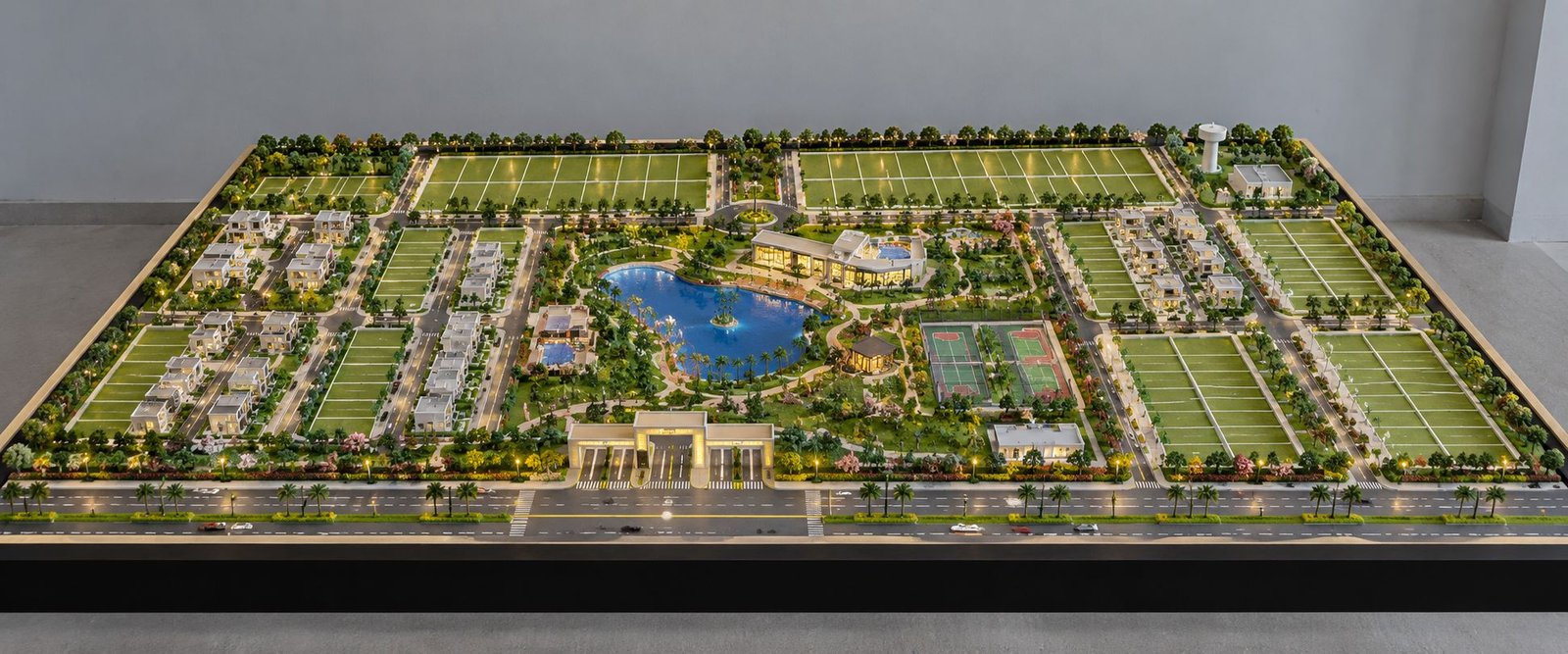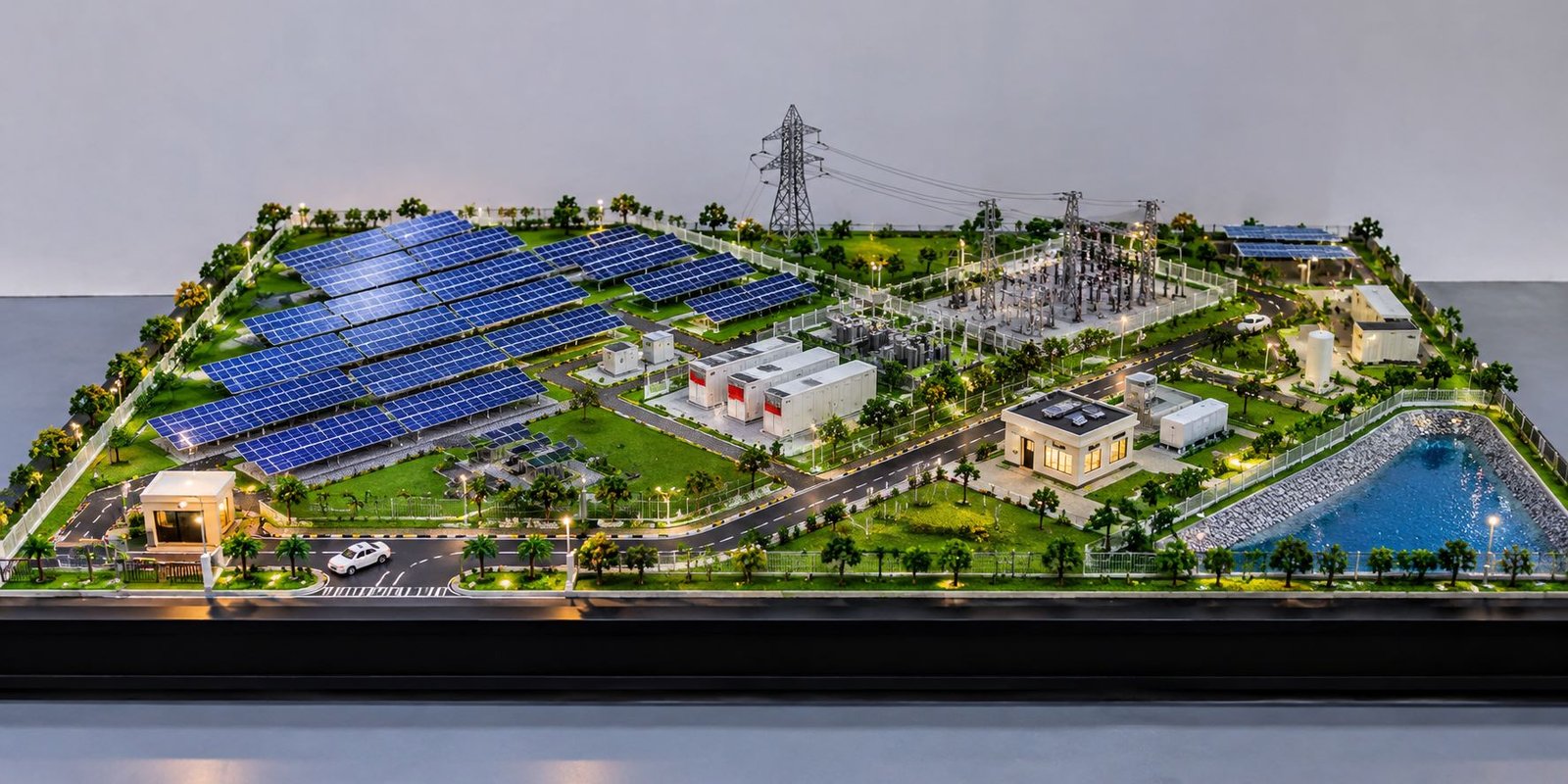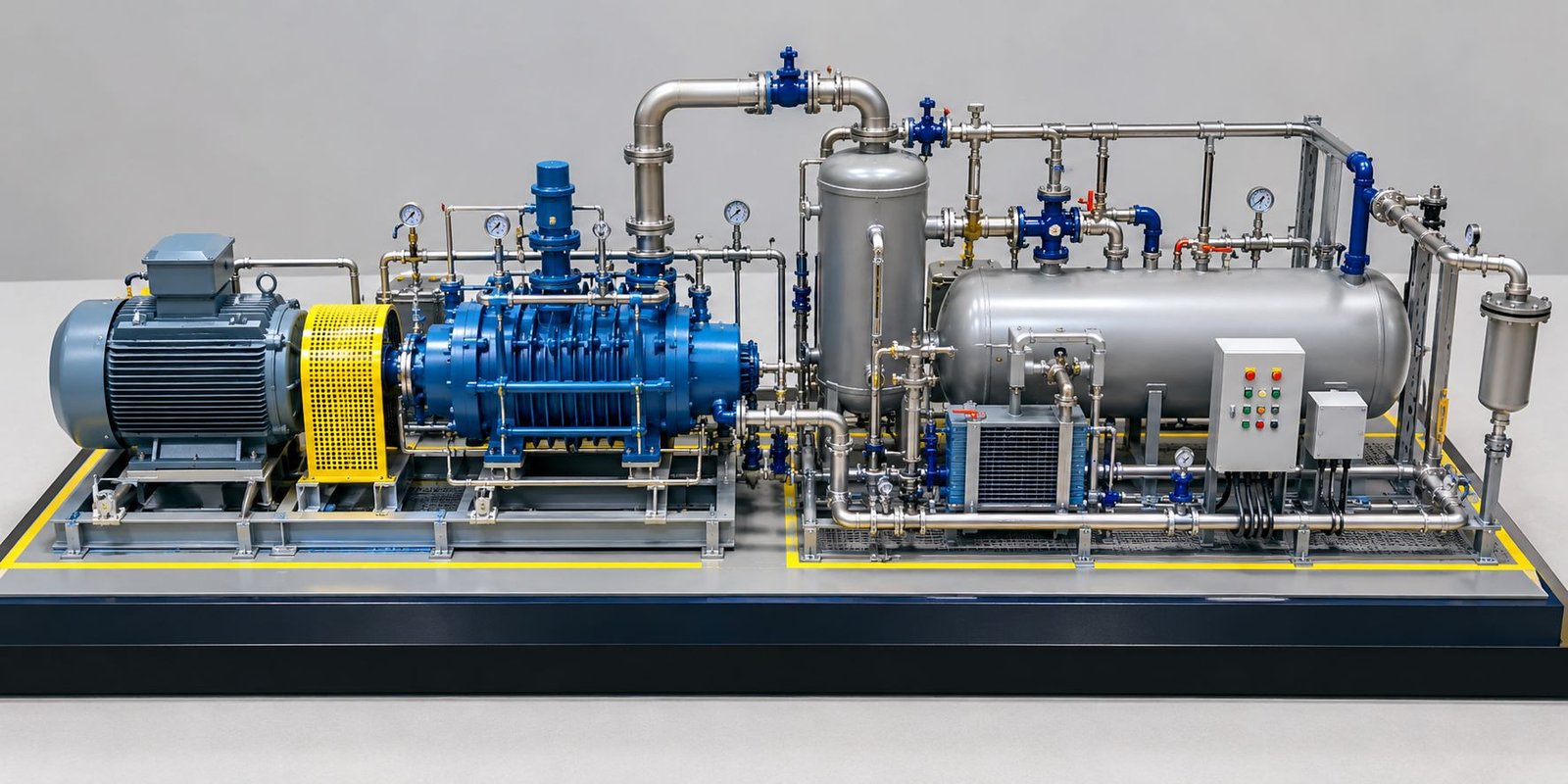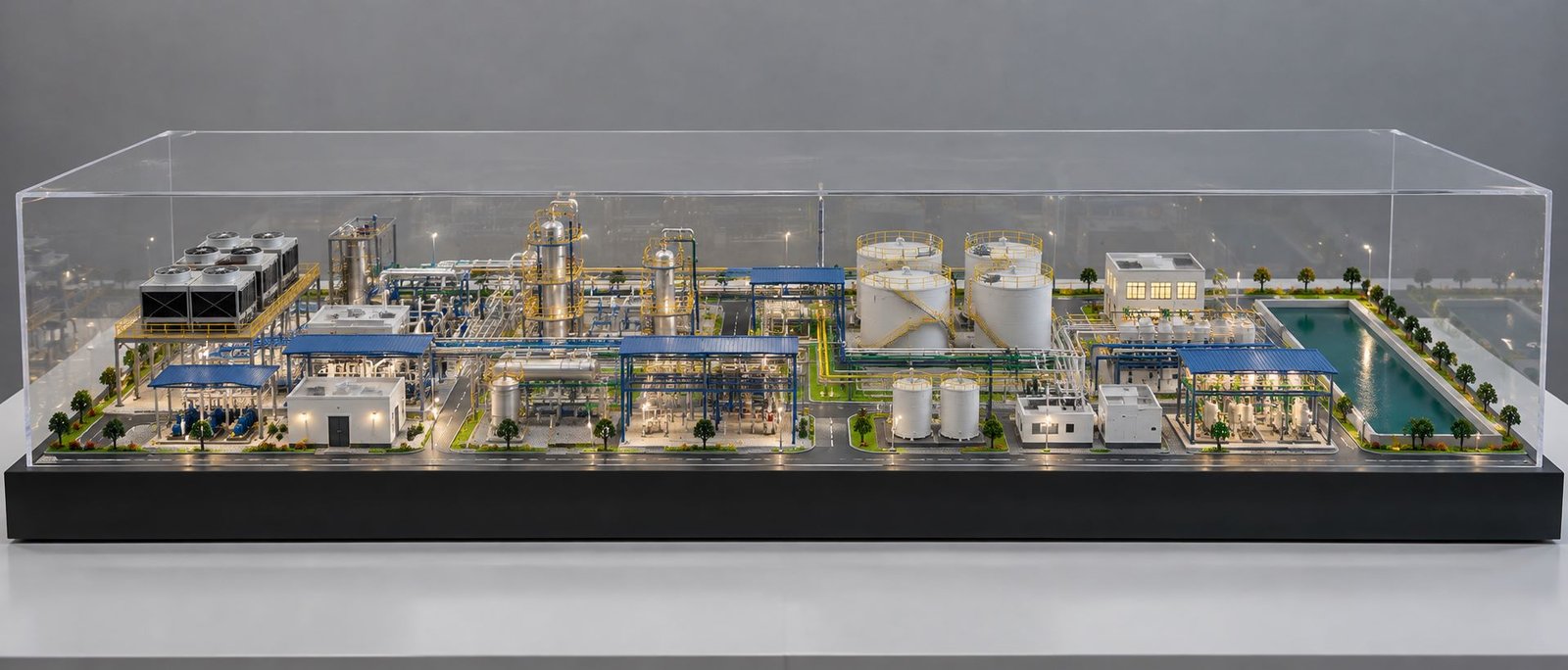
Walk into any serious engineering firm and you’ll often find a physical model sitting near the reception desk or on the boardroom table. That’s not nostalgia. Even with powerful CAD software and photorealistic renders available at the click of a button, an industrial scale model does something a screen simply can’t replicate. It lets people walk around a project, view it from angles nobody planned for, and catch problems that flat renders tend to hide. For architects, plant engineers, and investors alike, holding a scaled-down version of a factory or refinery changes how quickly decisions get made.
What a Scale Model Actually Does on a Project
At its core, a scale model is a miniature, accurate replica of machinery, pipelines, or an entire structural layout, built to a fixed ratio so every proportion stays true to the real thing. Engineers use these models to spot clashes between equipment before a single foundation is poured. Sales teams use them in tenders and exhibitions because a physical object simply holds attention longer than a slide deck. Building an industrial scale model early in a project often surfaces layout issues that would otherwise show up mid-construction, when fixing them costs far more time and money.
Where Plant Models Come Into the Picture
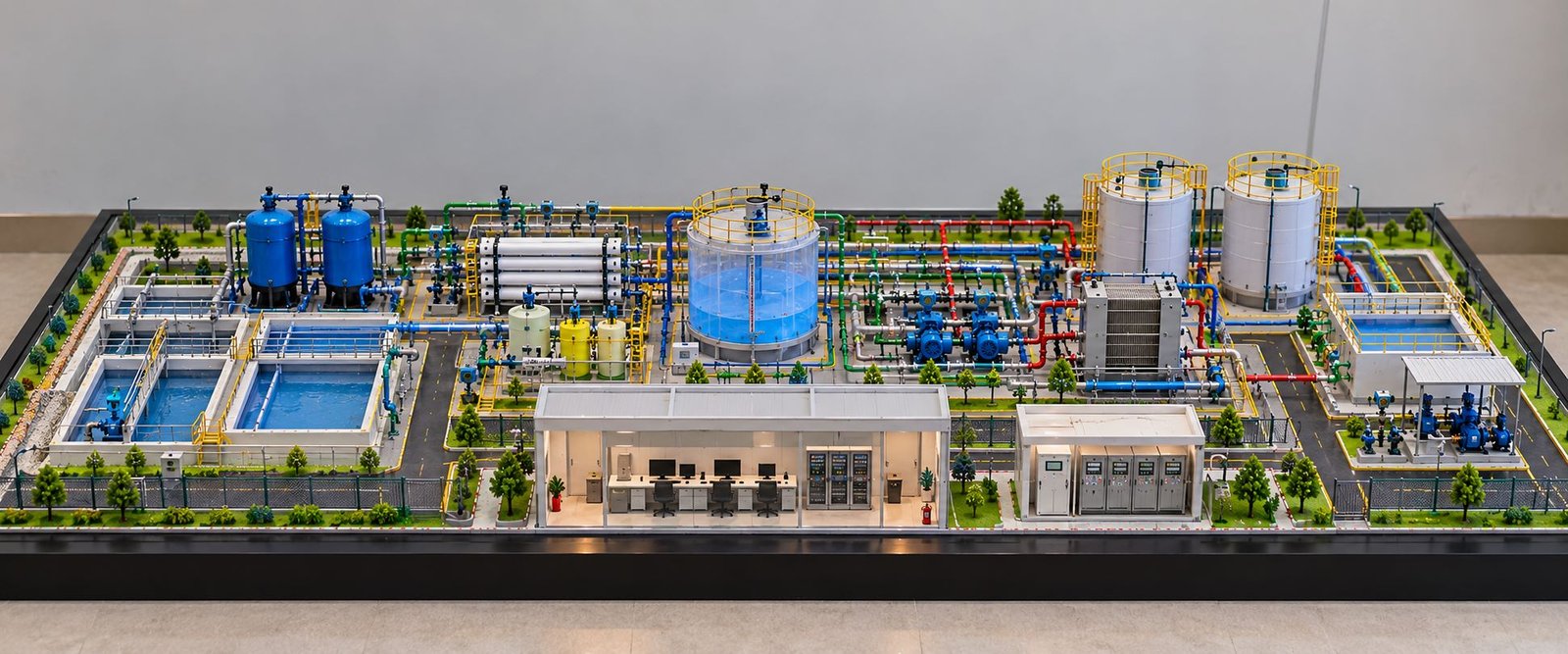
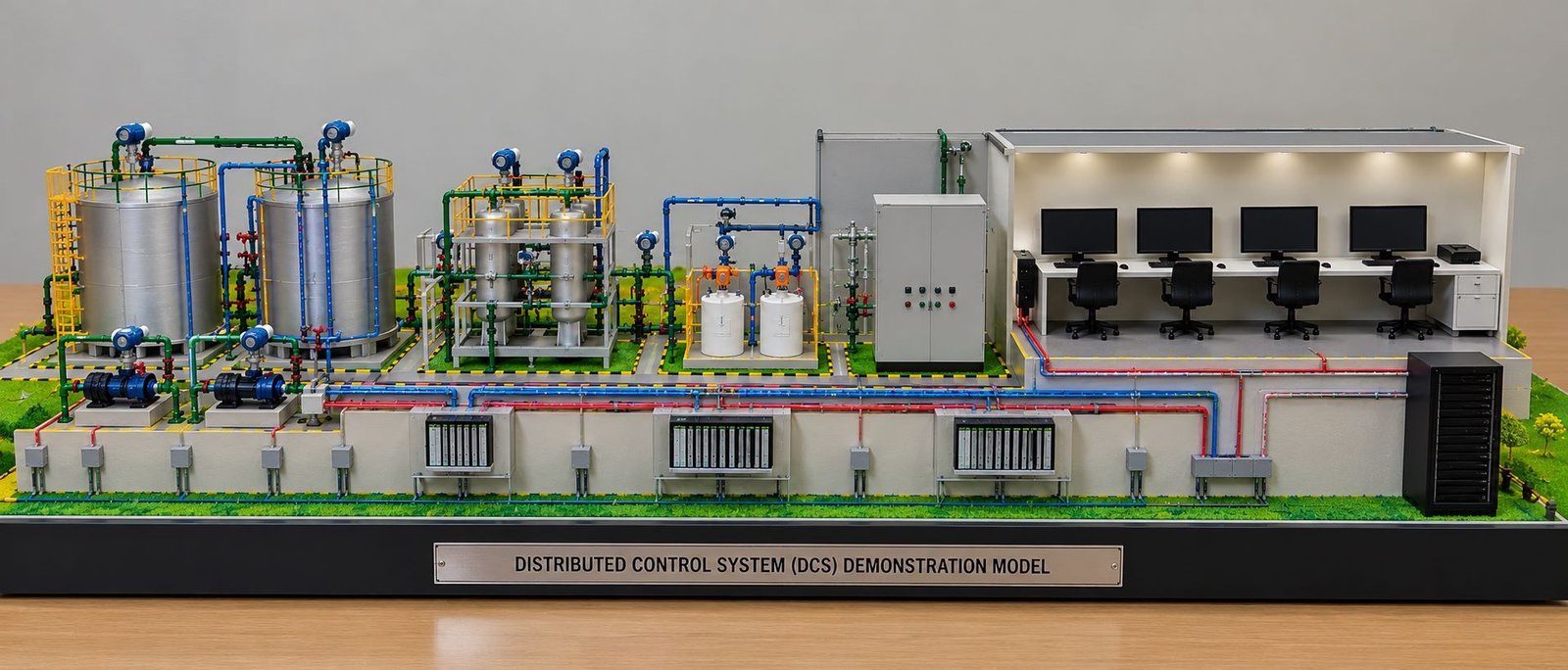
For oil and gas facilities, chemical units, and power stations, the requirements go a step further. An industrial plant model typically shows piping runs, storage tanks, control rooms, and safety zones in precise detail, which makes it useful for far more than just marketing. Safety teams use these models to walk new employees through evacuation routes and hazard zones before they ever set foot on the actual site. Investors and regulators, too, often ask to see one before signing off on a large capital project.
What makes an industrial plant model genuinely useful isn’t just accuracy of scale, it’s how well it reflects operational flow. A good model maker doesn’t just shrink a drawing; they think through how a plant actually runs, from raw material intake to finished output, and build that logic into the physical piece. That’s the difference between a model that looks impressive and one that actually helps engineers make better decisions.
Why Physical Models Still Beat Pure Digital Renders
Screens are great, but they have limits. A render only shows what the camera angle allows, and not everyone in a review meeting has access to a VR headset or the patience to navigate a 3D file. A physical model sits on a table, and everyone in the room can lean in, point, and discuss the same object at the same time. It also works perfectly well during a power cut, at a trade show booth, or in a client’s office where nobody wants to fumble with a laptop. There’s a reason these models still show up in reception areas years after a plant has already been built — they’re a lasting, tangible record of what a company has achieved.
Industries That Still Rely on These Models
Manufacturing plants, refineries, power generation units, ports, and even large warehousing complexes continue to commission scale work for planning and presentation purposes. In competitive EPC tenders, a well-built industrial scale model can genuinely tip a decision in a contractor’s favour, simply because it demonstrates a level of seriousness and attention to detail that a PDF proposal rarely conveys. Government bodies reviewing infrastructure projects often expect one too, especially for facilities that will affect surrounding communities.
The same holds true when a company wants to communicate complexity to a non-technical audience. Board members, government officials, or first-time investors don’t always read engineering drawings fluently, but they can understand a physical layout instantly. An industrial plant model translates technical detail into something anyone can grasp within seconds of looking at it, which is exactly why so many EPC and infrastructure firms still commission them for major approvals.
Materials, Scale, and Turnaround Time
The right scale depends entirely on what the model needs to do. A model built for a tabletop client meeting might work well at 1:200, while one meant for a detailed engineering review of a single process unit could need something closer to 1:50 to show valves, ladders, and platforms clearly. Materials matter too — acrylic and wood suit clean architectural volumes, while resin and metal components hold up better for detailed piping and machinery that needs to survive repeated handling at trade shows or client offices.
Turnaround time is often underestimated during planning. A detailed plant model with hundreds of components can take several weeks from drawing handoff to final delivery, so it helps to loop in a model maker early rather than treating it as an afterthought once construction drawings are already frozen. Firms that plan for this lead time tend to get far better results than those trying to rush a model together right before a tender deadline.
Choosing the Right Model Making Partner
Not every workshop can deliver this kind of precision. It takes a team that understands engineering drawings, works closely with your technical staff, and has experience handling the scale and materials your industry demands. Turnaround time, finishing quality, and the ability to update a model as designs change all matter just as much as the initial build.
In an industry that’s increasingly digital, it might seem odd that physical models haven’t disappeared. But that’s exactly the point — they solve a problem no screen has fully solved yet: giving people a shared, physical understanding of something that doesn’t exist yet. Whether it’s for a boardroom pitch or a safety briefing on-site, a well-made model earns its place long after the meeting ends.