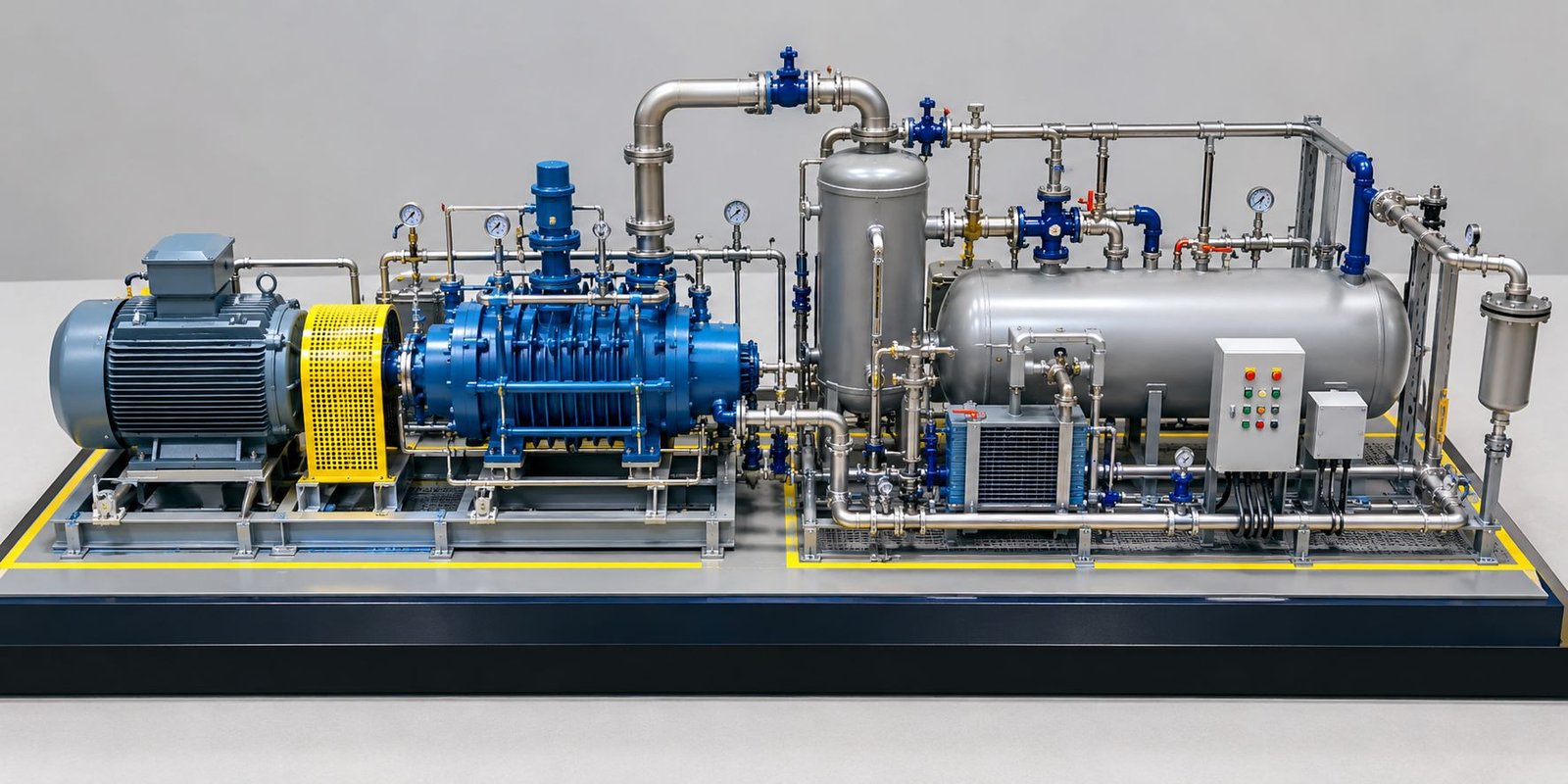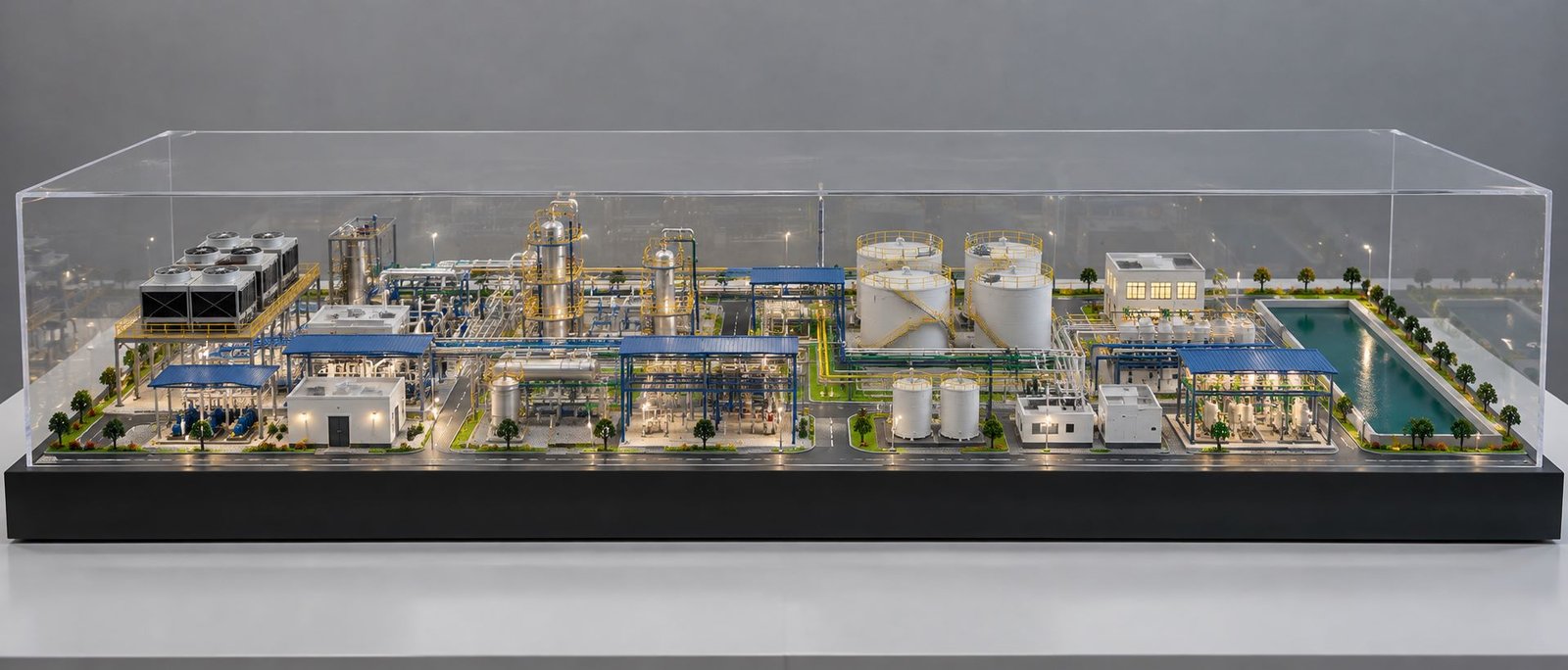
A Physical Object in a Digital World
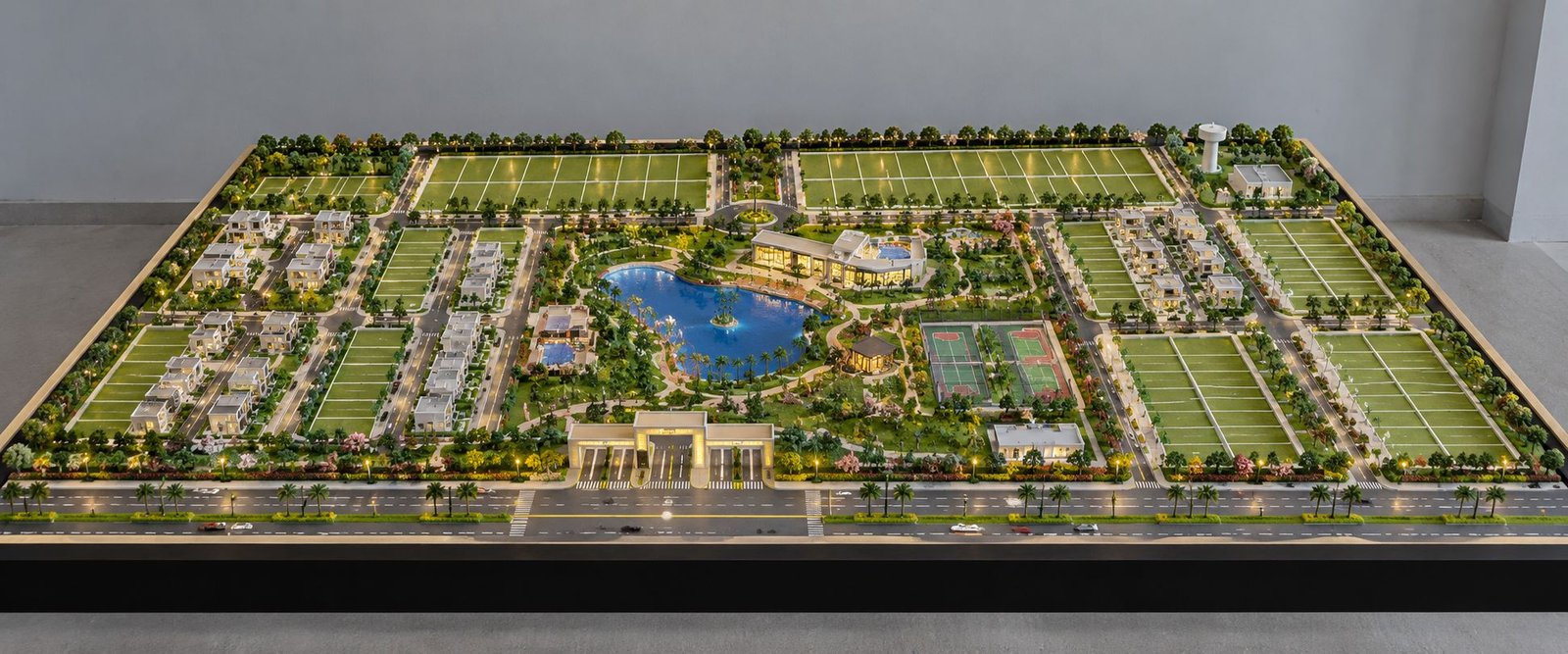
Walk into any serious architecture studio today and you will find dual monitors running photorealistic renders, VR headsets tucked into a drawer, and somewhere in the corner, still occupying a place of honor, a physical model sitting under glass. That is not nostalgia. It is because an architectural scale model does something a screen simply cannot. It lets a client, a planning committee, or an investor walk around a building before a single brick is laid, seeing scale, proportion, and light fall the way the eye actually reads them in three dimensions rather than through a flat rectangle of pixels.
Renders are persuasive, but they are also easy to distrust, precisely because they can be manipulated so effortlessly with lighting tricks and camera angles chosen to flatter a design. A model has weight and presence. You can pick it up, turn it in your hands, crouch down to see it at eye level, or step back to take in the whole composition at once. That tactile honesty is part of why, even with photorealistic software everywhere, a well-built scale piece has not disappeared from serious design presentations. If anything, it has become more valued precisely because it stands out as something genuine in a sea of digital polish.
What Good Architectural Model Making Actually Involves
People outside the profession often assume the craft is a simple job of cutting foam board and gluing pieces together. In reality, architectural model making sits at the intersection of engineering precision and artistic judgment. A model maker has to read architectural drawings the way a translator reads a foreign language, understanding not just dimensions but intent. Which details matter enough to include at this scale, and which would just clutter the piece and distract from the design story the architect is trying to tell?
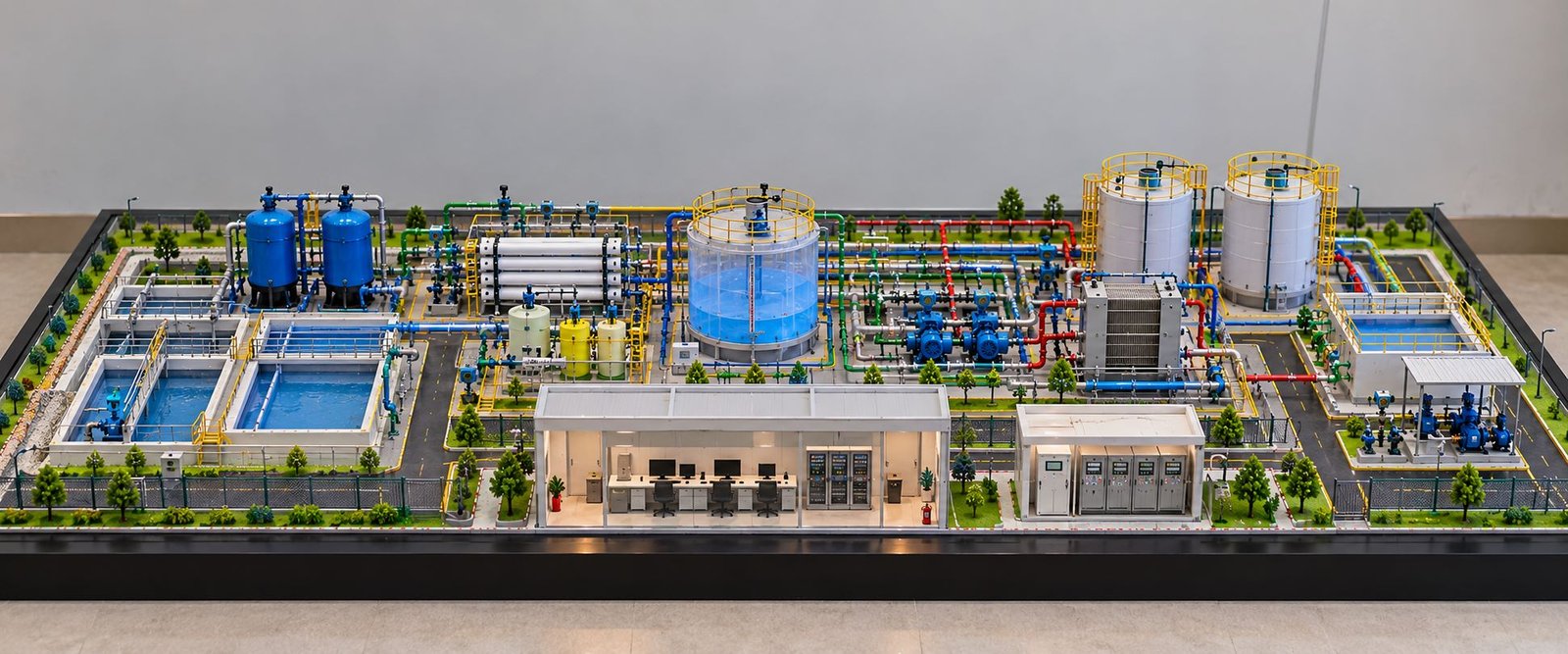
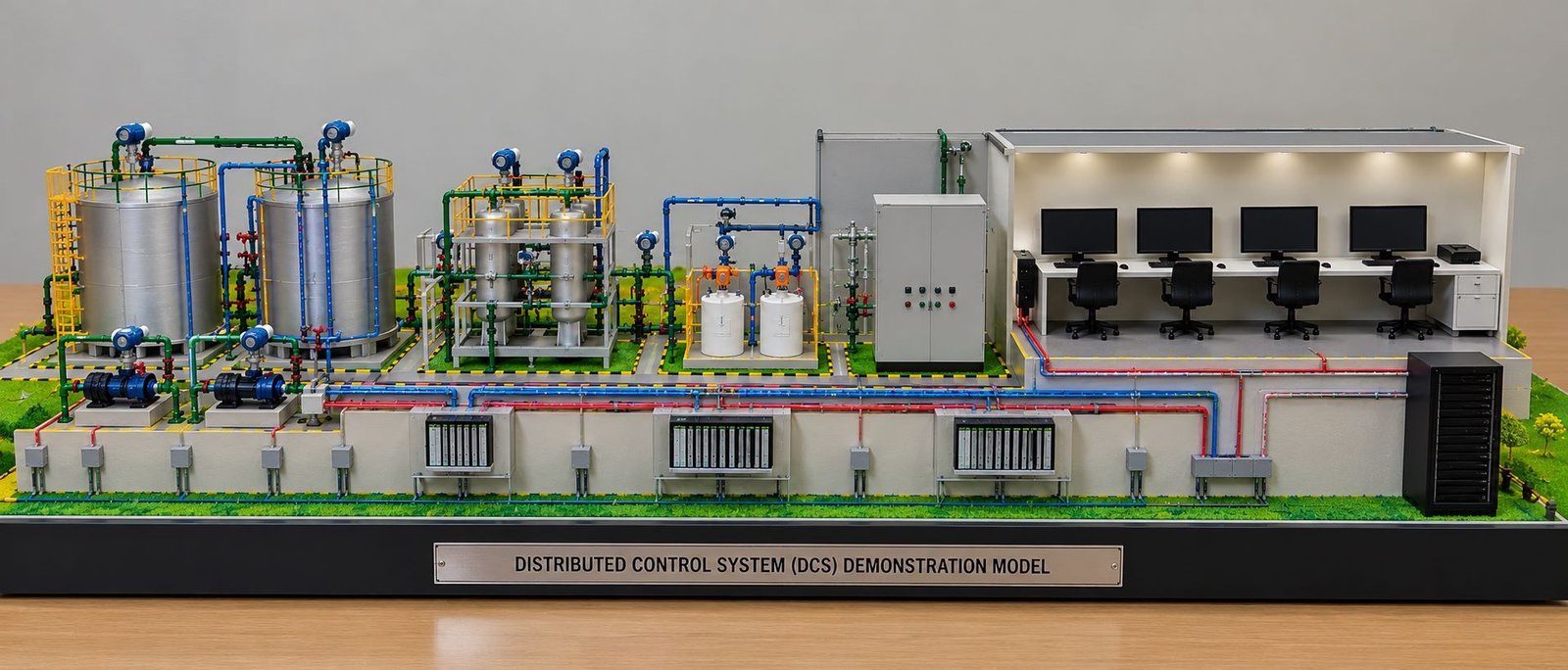
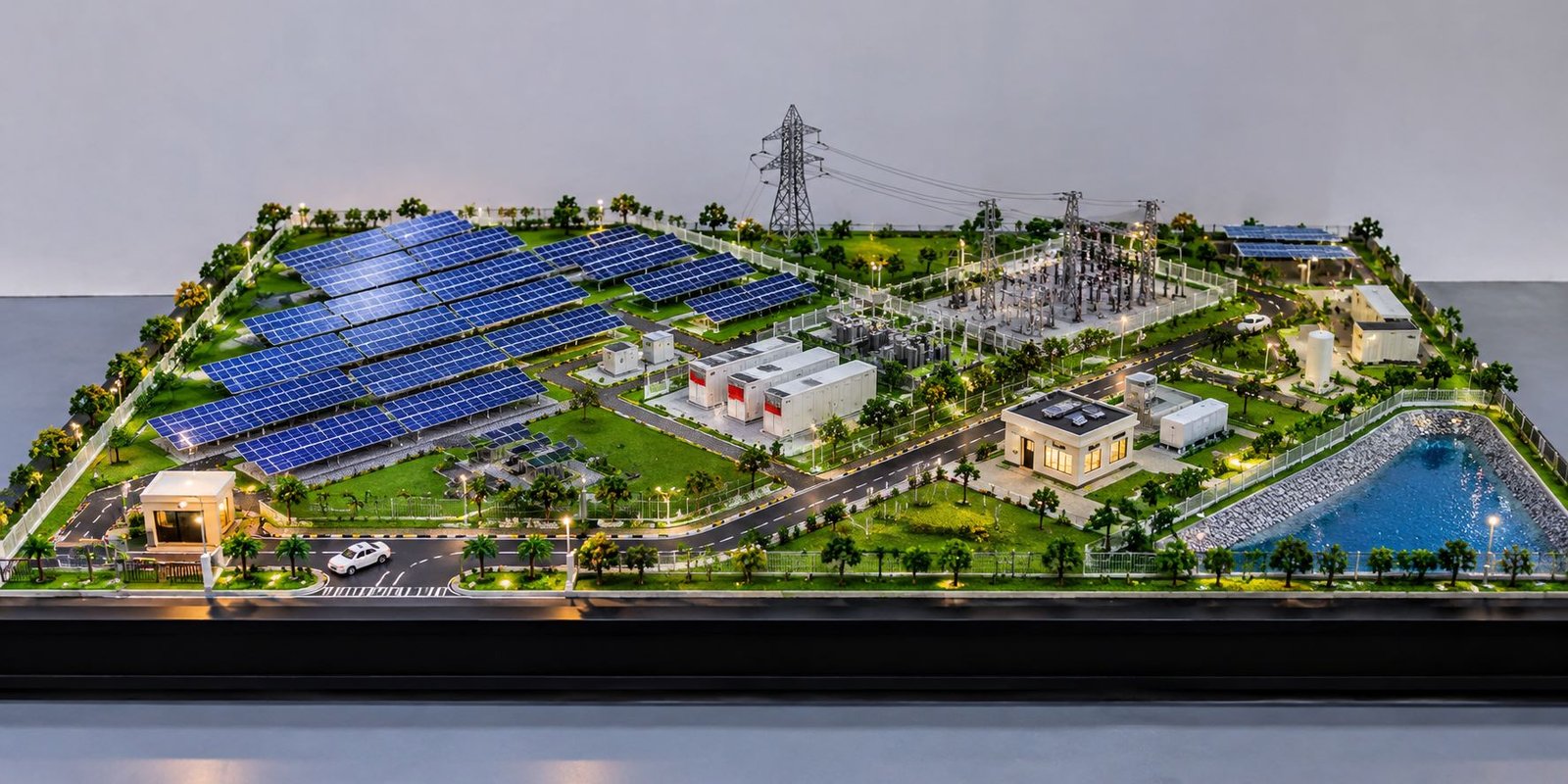
The process usually begins with material selection, since acrylic, MDF, foam board, and 3D-printed resin all behave differently and suit different budgets and finishes. Then comes precision cutting, often on laser cutters calibrated to fractions of a millimetre, followed by careful assembly, painting, and the addition of landscaping, vehicles, or human figures that give the piece a sense of real-world scale. This kind of work is slow and deliberate, and the difference between an average result and an exceptional one usually comes down to hundreds of small decisions most viewers will never consciously notice, only feel.
Why Clients Respond Differently to Physical Models
There is something almost psychological about how people engage with a physical object compared to a screen. A client looking at a laptop render tends to nod politely and move on. The same client standing over a well-built architectural scale model will lean in, point at a corner, ask a question about the roofline, and genuinely start imagining themselves inside the space. That shift in engagement is not a coincidence. Physical objects trigger a kind of spatial reasoning that flat images simply do not activate as strongly, and architects who present with a model in the room consistently report richer, more productive client conversations.
This is especially true in early-stage design reviews, where clients are still forming an opinion about massing and layout. A conversation held around a table with a model in the middle tends to move faster than one held around a laptop screen, because everyone in the room can point at the same physical reference at the same time instead of waiting their turn to gesture at a projector.
Models Still Win Approvals
Beyond client meetings, models continue to play a serious role in municipal approvals and planning presentations. Committee members reviewing a proposed high-rise or a sensitive heritage-zone project often find a physical piece far easier to evaluate honestly than a rendered fly-through, because it cannot hide a bad sight line or an awkward massing decision behind a clever camera angle. This is one of the quieter but more important reasons careful model production remains a standard part of the toolkit for firms working on large or contentious developments, where every stakeholder needs to trust what they are looking at. Many planning departments across Indian cities still explicitly request a physical architectural scale model alongside digital submissions for exactly this reason.
The Craftsmanship Behind the Small Details
What separates a forgettable model from a memorable one usually comes down to restraint and finishing. Overloading a piece with excessive texture or unnecessary detail can actually weaken it, drawing the eye away from the architecture itself. Experienced model makers know when to simplify, using clean material contrasts and subtle lighting cues to guide attention toward the design decisions that actually matter, whether that is a cantilevered balcony, a courtyard, or the interplay between glass and solid mass on a facade.
The best studios also think carefully about base and plinth design, since a poorly proportioned base can make even a well-built structure look awkward or unbalanced, while a thoughtfully designed one frames the piece the way a good picture frame draws the eye toward a painting rather than competing with it. This attention to finishing is what ultimately defines skilled architectural model making, more than any single flashy feature added to impress at first glance.
Choosing a Model Making Partner
Not every workshop offering this kind of work produces it at the same standard. It is worth reviewing a studio’s past projects closely, paying attention to how they have handled scale accuracy, material choices, and the balance between detail and clarity. A good partner will ask thoughtful questions about the purpose of the piece, whether it is meant for an investor pitch, a planning submission, or a permanent lobby display, because that context genuinely changes how architectural model making should be approached from the very first sketch.
Final Thoughts
Technology has changed almost everything about how buildings get designed, but it has not managed to replace the simple power of a physical piece sitting in a room, inviting people to look closer. For architects who still care about how a project actually lands with the people making decisions about it, investing in genuine craftsmanship remains one of the most reliable ways to turn a set of drawings into something people can actually understand, trust, and get excited about, long before the first foundation is poured.