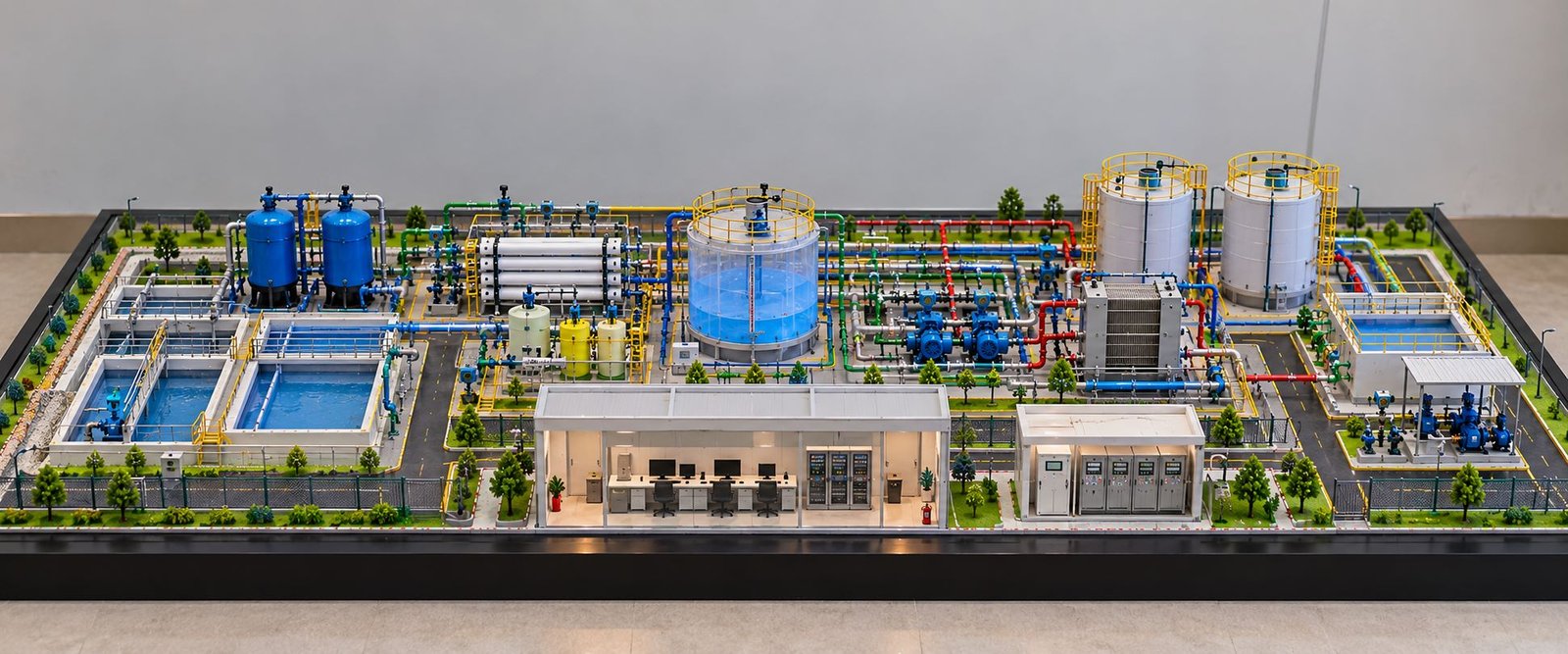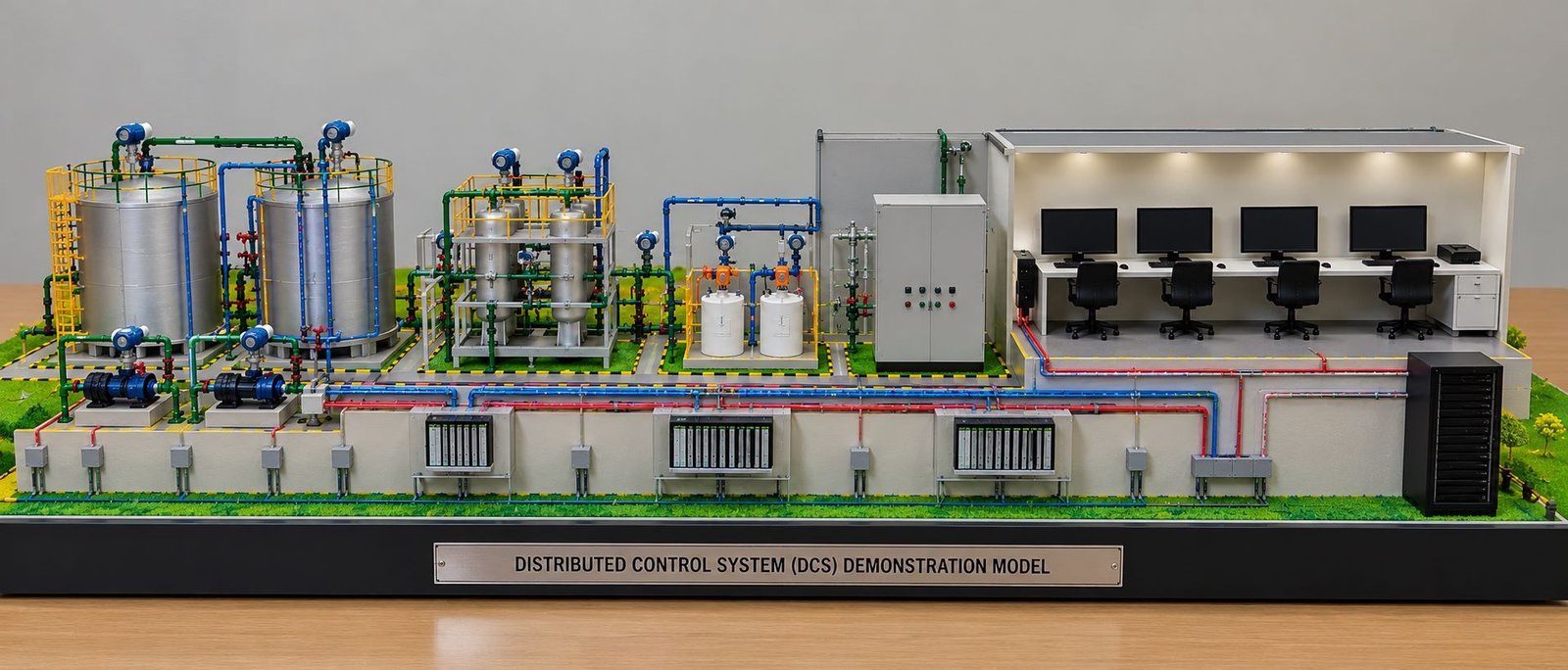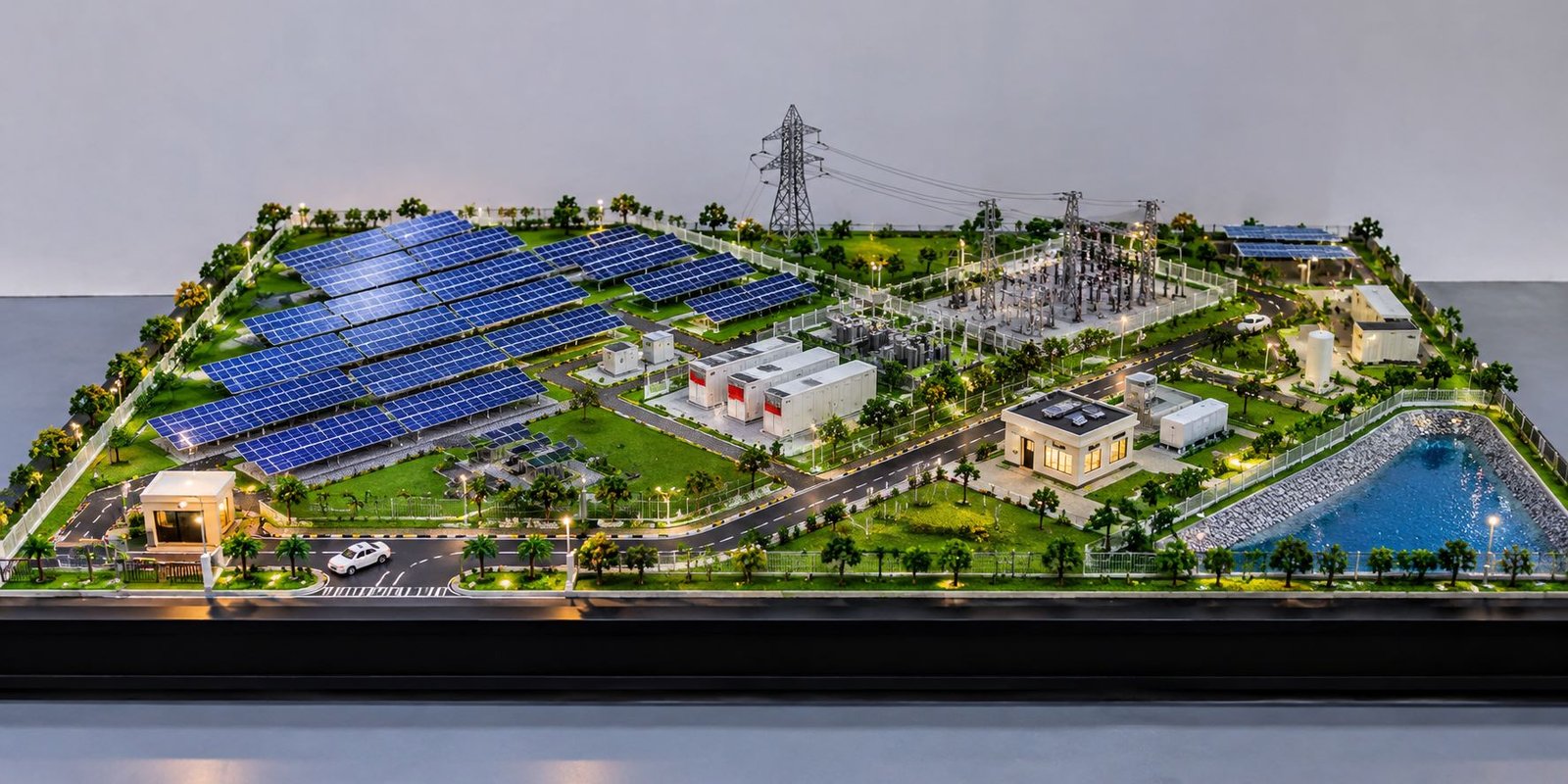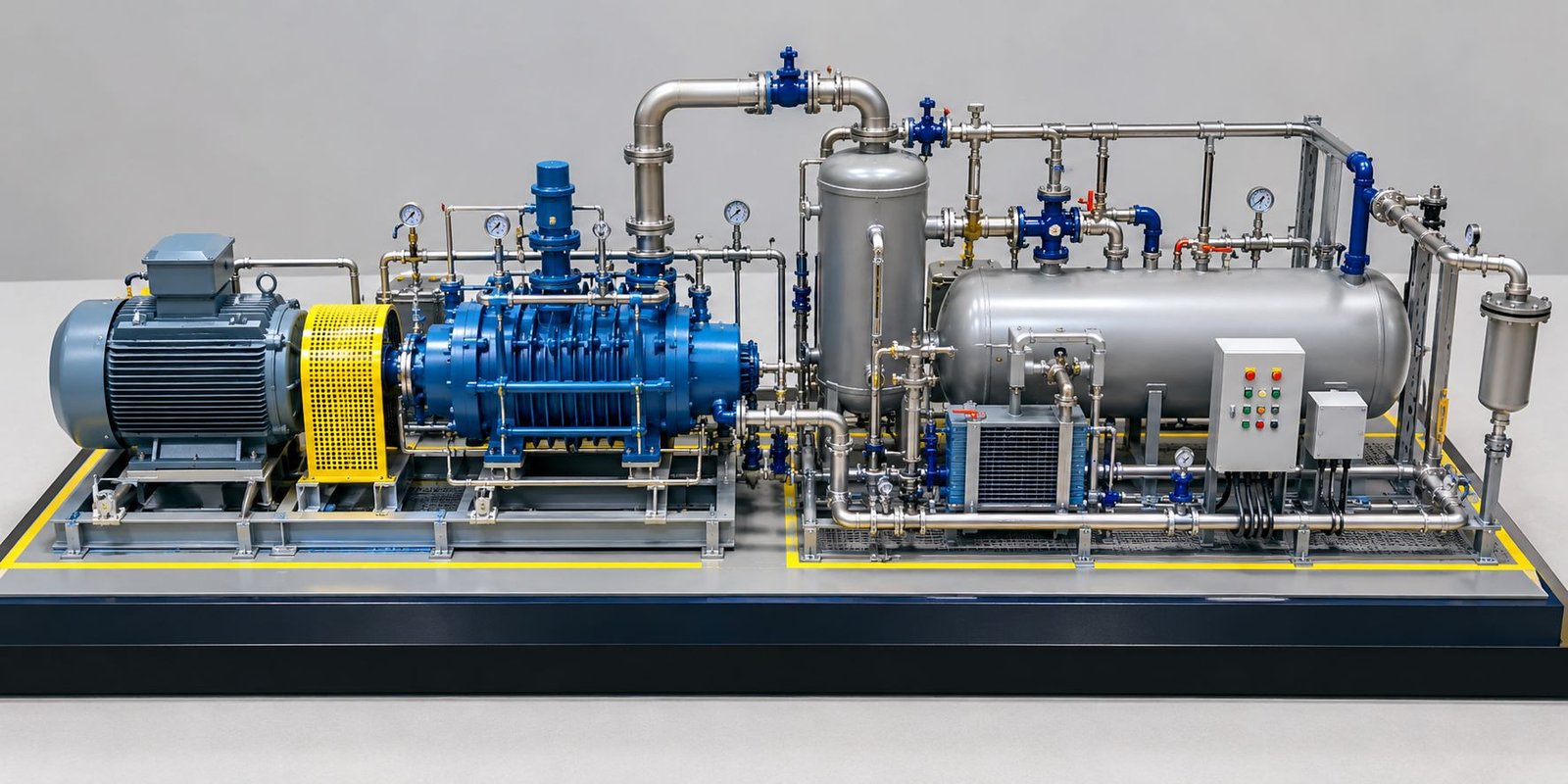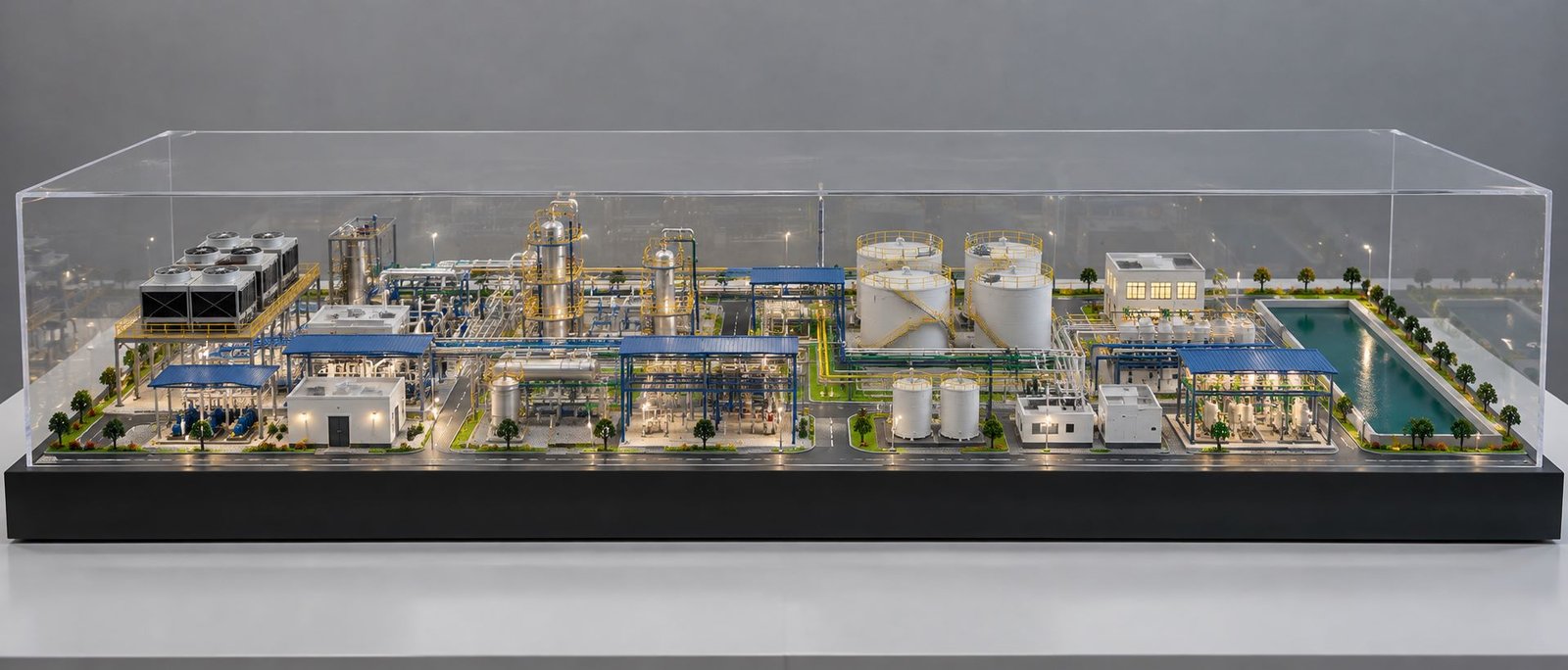
There’s a real difference between a model that looks impressive sitting still and one that actually does something. A technical working model falls into the second category — it’s built to demonstrate function, not just form, which means gears turn, valves open, pistons move, and mechanisms behave the way their full-scale counterparts would. For engineers trying to explain a process to someone without a technical background, that difference changes everything about how the conversation goes.
Why Static Models Aren’t Always Enough
A static build is fine when the goal is purely visual — showing a building’s footprint, or a factory’s floor layout, for instance. But once the goal shifts to explaining how something operates, a still object leaves too much to the imagination. Watching a component actually move tells a viewer more in ten seconds than a page of explanation could in ten minutes, which is exactly why so many engineering teams request a working demonstration piece rather than a display-only build.
The Gap Between Explaining and Showing
Most engineers have had the experience of explaining a mechanism verbally to someone, watching them nod politely, and realising a few minutes later that the explanation didn’t really land. Motion closes that gap almost instantly. Watching a cam follower rise and fall, or a set of gears mesh and drive a second shaft, gives a viewer an intuitive understanding that words alone rarely manage, no matter how carefully those words are chosen.
Where Working Models Prove Their Worth
Trade shows are an obvious setting, since a moving mechanism pulls people toward a booth in a way a static poster never will. Investor pitches benefit too — watching a scaled-down turbine spin or a hydraulic arm lift genuinely demonstrates feasibility in a way slides can’t. A technical working model also earns its place in training environments, where new technicians can watch a process happen safely at a small scale before ever working near the full-size equipment.
The Engineering Behind the Illusion of Simplicity
Making a small mechanism move convincingly is harder than it looks. Miniature bearings, gears, and motors have to be selected carefully so the finished piece doesn’t strain itself into failure after a handful of demonstrations. A well-built technical working model accounts for this from the start, choosing materials and components rated for repeated use rather than a single flashy unveiling.
Power, Wiring, and the Details Nobody Notices Until They Fail
Motors need a power source, and that source has to be hidden well enough that it doesn’t distract from the mechanism itself. Battery packs, concealed wiring channels, and quiet gear motors all play a part in making a working piece feel polished rather than improvised. A demonstration that stutters, overheats, or needs a visible cable running across the table tends to undercut the same impression it was built to create, so this groundwork matters just as much as the mechanical design itself.
Finding the Right Workshop for the Job
This is where sourcing matters. A skilled engineering model maker india typically brings together mechanical fabrication, electronics for motorised components, and finishing work under one roof, which keeps a project from getting split across three different vendors who each handle only part of the build. That kind of integrated workflow tends to produce more reliable mechanisms, since the same team responsible for the moving parts also handles final assembly and testing.
Cost efficiency is part of the appeal too. An experienced engineering model maker india can usually deliver detailed, motorised builds at a price point that would be difficult to match with workshops in Europe, North America, or East Asia, without compromising on the underlying engineering. That combination of skilled labour and lower overhead is a big reason so many international firms now commission model work from Indian workshops for global exhibitions and presentations.
Testing Before Delivery
A responsible workshop runs a working piece through repeated cycles before it ever leaves the shop floor, not just once for a quick photo. Gears get tested under load, motors run for extended periods to check for overheating, and joints get checked for play that might develop after weeks of demonstrations. Skipping this step is how a mechanism ends up failing during the one presentation it actually needed to work perfectly, which is a far more common problem than most first-time buyers expect.
It also helps to ask what happens if something breaks mid-transit or mid-demonstration. Shipping a working model with moving parts carries more risk than shipping a static display piece, so a workshop that pads and secures moving components properly, and includes basic spare parts or a repair kit, tends to save a lot of stress later. This kind of preparation rarely gets mentioned upfront, so it’s worth asking about directly rather than assuming it’s included.
What to Check Before Commissioning a Build
Ask to see video of previous working pieces in motion, not just photographs, since a still image can’t confirm that a mechanism actually functions as intended. It’s also worth asking how the workshop handles maintenance and repairs after delivery, since moving parts wear over time and a good engineering model maker india will typically offer support well past the initial handover.
A model that moves tells a more complete story than one that doesn’t, and for engineers trying to explain complex mechanisms to a room full of people, that story is often worth far more than the extra cost and lead time it takes to build.