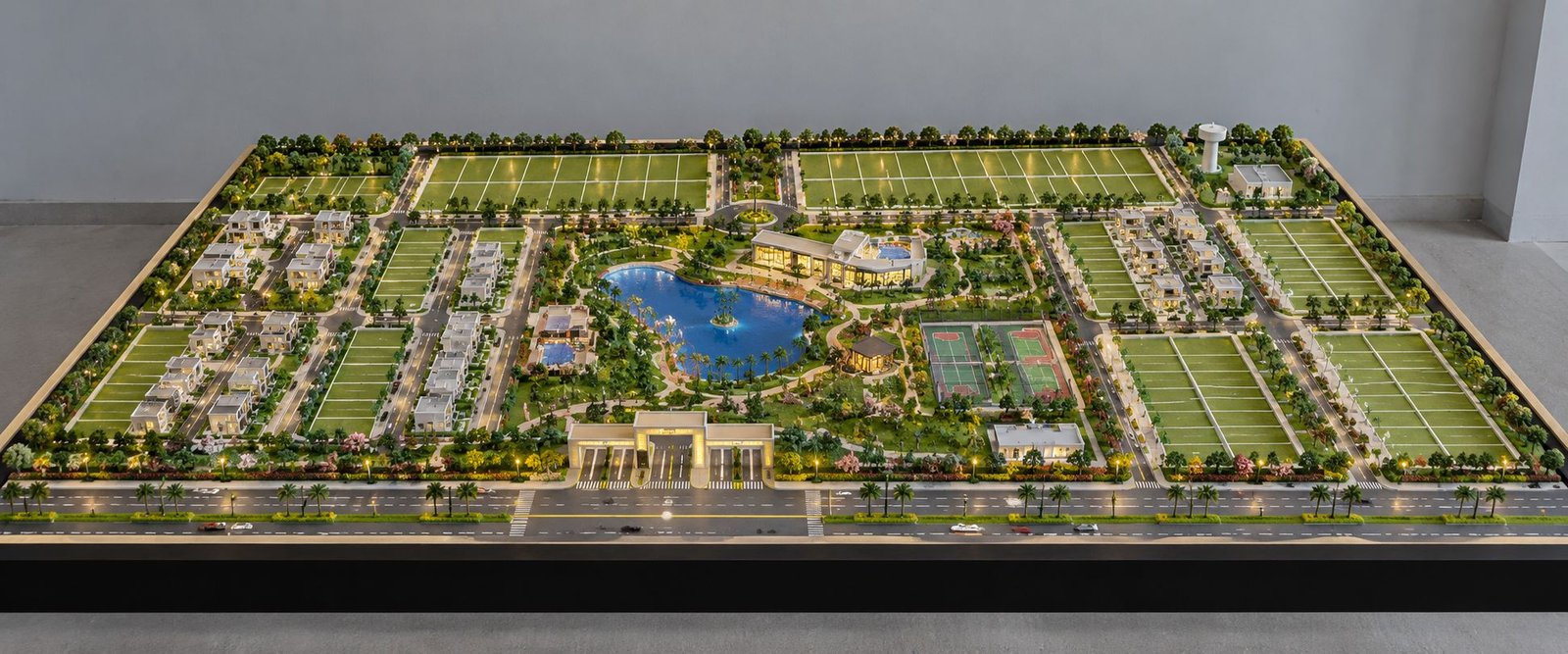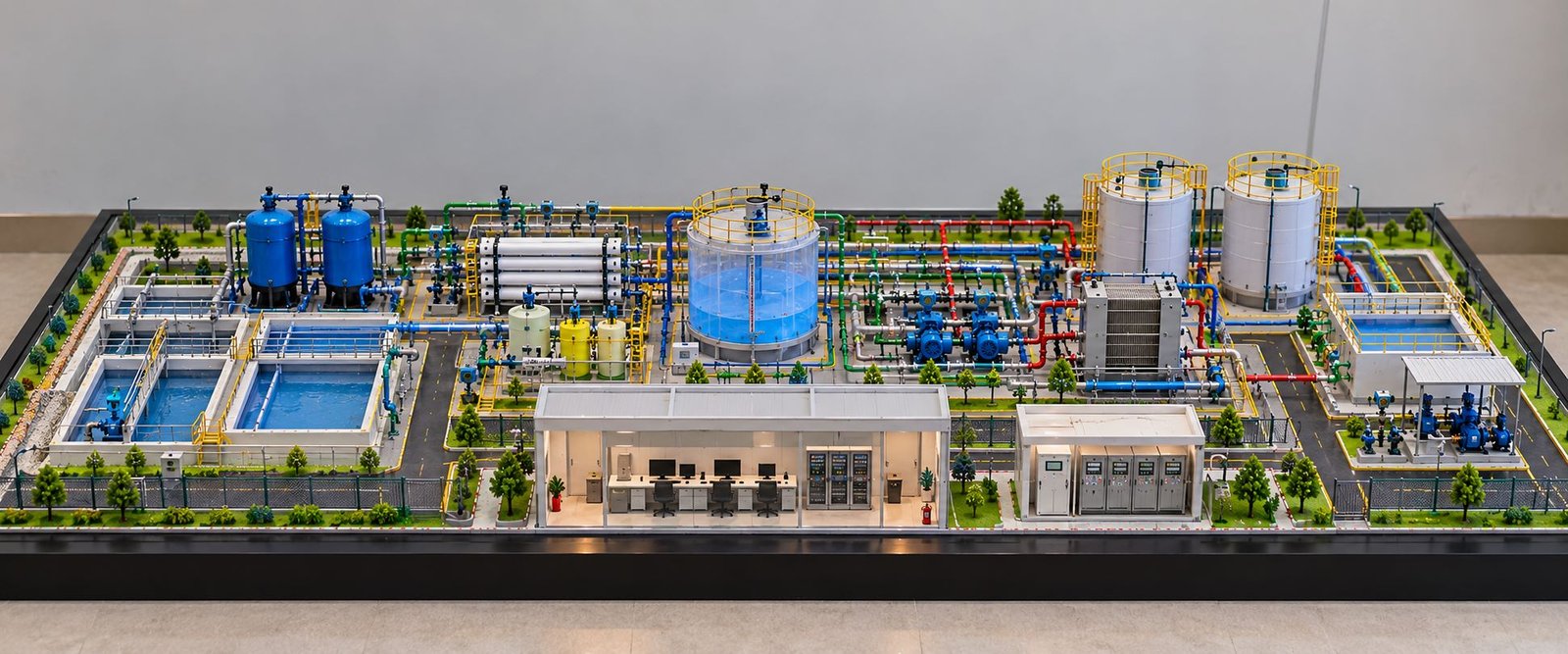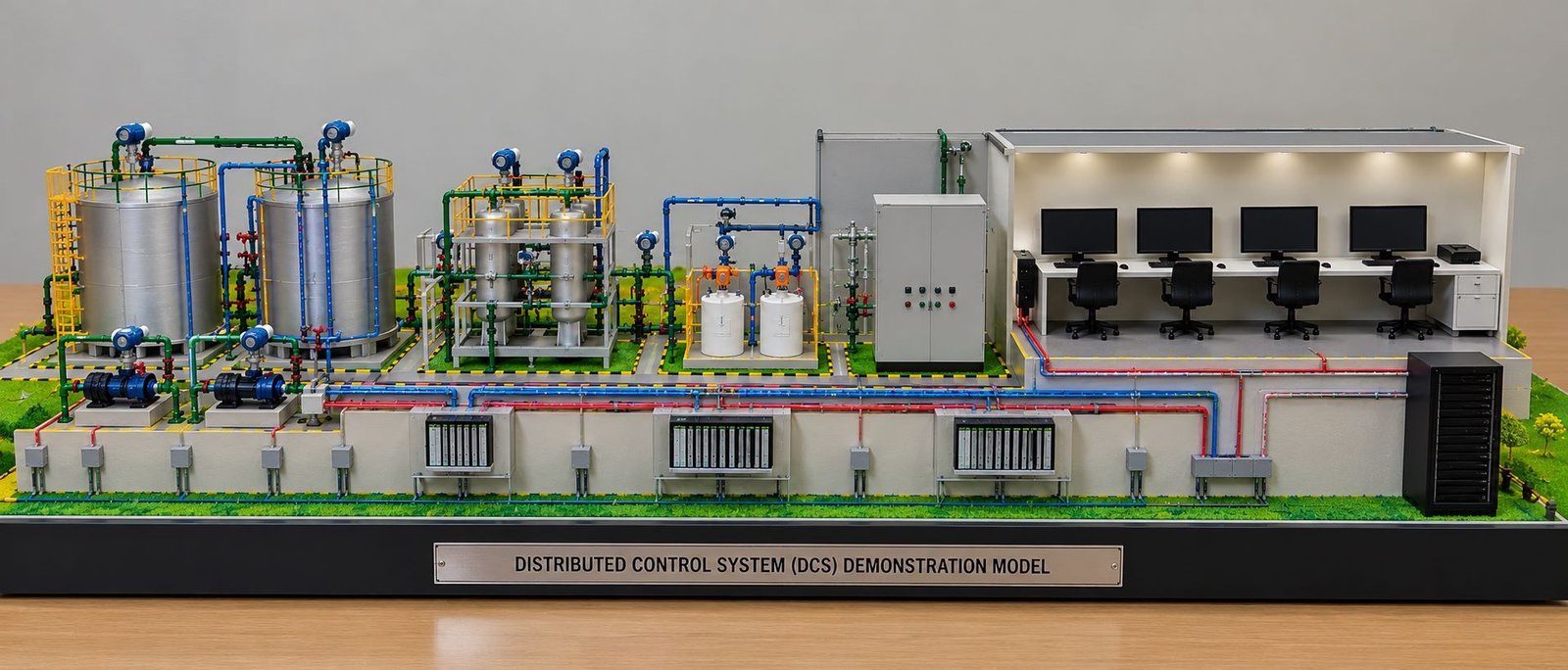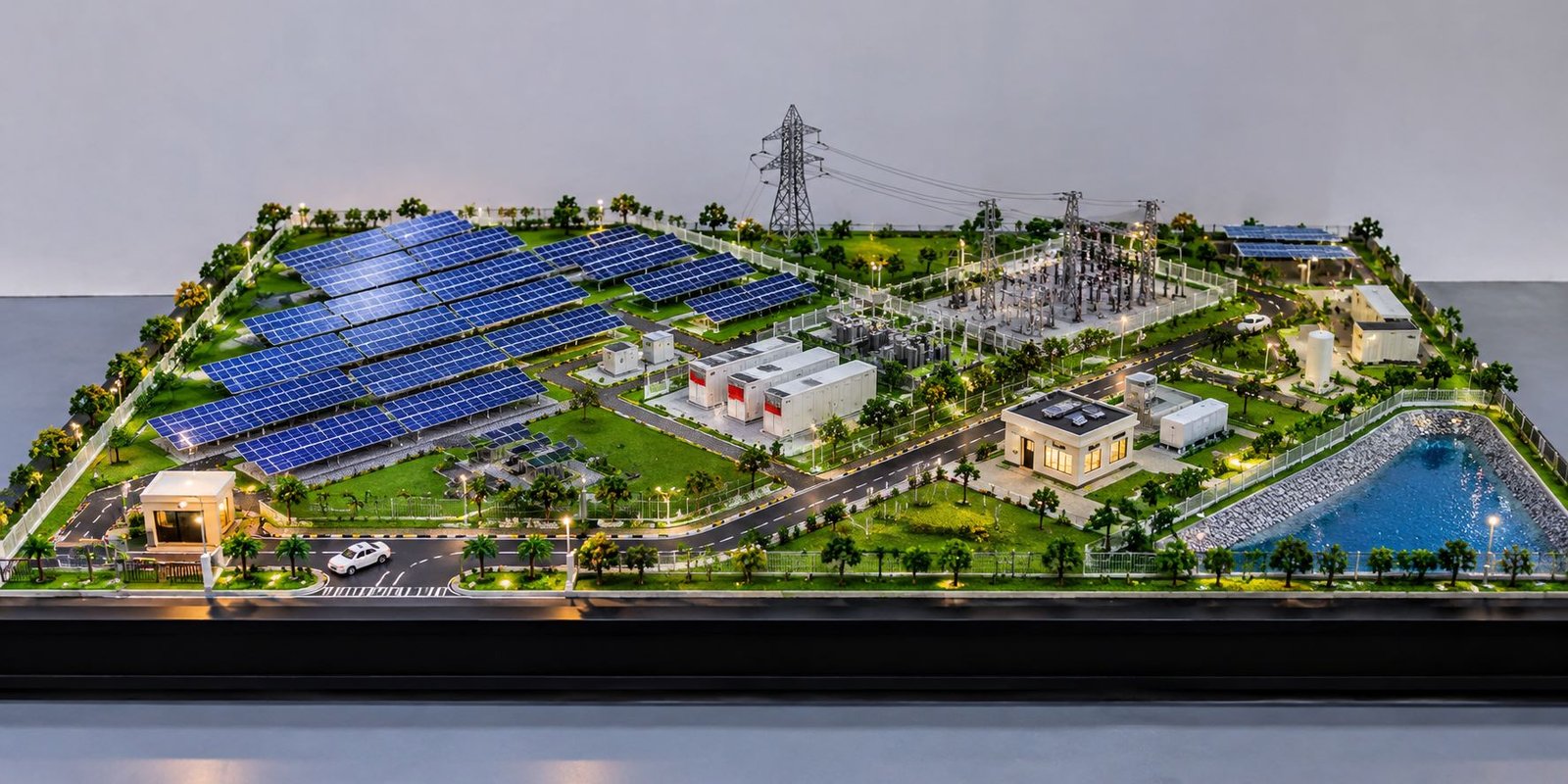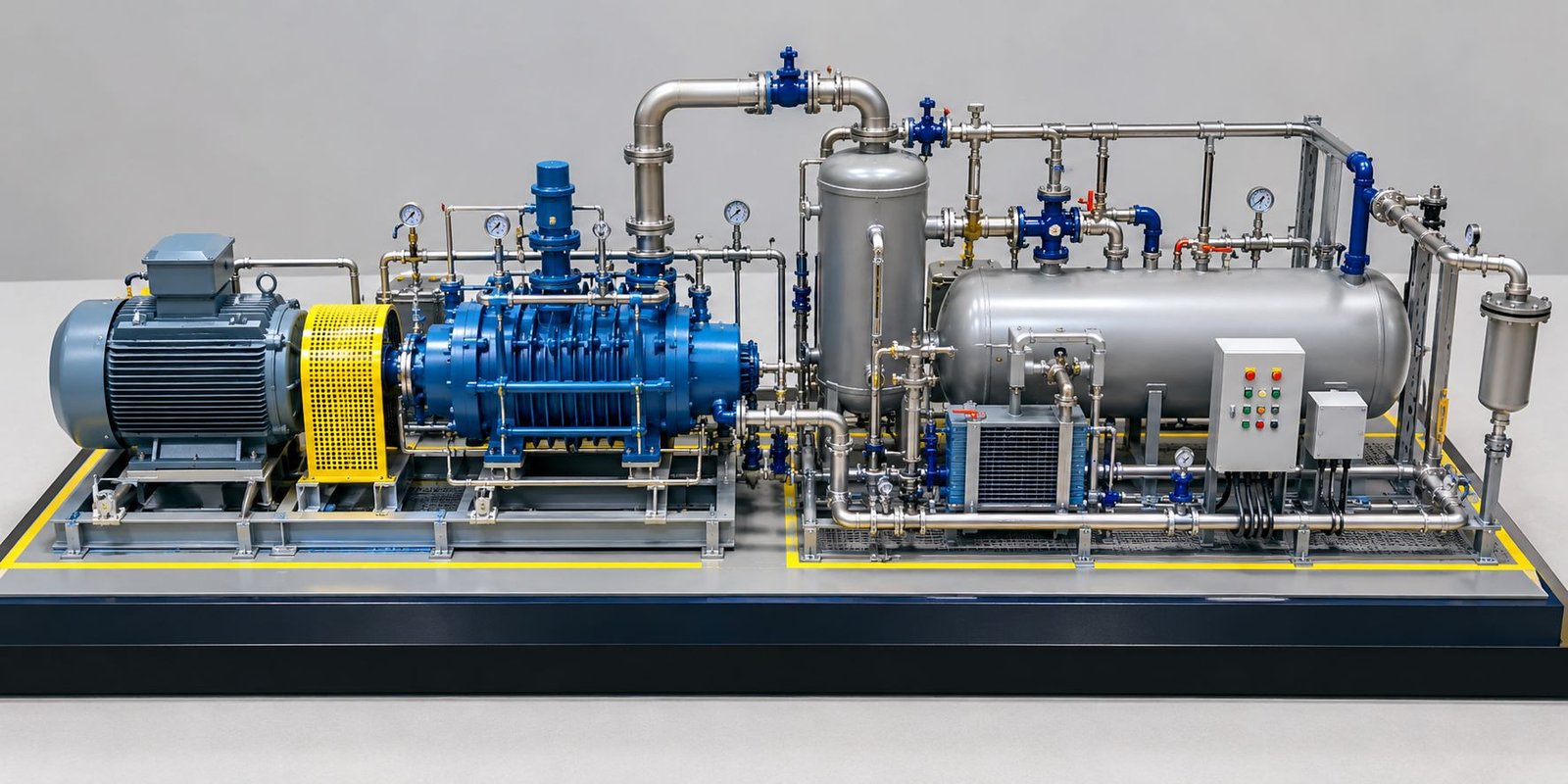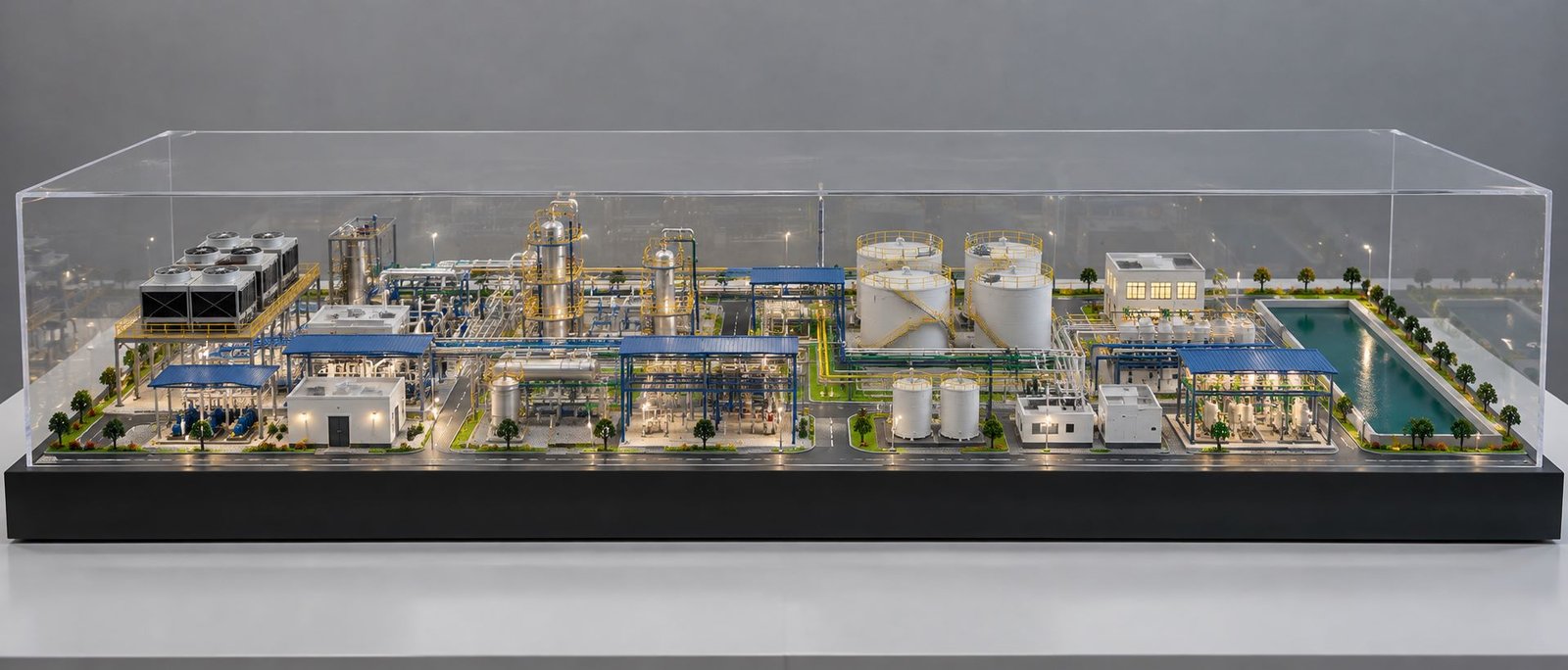
Not everyone commissioning a model works for a large manufacturing company. Engineering students building final-year projects, startups pitching a new mechanical product, and small design studios preparing for an exhibition all rely on the same basic idea: an engineering scale model makes an abstract concept tangible enough for someone else to understand in seconds, rather than after a lengthy explanation.
Why Scale Models Matter Beyond Big Industry
A university project defended with only a report and a slide deck rarely lands the same way as one backed by a physical build that examiners can pick up and examine. The same goes for a startup pitching investors — a scaled build sitting on the table during a pitch meeting signals that a concept has moved past the sketch stage into something closer to a real product. In both settings, a model becomes evidence of serious work rather than just an illustration of an idea.
What Makes a Model Presentation-Ready
A presentation-ready build needs more than accurate proportions. Clean joints, consistent finishing, and a base or stand that displays the piece properly all matter almost as much as the underlying engineering. Examiners, investors, and exhibition visitors form an impression within seconds of seeing a model, so rough edges or mismatched paint tend to undercut even a technically sound design. A well-finished engineering scale model should look intentional from every angle, not just the one it was photographed from.
Working With a Model Maker on a Student Budget
Cost is naturally a bigger concern for students and early-stage startups than it is for an established manufacturing firm, and this is another area where sourcing locally within India tends to make sense. A capable engineering model maker india can often scale a project to fit a tighter budget without cutting corners on the details that actually matter for a jury or an investor, since smaller workshops are usually more flexible about project size than large industrial fabricators.
Communicating With a Model Maker Who Isn’t an Engineer by Training
Not every model workshop has staff who read technical drawings fluently, and this gap causes more disappointing builds than people expect. Before committing to a workshop, it helps to ask direct questions about how they interpret dimensioned drawings and tolerances. A genuinely experienced engineering model maker india will usually ask clarifying questions about your drawings unprompted, rather than simply agreeing to build whatever is handed over, because they already know where ambiguity in a drawing tends to cause problems later.
Making the Model Do More Than One Job
A well-built model rarely gets used just once. The same piece that gets defended in front of an academic panel often ends up in a portfolio, at a job interview, or repurposed for a later pitch to investors or an incubator programme. Because of that, it’s worth treating the build as a long-term asset rather than a one-time deliverable, which means asking for a model sturdy enough to survive transport, repeated handling, and storage between uses. A good engineering scale model should hold up to all of that without needing repairs every time it comes out of storage.
What Examiners and Investors Actually Look For
It’s tempting to assume a jury or an investor cares mainly about how impressive a model looks, but in practice, most of them are quietly testing whether the person presenting it actually understands what they built. Being able to point to a specific component and explain why it was designed that way, or what trade-off it represents, tends to matter more than the polish of the finish itself. A model built with real understanding of the underlying engineering almost always comes across that way, even to someone without a technical background.
That’s also why it helps to be involved in the build process rather than simply handing over a drawing and waiting for a finished piece. Reviewing progress photos, asking questions about material choices, and understanding how each component was made all make it far easier to speak confidently about the model later, whether that’s in front of an academic panel or a room full of potential investors.
A Realistic Timeline for a Student or Startup Project
Leaving a model until the final week before a defence or a pitch is one of the most common mistakes people make. Even a modest build needs time for drawings to be finalised, materials sourced, and components assembled, and rushing that process rarely ends with a result anyone is proud of. Treating the build as part of the project timeline from the start, rather than an afterthought once everything else is finished, tends to produce far better results and a lot less last-minute stress.
Getting Started With a Model Project
The best results tend to come from involving an engineering model maker india early, while a design is still being finalised, rather than treating the model as an afterthought once everything else is locked in. Sharing drawings, discussing scale and budget upfront, and asking for a rough timeline before committing all help avoid the last-minute scramble that so often ends with a rushed, disappointing build.
Whether it’s headed for a university panel, an investor meeting, or a trade show floor, a well-made scale model does something no slide deck can — it turns an idea into something a person can hold, examine, and remember long after the meeting ends.