Selling a Building That Does Not Exist Yet
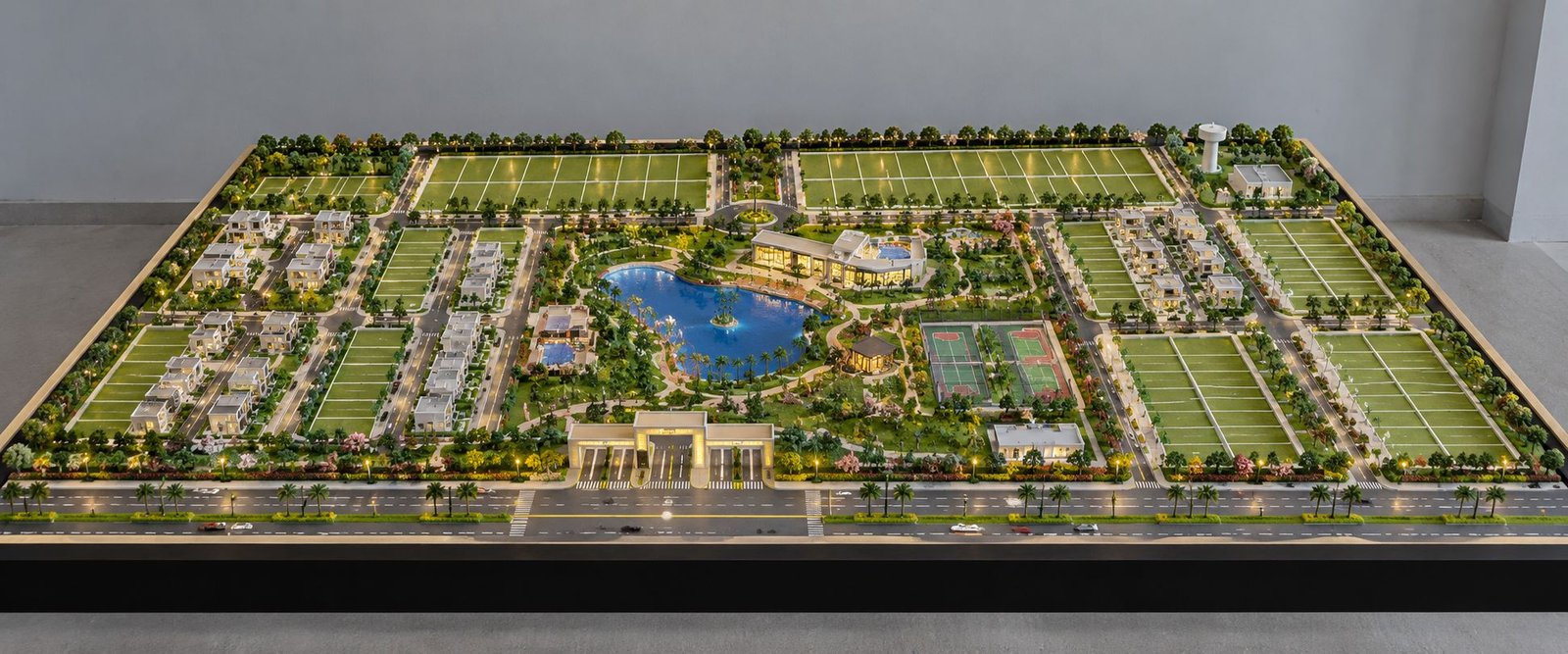
One of the hardest problems in real estate is asking someone to commit their life savings to a home they cannot walk through, stand in, or touch. Floor plans on paper rarely solve this problem, and even glossy brochures leave buyers guessing at how spaces will actually feel once built. This is precisely the gap that a well-produced 3D architectural model India is designed to close, giving prospective buyers something concrete to evaluate long before a single wall goes up.
Why Digital and Physical Now Work Together
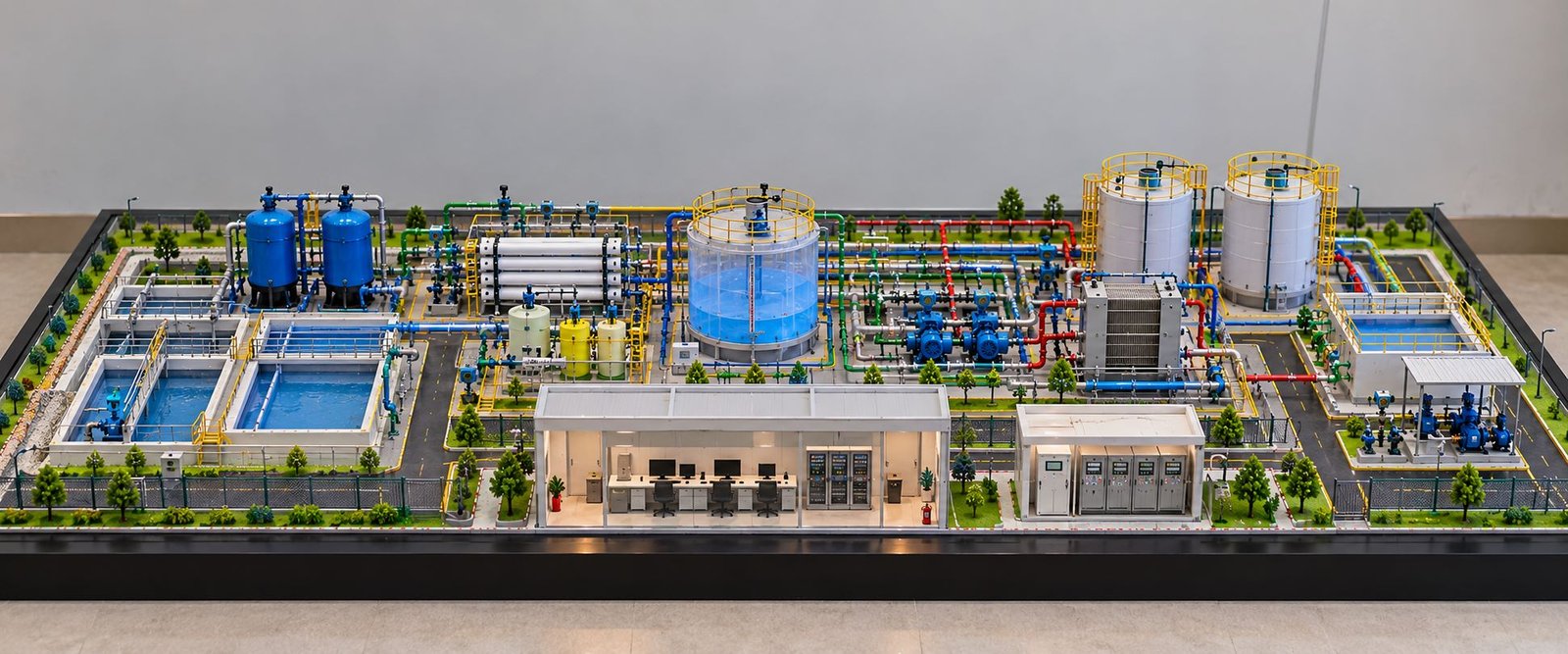
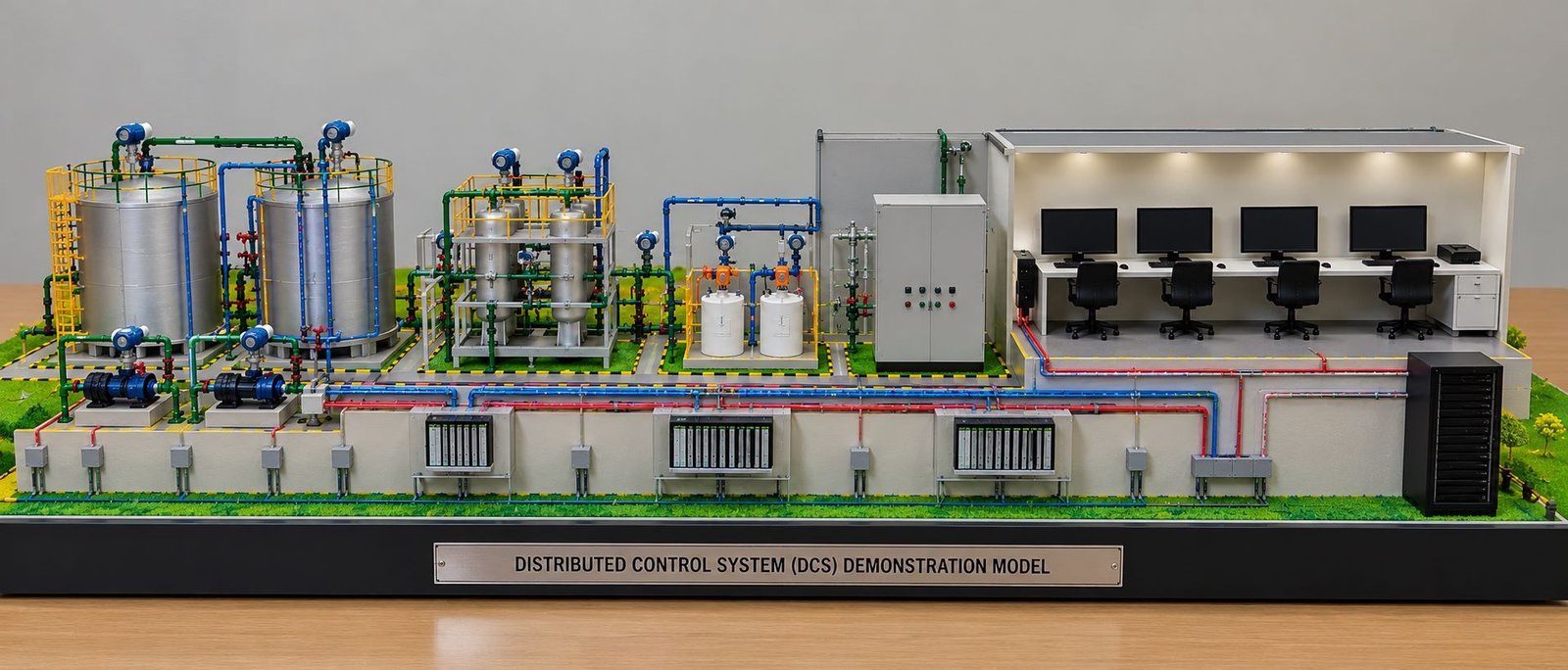
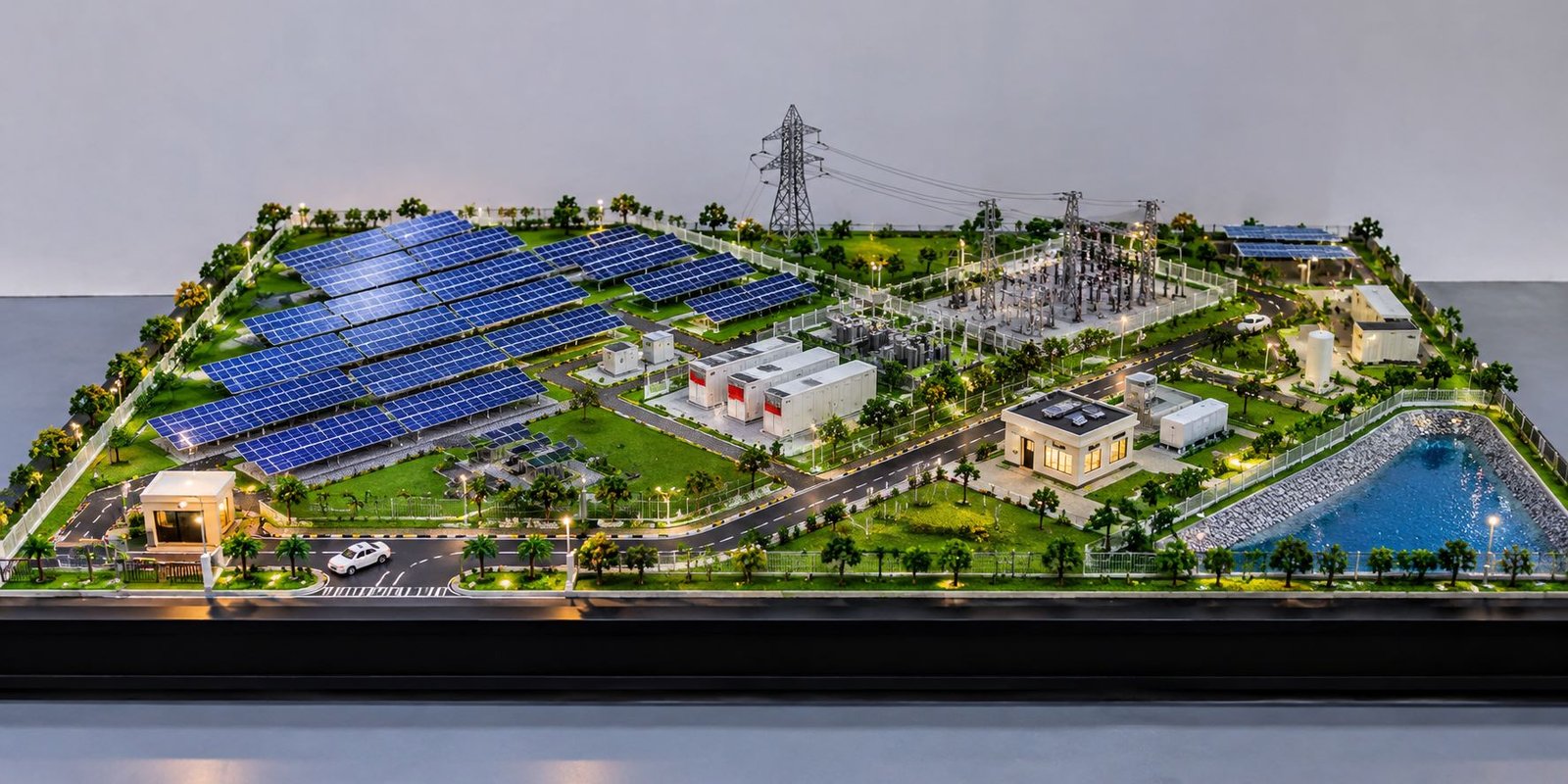
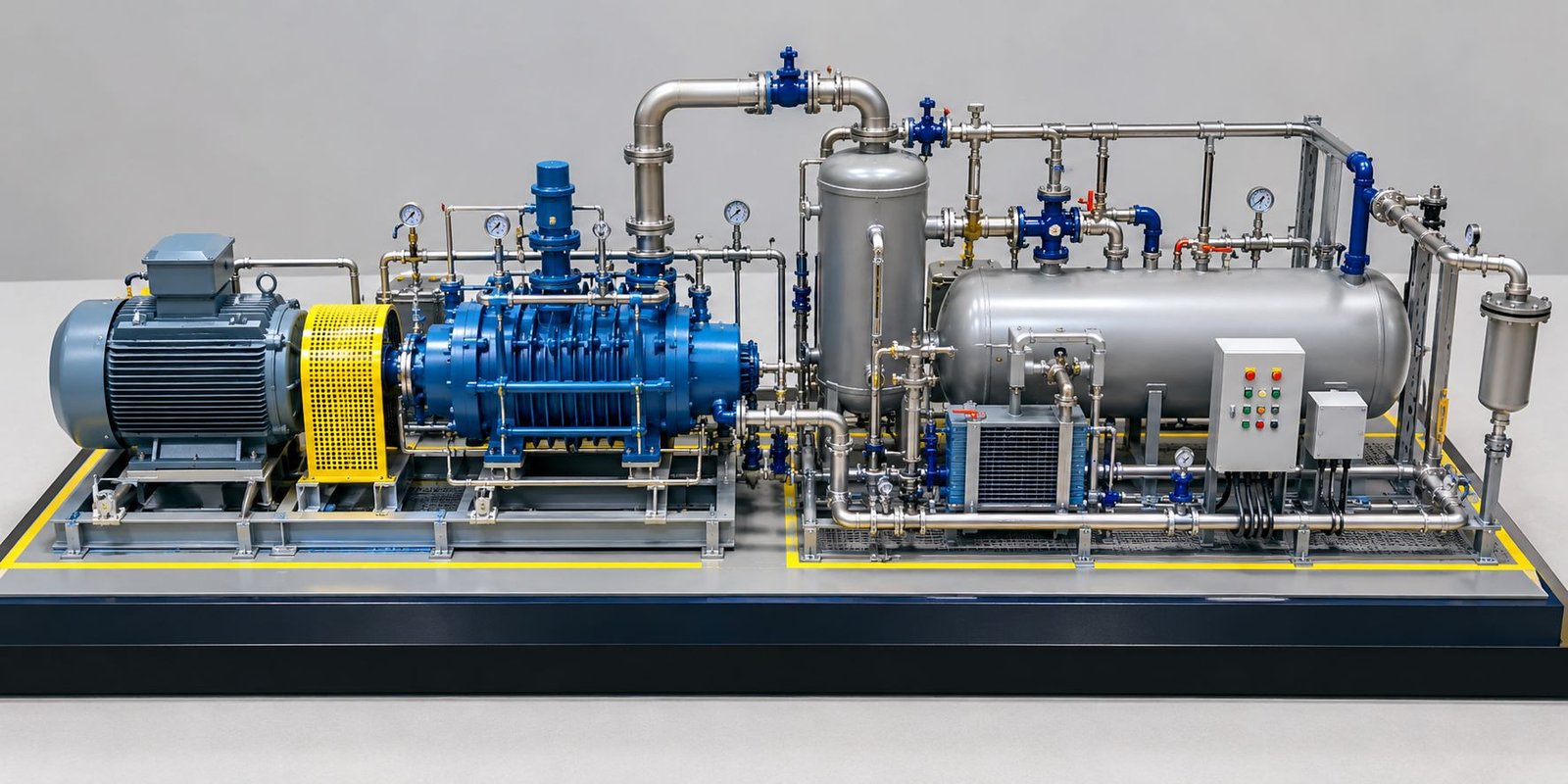
It is worth clearing up a common misconception. Modern presentation work rarely refers only to a physical scale piece anymore. It often describes a hybrid process, where architectural data is first modeled digitally for accuracy and design review, then translated into a physical object using CNC routing, laser cutting, or resin 3D printing for precision components. A skilled 3D architectural model India studio blends these steps together seamlessly, giving developers the best of both worlds, digital accuracy paired with the emotional impact of something buyers can actually walk around.
The Buyer’s Perspective
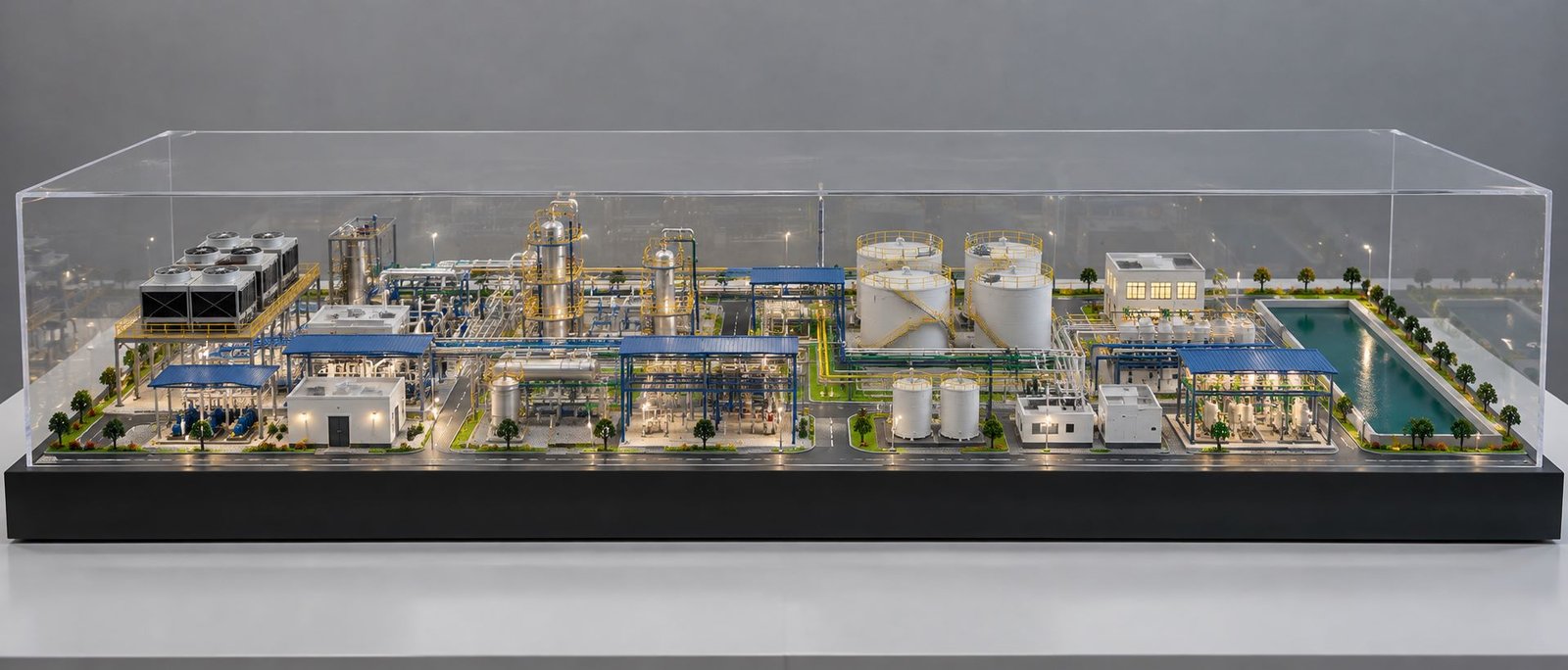
Ask any experienced real estate agent what happens when a serious buyer sees a detailed real estate scale model in the sales office, and most will describe the same shift. Skepticism softens. Questions get more specific. People start asking about which unit faces the garden or how far the clubhouse actually is from a particular tower, rather than general questions about the project as a whole. That shift from abstract interest to specific, practical questions is usually a strong signal that a buyer is moving closer to a decision, and a well-built piece is often what triggers it.
Agents who work regularly with these presentation tools often describe them as a kind of silent salesperson, quietly answering dozens of spatial questions a buyer might otherwise never think to ask out loud.
This effect tends to be even stronger with first-time buyers, who often have the hardest time translating a two-dimensional floor plan into a mental picture of daily life. Watching someone trace a finger along a corridor on a physical model, working out where their furniture might go, is a small moment that digital brochures rarely manage to create.
Beyond the Sales Office
The reach of a good presentation piece extends well past the physical sales lounge. High-quality photography and video of a detailed real estate scale model regularly ends up in digital marketing campaigns, investor decks, and even news coverage of major launches, giving the physical piece a second life across channels that never see the model in person. This dual value, working both as a physical sales tool and as content for digital marketing, is part of why developers continue to invest in these pieces even in an era dominated by online property portals.
Accuracy Matters More Than People Realize
A subtle but important point about any presentation piece delivered for RERA-regulated projects is that accuracy is not optional. Indian real estate regulations require marketing materials, including physical models, to reasonably represent what buyers will actually receive, and discrepancies between a promotional piece and the final built product can create real legal and reputational exposure for a developer. Working with a studio that treats architectural accuracy as seriously as visual appeal protects the project from this kind of risk down the line.
This is one more reason developers increasingly ask their model studio to sign off formally on measurements against the latest approved drawing set, keeping a documented record that can be referenced later if a buyer ever questions whether the physical unit matches what they were shown before booking.
Technology Trends Shaping the Next Generation of Models
Interior lighting controlled by app, embedded LED strips simulating day and night cycles, and QR codes linked to virtual walkthroughs are increasingly common additions to premium presentation pieces. These features do not replace the fundamental value of a well-crafted physical object. They extend it, giving buyers layered ways to engage with the project depending on whether they are standing in front of the piece or scanning it later from home while reviewing their notes.
What to Look for When Commissioning One
Developers considering a piece for an upcoming launch should look past glossy portfolio photos and ask harder questions. Request to see how a studio has handled a comparable 3D architectural model India project before, in terms of scale, timeline, and finish quality, rather than relying on generic marketing material. It also helps to ask directly how a team validates measurements against the architect’s latest drawing set, since projects often go through several design revisions before construction begins, and a model built from an outdated plan can create real confusion during sales conversations.
A genuinely capable studio will also be transparent about what a real estate scale model cannot show. No physical piece, however detailed, can fully replace a site visit or a show flat for evaluating things like natural light quality or acoustic comfort, and honest studios will say so rather than overselling what the format can deliver on its own.
Final Thoughts
Real estate remains, at its core, a trust business, and few tools build trust as effectively as a physical object a buyer can see, touch, and study up close. A carefully produced presentation model does far more than decorate a sales lounge. It bridges the gap between architectural drawings and buyer confidence, turning an abstract investment decision into something concrete enough for people to genuinely believe in.