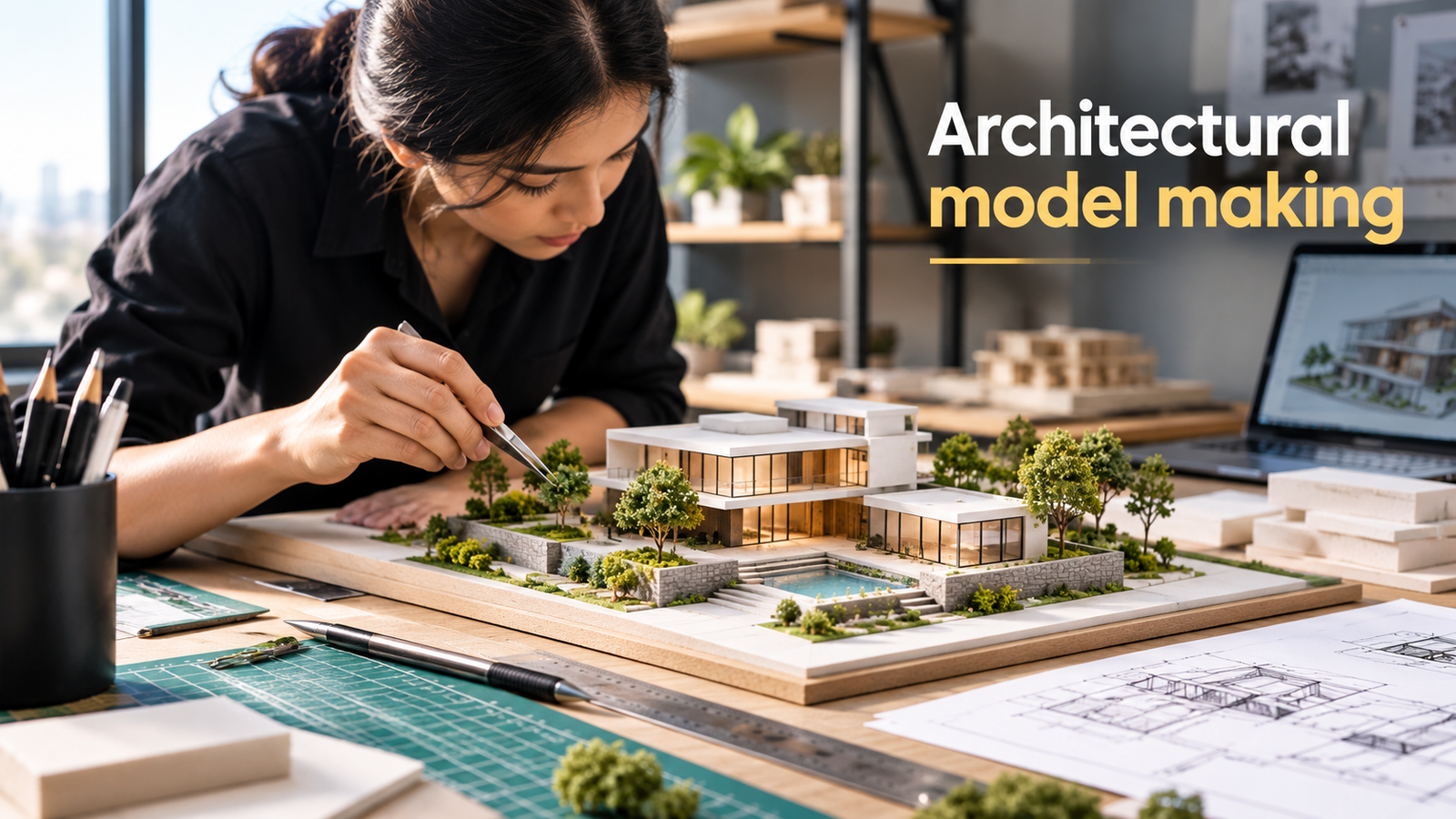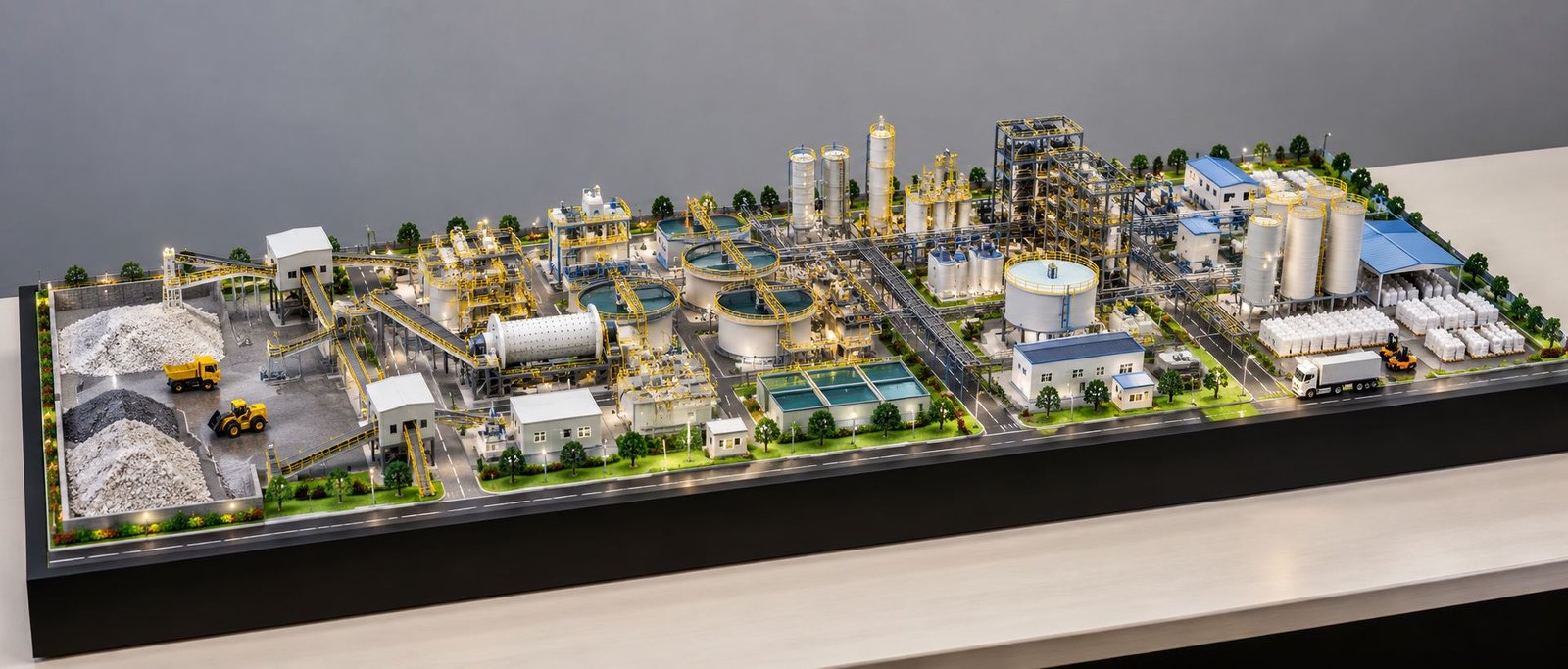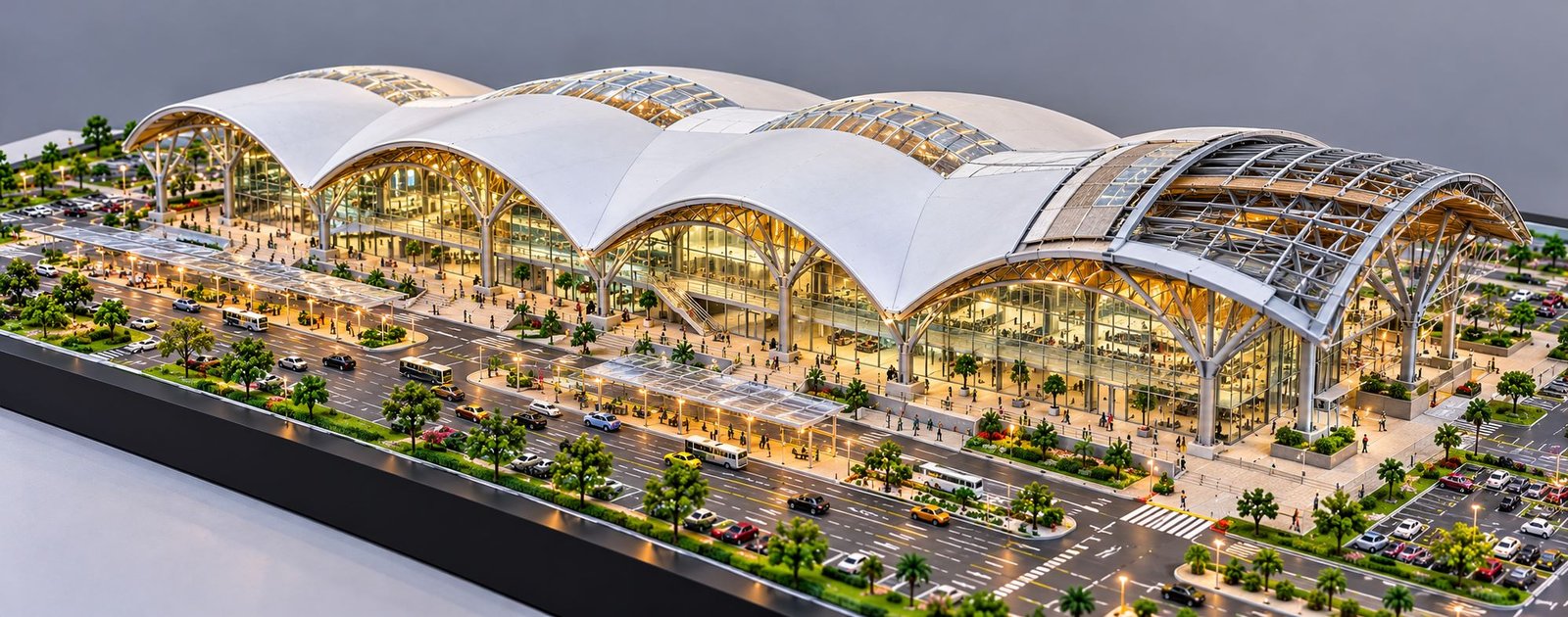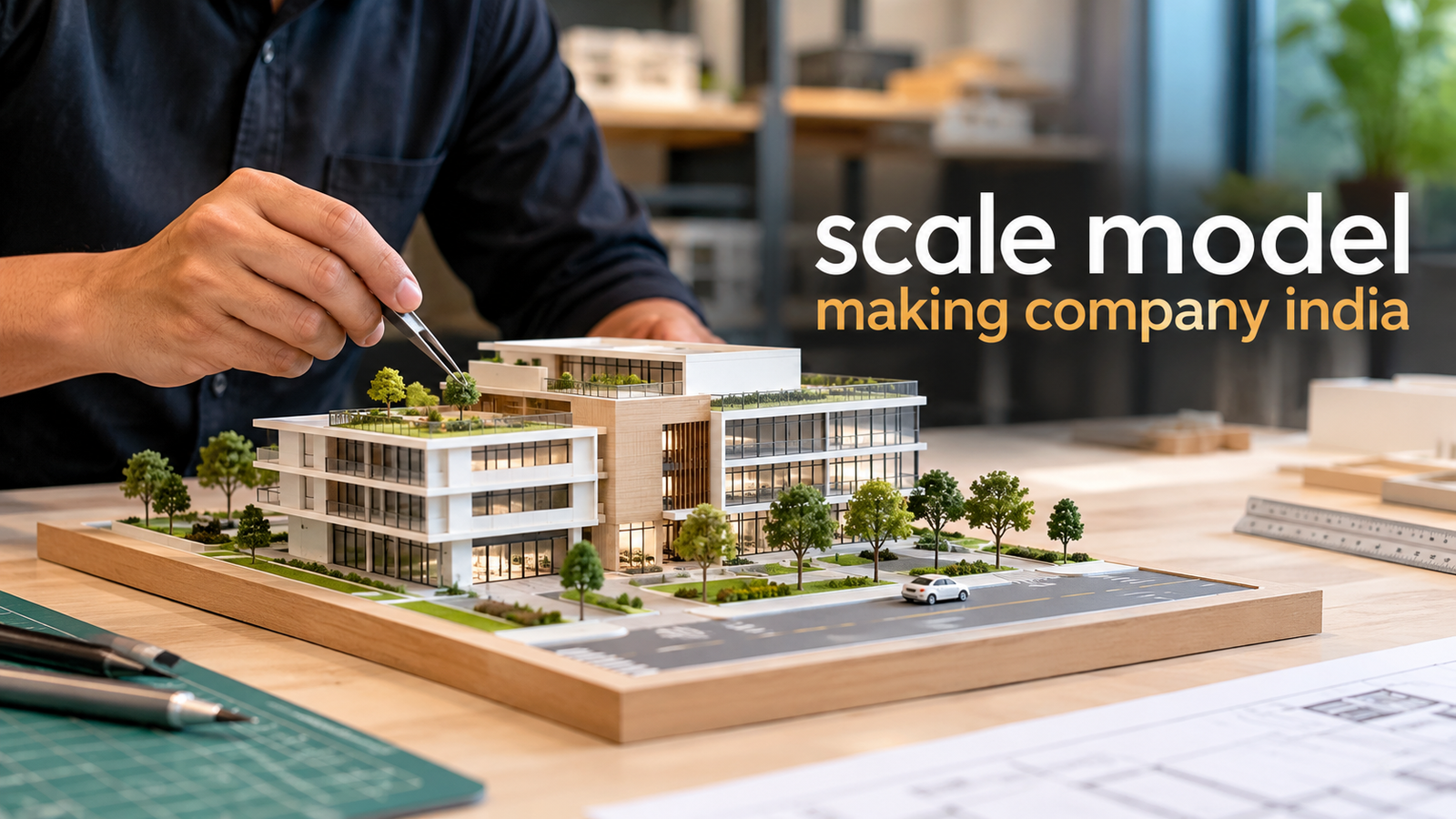
Solar Power Plant Scale Model Making for Renewable Energy Projects in Mumbai
Introduction to Solar Power Plant Model Making in Mumbai
Solar energy plays an important role in modern power generation, industrial development, and sustainable infrastructure planning. As businesses and engineering companies explore renewable energy projects, they need effective ways to present their proposed facilities. A Solar Power Plant Model Making in Mumbai service provides a practical way to represent solar installations, photovoltaic panels, electrical substations, inverters, transmission systems, and supporting infrastructure through a detailed physical model.
Mumbai is a major commercial and industrial centre with connections to engineering, manufacturing, infrastructure, real estate, and energy-related businesses. Moreover, the wider Mumbai Metropolitan Region includes important commercial and industrial locations such as Navi Mumbai, Thane, Panvel, Bhiwandi, Kalyan-Dombivli, and Vasai-Virar. Companies operating in these areas may require physical engineering models to explain renewable energy projects, demonstrate plant layouts, and present technical concepts to clients and project stakeholders.
A professionally designed solar power plant engineering model represents the arrangement of solar panel arrays, mounting structures, inverter stations, transformers, control buildings, internal roads, electrical switchyards, and other project components. Furthermore, a carefully planned display can show how these elements fit together within the available land area.
PAL Design Models provides custom physical model-making solutions for industrial, engineering, architectural, and presentation projects. Each project can follow the client’s CAD drawings, site layouts, reference photographs, technical specifications, and display requirements.
Whether a project is intended for a corporate presentation in Mumbai, an engineering office in Navi Mumbai, an industrial facility in Thane, or a renewable energy exhibition, a customised physical model can help communicate the proposed design clearly.
What Is a Solar Power Plant Engineering Model?
A Solar Power Plant Engineering Model is a physical scale representation of a solar energy generation facility. It shows the major equipment and their relative positions within the project layout.
A typical model may include rows of photovoltaic panels, mounting structures, inverter units, transformer stations, electrical cables, a switchyard, transmission towers, internal roads, fencing, and a control building. Depending on the project, the display may also include battery storage facilities, maintenance areas, drainage arrangements, and landscaped boundaries.
The selected scale determines how much detail the model can accommodate. For example, a compact model may focus on solar panel arrangements and electrical infrastructure. In contrast, a larger model may represent separate equipment zones and access roads.
Physical Solar Plant Models for Engineering Presentations
Physical models provide a clear three-dimensional view of a project. Unlike a flat drawing, a scale model allows viewers to examine the layout from different angles and understand how the equipment relates to the surrounding infrastructure.
Moreover, a well-designed model can bring several engineering elements together on one rectangular baseboard. This approach is useful for technical meetings, project proposals, exhibition displays, and corporate presentations.
Difference Between a Solar Power Plant Model and a Working Solar Model
A solar power plant engineering model usually focuses on the physical layout and appearance of a proposed or existing facility. It may represent solar arrays, inverter stations, electrical infrastructure, access roads, and control buildings without generating electricity.
A working solar model, however, may include small photovoltaic panels, wiring, LEDs, or other functional elements to demonstrate basic energy conversion.
Therefore, the client should confirm whether the project requires a static presentation model, a working demonstration, or a combination of both.
Components Included in a Solar Power Plant Scale Model
A detailed solar engineering model should represent the major plant components in a logical arrangement. The exact selection depends on the available drawings and the purpose of the display.
Solar Photovoltaic Panel Arrays
Solar panels are the main visual feature of a photovoltaic power plant. The model can reproduce multiple panel rows with miniature modules, support frames, and mounting structures.
The designer should maintain consistent spacing and alignment across the arrays. Additionally, the panel orientation should follow the supplied layout whenever technical accuracy is important.
Blue or dark photovoltaic surfaces can help distinguish the panels from the surrounding ground. However, the final colour and appearance should match the reference design as closely as practical.
Solar Panel Mounting Structures
Mounting structures support photovoltaic modules at the required angle and height. A physical model can include miniature frames, support legs, rails, and selected foundation details.
These structures should remain proportionate to the panel arrays. Furthermore, the designer must consider the viewing angle so that the support arrangements remain visible without making the model unnecessarily tall.
Inverter Stations
Inverters convert the direct current generated by photovoltaic panels into alternating current suitable for the relevant electrical system.
A solar power plant model can represent inverter stations as compact electrical enclosures positioned near the solar arrays or within designated equipment zones.
Additionally, the model may include access paths and supporting electrical cabinets. These features help explain the relationship between the solar field and the electrical conversion equipment.
Transformers and Electrical Substations
Transformers and substations form important parts of many utility-scale solar projects. The model can include miniature transformer units, switchgear, electrical equipment foundations, busbar structures, and a fenced switchyard where required.
A larger engineering model can show the connection between inverter stations, transformers, the substation, and the outgoing transmission route. Therefore, the arrangement should follow the approved project layout rather than a generic assumption.
Transmission Towers and Power Distribution
Some solar plant presentations require transmission towers, overhead conductors, or a connection to the external electrical network.
The model maker can add miniature towers and transmission lines where these elements form part of the project scope. In addition, their placement should communicate the intended connection without overcrowding the display.
Control Building and Operations Area
A solar facility may include a control building, monitoring room, maintenance area, security cabin, and equipment storage zones.
These structures can feature miniature doors, windows, roofs, and access roads. Moreover, the designer can place them near the site entrance or designated service area according to the supplied layout.
Roads, Fencing, and Landscaping
Internal roads provide access to different parts of the facility. A physical model can include service roads, vehicle access points, perimeter fencing, gates, and selected drainage or landscape details.
As a result, these elements help define the plant boundary and make the overall presentation more complete.
For a wide, low-height display, landscaping should remain controlled so that it does not hide the main solar arrays or electrical infrastructure.
Solar Power Plant Model Making Services in Mumbai
Businesses across Mumbai and its surrounding industrial region may require solar plant models for presentations, project planning, renewable energy exhibitions, and engineering demonstrations.
A custom model can represent a proposed facility, an existing installation, or a conceptual renewable energy project. Therefore, the design should reflect the intended application and available technical references.
Solar Engineering Model Making for Mumbai Businesses
Mumbai’s commercial environment includes engineering consultants, infrastructure companies, manufacturing businesses, corporate offices, project developers, and exhibition organisers.
These organisations may need physical models to present renewable energy concepts to clients, investors, management teams, or project partners.
For example, an engineering consultant can use a solar power plant model to explain the arrangement of panel arrays and electrical equipment. Similarly, a project developer can use a display model to communicate the overall site layout during a presentation.
Industrial Solar Project Models in Navi Mumbai
Navi Mumbai is an important commercial and industrial area within the wider Mumbai Metropolitan Region. Locations such as Vashi, Turbhe, Airoli, Ghansoli, Kopar Khairane, Mahape, Nerul, Belapur, Kharghar, and Taloja may be relevant to businesses involved in industrial projects, engineering services, and infrastructure development.
A solar power plant model for a company in Navi Mumbai can represent photovoltaic arrays, inverter stations, electrical substations, control buildings, and supporting facilities.
Additionally, a custom display can suit corporate offices, industrial project presentations, and technical exhibitions.
Solar Engineering Models for Thane and Nearby Areas
Thane and nearby industrial and commercial areas contain businesses that may work with manufacturing, engineering, logistics, infrastructure, and energy-related projects.
A physical solar plant model can help these organisations explain equipment placement, site circulation, electrical infrastructure, and the relationship between the solar field and supporting facilities.
Furthermore, the model maker should use the client’s actual drawings and specifications wherever available.
Industrial and Infrastructure Projects in Panvel and Raigad
Panvel and parts of the wider Raigad region are relevant to industrial, logistics, infrastructure, and development projects around Mumbai.
For clients planning renewable energy facilities in these areas, a customised engineering model can present the proposed arrangement of solar panels, internal roads, transformers, and other supporting equipment.
In addition, the model can include selected site features when they form part of the approved project scope.
Mumbai Locations to Target for Solar Power Plant Engineering Models
For local SEO, a service page can naturally reference the major business districts, suburbs, industrial areas, and surrounding cities that form the broader Mumbai market.
South Mumbai and the Island City
Relevant locations include Colaba, Fort, Churchgate, Nariman Point, Cuffe Parade, Marine Lines, Mumbai Central, Byculla, and adjoining commercial districts.
These areas are associated with corporate offices, consulting businesses, project management organisations, and professional services. Therefore, a solar engineering model may support a presentation, client proposal, or corporate display.
Central Mumbai
Dadar, Parel, Lower Parel, Worli, Prabhadevi, Matunga, Mahim, and Sion are useful location references for a Mumbai-focused service page.
Companies working in engineering consultancy, real estate, infrastructure, or commercial development may need physical models for project presentations. Additionally, a custom model can help communicate a proposed facility’s main components.
Western Mumbai Suburbs
The western suburban corridor includes Bandra, Khar, Santacruz, Vile Parle, Andheri, Jogeshwari, Goregaon, Malad, Kandivali, Borivali, and Dahisar.
These locations provide geographic coverage for businesses seeking engineering model-making services in the western part of Mumbai. However, the page should only imply service availability where the company can genuinely serve customers.
Eastern Mumbai Suburbs
The eastern suburban corridor includes Kurla, Ghatkopar, Vikhroli, Bhandup, Mulund, Powai, Chembur, Govandi, and Mankhurd.
A service page can mention these locations where the company intends to serve engineering, industrial, corporate, and infrastructure clients. In addition, location references should remain relevant to the services offered.
Navi Mumbai
Important Navi Mumbai locations include Vashi, Sanpada, Juinagar, Nerul, Seawoods, CBD Belapur, Kharghar, Kamothe, Kalamboli, Panvel, Taloja, Turbhe, Airoli, Ghansoli, Mahape, and Kopar Khairane.
These locations can be relevant to businesses seeking industrial engineering models, renewable energy presentation models, and custom physical displays.
Thane and the Wider Metropolitan Region
Thane, Kalwa, Mumbra, Diva, Kalyan, Dombivli, Ulhasnagar, Ambernath, Badlapur, Bhiwandi, Mira-Bhayandar, Vasai, Virar, and Palghar are additional regional locations to consider.
Panvel and relevant areas of Raigad can also be included when the service coverage extends to those locations. Overall, these location references help distinguish Mumbai city from the wider metropolitan region.
Solar Power Plant Engineering Models for Industrial Exhibitions
Industrial exhibitions offer an opportunity for renewable energy companies, engineering consultants, and project developers to present their projects to a wider audience.
A physical solar power plant model can communicate the layout of a facility more clearly than a collection of individual equipment photographs. Moreover, it can display the main components together within a defined site boundary.
Renewable Energy Exhibition Displays
A model for an exhibition can include solar panel arrays, inverter stations, a substation, internal roads, and a control building.
The designer should maintain a balanced layout so visitors can identify the main equipment from the front and elevated viewing angles. Furthermore, a clean rectangular baseboard can help the model appear organised and suitable for a professional display.
Corporate Presentations and Project Proposals
Project developers may use scale models during client meetings, project reviews, and investment presentations.
The physical display can help explain the proposed site layout and demonstrate the relationship between solar arrays, electrical infrastructure, access routes, and service buildings.
However, the model should support the engineering presentation rather than replace detailed drawings, performance calculations, or project documentation.
Showroom and Office Displays
Solar equipment suppliers and engineering companies may use a completed model in a showroom, reception area, meeting room, or demonstration centre.
The model can include selected labels and company branding when required. Additionally, a protective transparent cover may help reduce dust and protect delicate components.
Designing a Wide and Low-Height Solar Power Plant Model
The display format plays an important role when the model will be used as a website feature image or a physical presentation piece.
A wide layout allows the designer to show multiple solar panel arrays, electrical infrastructure, roads, and buildings across one baseboard. Meanwhile, a relatively low overall height keeps the focus on the solar field.
Rectangular Baseboard Design
A rectangular baseboard provides a clear boundary for the entire model. The designer can divide the available area into solar panel zones, service roads, electrical equipment areas, and control facilities.
A dark outer edge and a clean ground finish can create a professional presentation. In addition, consistent borders help maintain a balanced appearance.
Solar Panel Arrangement and Spacing
Solar panel rows should follow the reference layout whenever accurate project representation is required.
The model maker should maintain consistent spacing and avoid unnecessary overlap between arrays. Furthermore, roads and service paths should remain visible so the overall layout is easy to understand.
Low-Profile Buildings and Electrical Equipment
Control buildings, inverter enclosures, and equipment cabins can use simplified but realistic detailing. Their height should remain proportionate to the solar arrays and the overall display.
Transmission towers may extend above the rest of the model, but their scale and position should match the design requirements.
Lighting and Presentation Finish
Optional LED lighting can represent selected site lights, building interiors, or demonstration indicators. The model can also include a protective acrylic or glass cover when the display requires additional protection.
These features should complement the main solar installation rather than distract from it.
Materials Used in Solar Power Plant Scale Model Making
The choice of materials affects the model’s appearance, weight, durability, and level of detail.
Acrylic and Plastic Materials
Acrylic and suitable plastics can form miniature panels, equipment enclosures, building components, transparent covers, and selected fabricated parts.
The model maker selects materials according to the size and geometry of each component. Moreover, a combination of materials can help reproduce different surfaces more effectively.
3D-Printed Components
3D printing can produce custom inverter housings, transformer enclosures, control cabinets, structural connectors, and other specialised parts.
It is particularly useful when the project requires customised shapes or when the client provides digital design references. However, the final detail depends on the printing method and component dimensions.
Laser-Cut Components
Laser cutting can produce mounting plates, flat panels, building sections, brackets, and selected structural elements from suitable materials.
The model maker can combine these components with manually assembled structures and 3D-printed parts. Consequently, the finished model can include a wider variety of component shapes.
Miniature Landscaping and Ground Detailing
The baseboard may include roads, gravel surfaces, green boundaries, small trees, fencing, and other site details.
These elements help represent the facility’s surrounding environment. Nevertheless, the amount of landscaping should match the project requirements and available space.
Custom Solar Power Plant Models Based on Engineering Drawings
A custom model should reflect the information supplied by the client. This may include CAD files, site plans, general arrangement drawings, equipment layouts, photographs, and technical specifications.
Using CAD Files and Site Layouts
CAD drawings can help the model maker establish the position of panel rows, inverter stations, transformers, access roads, and other structures.
The team can use these references to prepare a physical layout that follows the intended design. Additionally, the drawings help identify important dimensions and component relationships.
Working from Reference Photographs
When detailed drawings are unavailable, reference photographs can help establish the appearance of equipment and buildings.
Multiple views usually provide better information than a single image. Therefore, the client should also share available dimensions and identify any critical features that must appear in the final model.
Custom Branding and Labels
The display can include equipment identification, project labels, a company logo, or a title plate where appropriate.
The designer should confirm the wording and placement of these details before fabrication. Furthermore, small labels may require simplified text to remain readable at the selected scale.
The Solar Power Plant Model-Making Process
A systematic process helps maintain consistency throughout the project.
Requirement Discussion and Design Planning
The team first reviews the purpose of the model, available references, equipment selection, required scale, display dimensions, and budget.
Next, the designer prepares a proposed arrangement of the solar arrays, electrical infrastructure, access roads, and buildings. This layout gives the client an opportunity to review the overall composition before fabrication.
Scale Selection and Layout Approval
The model maker selects a scale that allows the main components to fit comfortably on the baseboard.
The team considers panel spacing, equipment dimensions, road widths, and the required level of detail. After that, the client reviews the layout and confirms the main requirements.
Component Fabrication
The team fabricates the solar panel structures, equipment enclosures, buildings, fencing, and other components using suitable methods.
These methods may include manual model making, laser cutting, 3D printing, and assembled structures. The selected process depends on the component geometry and required finish.
Painting and Detailing
The team applies suitable colours and finishes to the individual components. The solar arrays, equipment enclosures, roads, and buildings receive their selected surface finishes.
In addition, the model maker checks the alignment and spacing of the components before placing them on the baseboard.
Baseboard Assembly and Final Inspection
The team prepares the baseboard and installs the components according to the approved layout.
Finally, the model maker checks the overall appearance, equipment alignment, clean assembly, and requested finishing details. If the project includes a protective cover, the team should confirm its fit and accessibility.
Factors Affecting the Cost of a Solar Power Plant Engineering Model
The cost depends on the model’s size, complexity, material selection, and presentation requirements.
Model Size and Scale
A larger display generally requires more materials and may involve more fabrication work. However, a smaller model with highly detailed electrical equipment can also require considerable effort.
Therefore, the model maker should confirm the dimensions and scale before preparing a quotation.
Number of Solar Panels and Equipment Units
A model with a few solar panel rows requires a different level of effort from a large facility featuring several arrays, multiple inverter stations, transformers, a switchyard, transmission towers, and support buildings.
The number of components and the required detailing affect the production work. Moreover, custom equipment shapes may require additional fabrication.
Materials and Fabrication Methods
3D printing, laser cutting, customised structures, transparent materials, and specialised finishes can affect the total project cost.
The most suitable method depends on the component shape, quantity, accuracy requirements, and final appearance.
Additional Presentation Features
Optional additions may include LED lighting, a protective glass or acrylic cover, a custom display table, miniature labels, and landscaping.
These features can improve the presentation but may increase the overall budget. Consequently, the client should confirm the required additions before production begins.
Why Choose Professional Solar Power Plant Model Making?
Professional model making combines technical interpretation, fabrication skills, layout planning, and presentation design.
A well-planned model maintains consistent proportions and shows the relationship between solar panel arrays and electrical infrastructure. Moreover, careful finishing helps create a clean and professional display.
Custom fabrication can also represent specific equipment arrangements that generic miniature components may not match.
For engineering companies and project developers, the main benefit is a physical representation that supports discussion of the proposed layout. Nevertheless, technical decisions must still rely on approved engineering documentation and relevant project calculations.
PAL Design Models for Solar Engineering Models in Mumbai
PAL Design Models provides custom physical model-making solutions for industrial, engineering, architectural, and specialised presentation projects.
For solar power plant projects, the model can include photovoltaic panel arrays, mounting structures, inverter stations, transformers, electrical substations, control buildings, internal roads, fencing, and selected landscaping.
The design can follow the client’s CAD drawings, site layout, photographs, and equipment specifications. Additionally, the model can use a wide rectangular baseboard and a relatively low profile when the project requires a landscape-format display.
Companies in Mumbai, Navi Mumbai, Thane, Panvel, Taloja, Bhiwandi, Kalyan-Dombivli, Mira-Bhayandar, Vasai-Virar, and other parts of the wider metropolitan region can discuss their project requirements with PAL Design Models.
The final scope depends on the drawings, required scale, level of detail, delivery arrangements, and presentation needs.
To discuss a custom solar engineering model, share your reference photographs, CAD drawings, approximate dimensions, and required equipment list.
Website: https://paldesignmodels.com
Frequently Asked Questions
What is a Solar Power Plant Engineering Model?
It is a physical scale representation of a solar power facility showing photovoltaic arrays, electrical equipment, access roads, and supporting infrastructure.
Can you make a custom solar power plant model from CAD drawings?
A custom model can follow supplied CAD drawings, site plans, equipment layouts, photographs, and other reference material. The final detail depends on the available information.
Can the model include solar panels and an electrical substation?
Yes. Depending on the project, the model can include solar panel rows, inverter stations, transformers, a switchyard, transmission structures, and a control building.
Do you provide solar engineering model-making services for Mumbai and Navi Mumbai?
PAL Design Models can discuss project requirements from Mumbai and surrounding locations, including Navi Mumbai and Thane. The delivery scope and arrangements should be confirmed for each project.
Can the model be used for exhibitions and corporate presentations?
Yes. A customised physical model can support industrial exhibitions, client meetings, project proposals, corporate displays, and engineering demonstrations.
Can you include a protective cover and display table?
A protective acrylic or glass cover and a display table can be included when required. Their dimensions and construction should suit the finished model.
Conclusion
A Solar Power Plant Engineering Model provides a practical way to represent renewable energy infrastructure in a clear physical format. By combining solar panel arrays, electrical equipment, access roads, control buildings, and supporting structures, the model can help explain the overall project layout.
For engineering consultants, renewable energy businesses, infrastructure developers, and industrial organisations in Mumbai and the surrounding metropolitan region, a customised model can support project presentations and exhibition displays.
With suitable references, careful planning, and detailed fabrication, PAL Design Models can develop a physical solar power plant model around the client’s requirements.
To discuss your project, visit https://paldesignmodels.com and share the proposed layout, reference images, dimensions, and preferred presentation format.