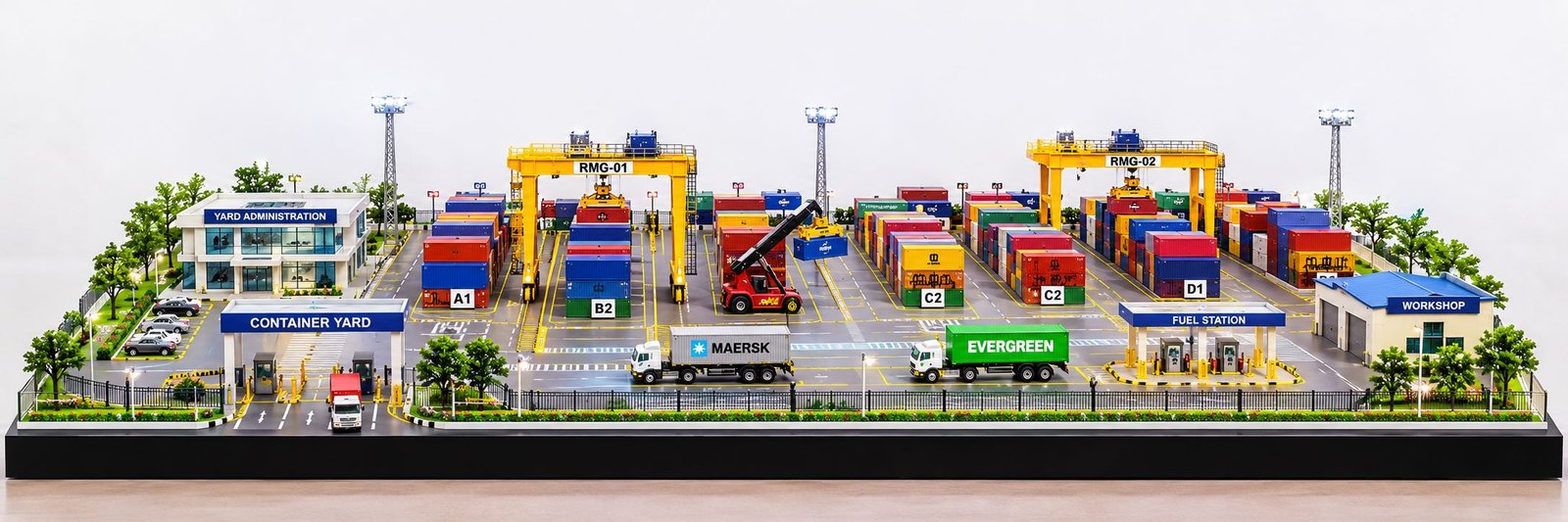
Most people go looking for a physical model at the wrong moment. The drawings are approved, the brochure is half designed, a launch date is already fixed, and somebody in the meeting says, “We should get a model made.” Two weeks later the team is comparing quotes it doesn’t fully understand and hoping for the best.
It doesn’t have to go that way. Choosing a scale model making company india is less about finding the lowest price and more about finding people who understand what the model has to do once it’s sitting in a showroom, a boardroom or a tender hall. This guide covers what to look at, what to ask and what usually goes wrong, so you can decide with a clear head.
Start With What the Model Has to Do
Before you contact anyone, write down who will look at the model and why. A model for a sales gallery has a different brief from one for a municipal approval meeting, and both differ from a model that explains a machine to trainee operators.
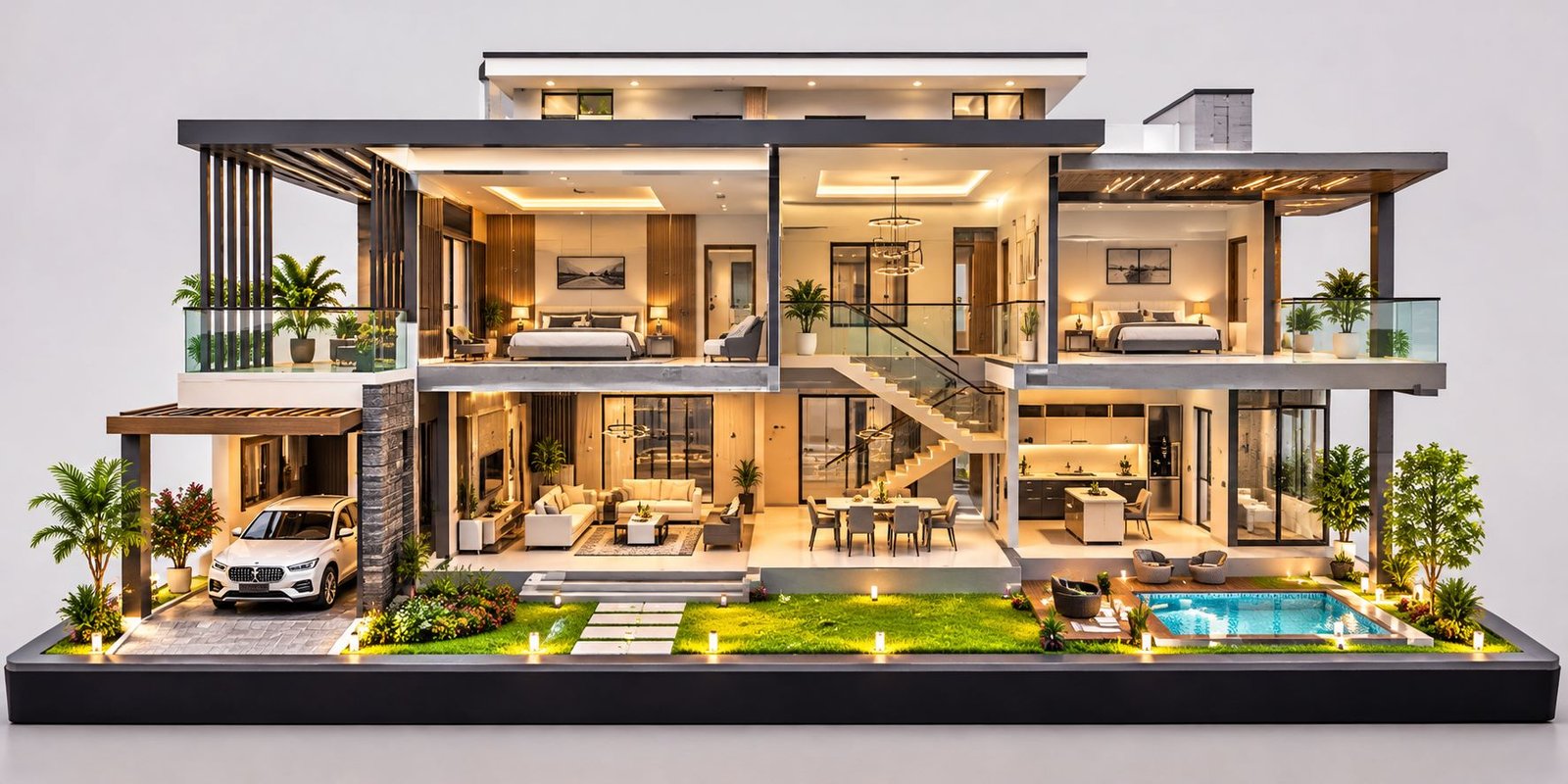
A sales model needs to look good from a few feet away. Buyers want to see where the tower sits, how far the garden is from their balcony and which side catches the morning sun. An approval model needs accuracy first. Officials check setbacks, heights and road widths, and a pretty model with wrong numbers does more harm than a plain one with the right numbers. A training model may need removable panels so people can see inside.
When you share this context in the first conversation, the quotes you get back become far more honest. Vague briefs lead to vague prices, and vague prices turn into arguments halfway through production. Even a half-page note covering audience, venue, deadline and budget will save you several rounds of emails.
Look at Real Work, Not Just Photos
Portfolios can mislead. A website full of glossy pictures mostly tells you the photographer was good. Ask to see projects close to yours in size, subject and material. If you need a township model with two thousand trees, a studio that mostly builds single-villa models may struggle with the volume and the consistency.
Visit the workshop if you can. Ten minutes on the floor tells you a lot: whether there are laser cutters and 3D printers or only hand tools, how the material stock is organised, whether finished models are wrapped properly, and whether the people working there seem to know what they’re doing. A good workshop smells of paint and sawdust and has several projects in different stages, not one showpiece in a glass case.
Ask for references too, and actually call one. A short chat with a past client will tell you about deadlines, surprises and how the studio behaves when something goes wrong. That last part matters more than any brochure.
Understand the Process Before You Sign
A reliable studio will explain its process without being pushed. It usually starts with you sharing drawings, CAD files or even rough sketches. The studio reviews them and flags problems, such as a terrace that doesn’t match the elevation or a dimension that appears twice with different values. Together you settle the scale, base size and level of detail.
Next comes a material and finish plan. Acrylic, MDF, foam board, resin and printed parts all behave differently and cost differently. Then building begins, and a good team sends progress photos at fixed points, perhaps once the base and structure are done and again after painting and landscaping. You get a chance to correct things while they’re still cheap to correct.
The last steps are lighting, a protective cover, packing and delivery. Packing deserves more attention than it gets. Models travel by road, sometimes across states, and a badly crated model can arrive damaged. Ask in advance who takes responsibility if that happens, and whether the studio will send someone to set the model up at your venue.
Pricing, Timelines and Revisions
Price depends on scale, detail, materials, lighting and the size of the base. Two models of the same building can differ by a factor of three if one has interior lighting, detailed landscaping and a custom display case, while the other is a clean white massing model.
Don’t compare quotes line by line unless the scope is written down. Check what’s included: the number of revisions, lighting, the case, transport and installation. Ask what happens when the design changes midway, because it almost always does. A fair studio will have a simple rule, such as free minor corrections before painting and a charge for changes after.
Timelines need the same honesty. A medium-sized project often takes three to six weeks. Rush jobs are possible, but they cost more and leave less room for fixes. If you have a launch event, work backwards from that date and add a week of buffer. Delays rarely start in the workshop. More often they start with drawing approvals that arrive late from the client side.
Questions Worth Asking on the First Call
Short, specific questions get you further than a long checklist. Try these. Who will actually work on my model, and is it the same team that sold it to me? Which files do you need from me, and in what format? What scale would you suggest for this project, and why? How many correction rounds are included? What happens if the model is damaged in transit? Can I see something similar to what you’re proposing?
Notice how they answer. Clear, plain replies are a good sign. If every answer comes wrapped in jargon, or the studio keeps saying “we’ll see,” keep looking. You aren’t being difficult. You’re about to spend real money on something that can’t easily be redone the week before a launch.
It also helps to name one person on your side as the single point of contact. Models go wrong when three people send three different sets of comments. Collect the feedback internally, merge it, and send one message. The studio will appreciate it, and your model will come out better for it.
Red Flags and Good Signs
A few things should make you slow down. If a studio agrees to everything without asking a single question, that’s a warning. If it can’t name any past clients, ask why. If a quote arrives within an hour and nobody asked about scale or purpose, it’s probably a template. And if the agreement says nothing about delivery terms, ownership of the model or what happens on cancellation, ask for those to be added.
Watch how they communicate, too. During the first week you’ll get a feel for how they handle emails, calls and feedback. People who are slow before they’ve been paid tend to be slower after.
On the other hand, a studio that points out a flaw in your drawing, suggests a cheaper material that works just as well, or tells you honestly that your deadline is too tight is usually worth keeping.
Why Range Matters
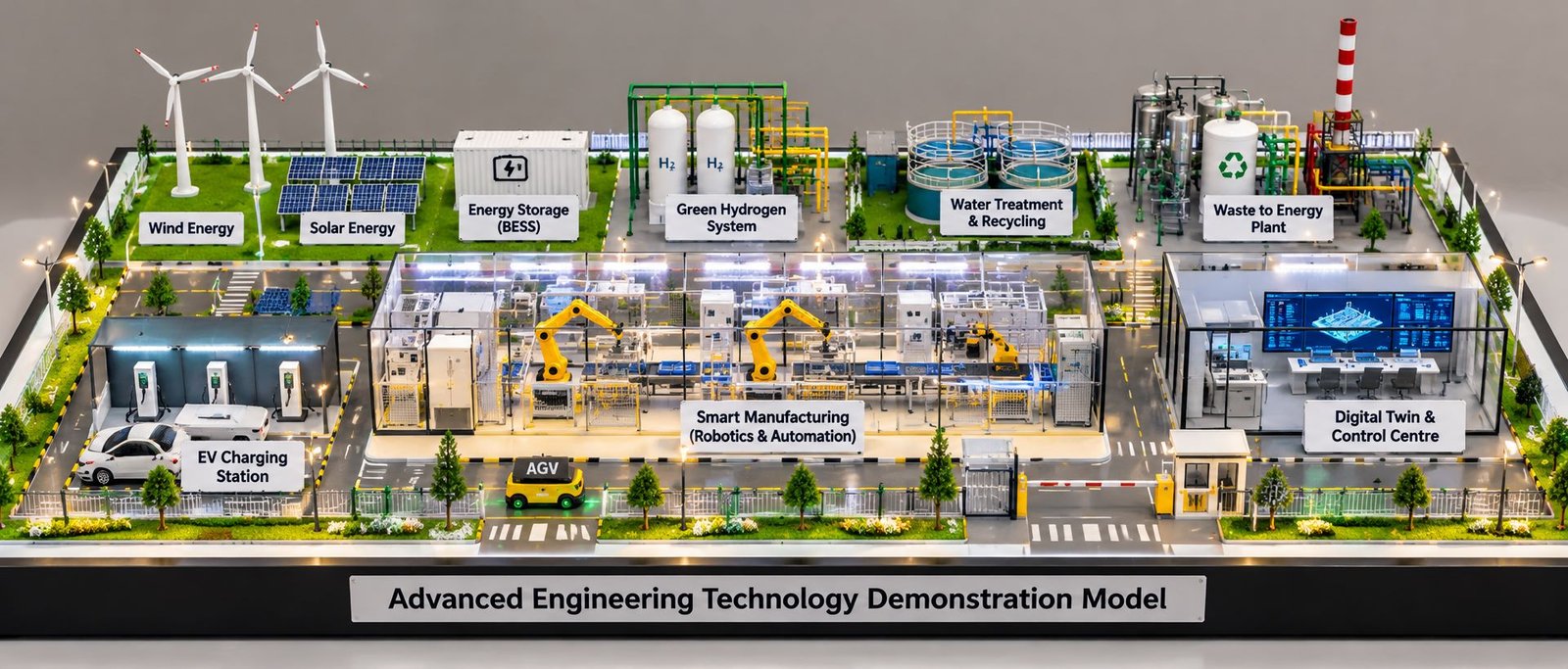
One more point worth thinking about is range. Some studios only do real estate models. Others also handle product prototypes, factory layouts and machinery demonstrations. A broader scale model making company india tends to have more tools on the shop floor and more problems already solved. The person who worked out how to show a conveyor line at 1:50 has probably picked up tricks that help with a difficult podium design.
That crossover matters for you as a client. If your project grows, say from one building to a full masterplan, or from a concept to a working demonstration, you won’t have to restart your search from zero.
Local Know-How and Fair Payment Terms
Working with a studio in your own country, ideally your own region, has practical benefits. Site visits are easy, courier times are short and nobody has to chase a vendor across time zones. Local makers also understand Indian realities: monsoon humidity that warps cheap board, power cuts that matter when a model has lights, and approval meetings where a large group of people all want to touch the model.
Language and industry habits count too. A team that is familiar with terms like carpet area, FSI, podium and refuge floor will read your drawings faster and make fewer wrong assumptions. That alone can shave days off the schedule and keep the revision count low.
Payment terms deserve a look as well. A common pattern is an advance to start, a second payment at the halfway point and the balance on delivery. Be wary of anyone asking for full payment upfront, and be fair in return by clearing milestone payments on time. Studios that get paid promptly tend to prioritise your job.
Final Thoughts
Choosing a model maker is a small decision with a long tail. The model will sit in front of buyers, investors, officials or students for months, sometimes years. Take the time to define the brief, look at real work, understand the process and read the quote properly. Then pick the scale model making company india that treats your project as if it matters, not as one more order in the queue.