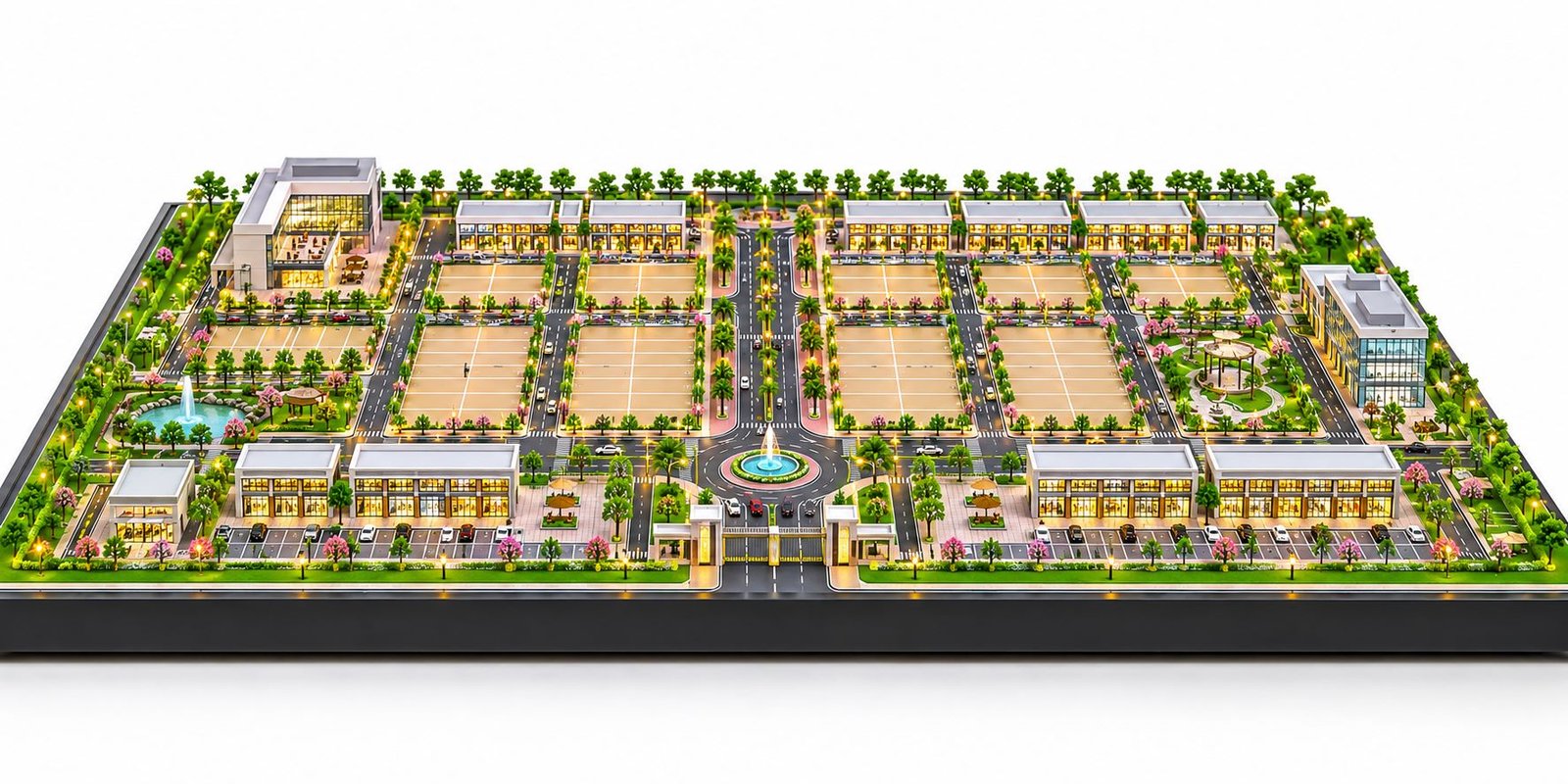
Digital Twin Industrial Automation Model for Smart Manufacturing
Introduction to Digital Twin Industrial Automation Model
Modern manufacturing industries use advanced machines, robotics, sensors and automation systems to improve production efficiency. At the same time, manufacturers need better ways to monitor equipment, understand production processes and plan future improvements. Digital twin technology helps engineers connect physical industrial equipment with a digital representation of its behaviour.
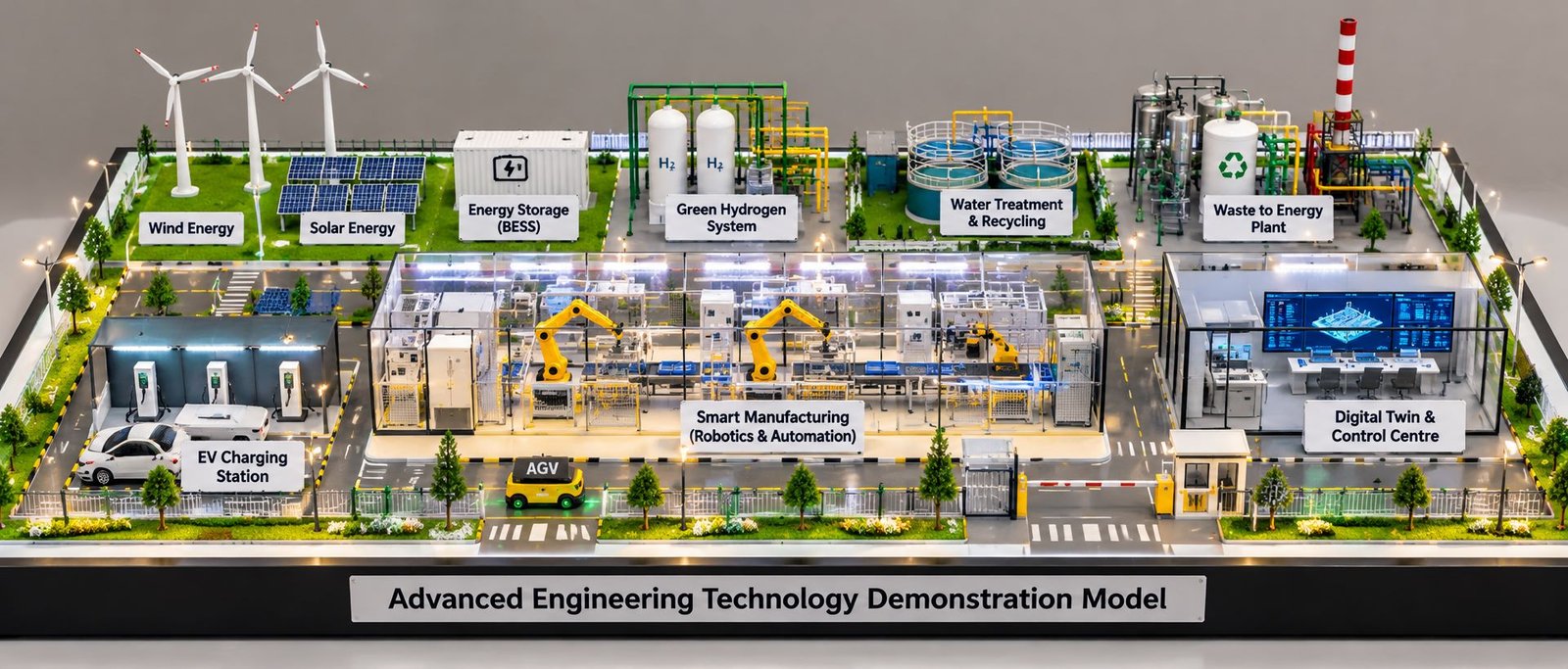
A Digital Twin Industrial Automation Model demonstrates how a smart factory combines physical machinery with digital monitoring and industrial automation. The physical model can include conveyor belts, robotic arms, automated production lines, machine inspection stations, electrical control panels and material handling systems. In addition, a digital monitoring display can explain how sensors collect information and how software presents machine performance.
PAL Design Models can develop customised industrial scale models that help businesses present complex engineering concepts in a clear and professional manner. A well-designed physical model allows viewers to understand the arrangement of machines, the movement of materials and the connection between different production stages.
Furthermore, a Digital Twin Industrial Automation Model can demonstrate important Industry 4.0 concepts, including smart manufacturing, predictive maintenance, industrial robotics and the Industrial Internet of Things (IIoT).
Unlike a simple factory layout, a detailed physical scale model presents equipment in three dimensions. Consequently, engineers, project managers, industrial consultants and business clients can understand the production environment more easily.
What Is a Digital Twin in Industrial Automation?
A digital twin is a virtual representation of a physical machine, industrial process, production line or complete manufacturing facility. Depending on the application, the digital representation can display equipment status, process measurements, production performance and simulated operating conditions.
In industrial automation, sensors collect information from physical machines. Industrial controllers and communication systems then transfer relevant information to connected software. The software uses this information to update the digital representation of the equipment or production process.
For example, a manufacturing plant may use an automated conveyor system to transfer components between machining and assembly stations. Sensors detect component movement, while a programmable logic controller manages the equipment sequence. A connected digital twin can represent the production line and display selected operating information.
Moreover, engineers can use suitable simulation software to examine production bottlenecks, evaluate alternative machine arrangements and understand how changes may affect manufacturing performance.
A physical Digital Twin Industrial Automation Model presents the factory equipment and its arrangement. However, a fully connected digital twin requires an appropriate digital representation, relevant data connections and a method for updating the representation using information from the physical system.
Therefore, a physical scale model and a digital twin are related but different concepts. A miniature factory demonstrates the physical engineering arrangement, while an integrated digital twin system also connects that arrangement with operational data or suitable simulation functions.
Importance of Digital Twin Technology in Smart Manufacturing
Manufacturing facilities often contain many interconnected machines, control panels, sensors and material handling systems. As production becomes more automated, engineers need better ways to understand how these components work together.
Digital twin technology helps manufacturers examine physical assets through a connected digital environment. In addition, it can support process analysis, maintenance planning and production improvement.
Real-Time Production Monitoring
Production monitoring helps engineers understand the operating condition of machines and production lines. A digital twin dashboard can display selected information, including machine status, production counts, operating temperatures and cycle times.
For example, a monitoring system may show whether a conveyor is running or whether a particular workstation has stopped. As a result, operators can identify production interruptions more quickly.
A physical industrial automation scale model can demonstrate this concept through miniature sensors, machine indicators, a control station and a compact monitoring screen.
Predictive Maintenance
Unexpected equipment failures can interrupt production and increase maintenance expenses. Predictive maintenance uses equipment data and analytical methods to identify patterns that may indicate developing faults.
For instance, a motor may produce unusual vibration or show a gradual increase in operating temperature. A connected monitoring system can analyse these measurements and help maintenance teams investigate the problem.
Furthermore, a digital twin can support the analysis of equipment behaviour under different operating conditions. However, accurate predictions depend on suitable data, reliable analytical methods and an appropriate model.
Improved Production Planning
Manufacturers often need to change machine layouts, add production equipment or increase manufacturing capacity. Digital models and simulation tools can help engineers evaluate proposed changes before they modify the actual facility.
Similarly, a physical factory scale model helps project teams review machine locations, conveyor routes, safety areas and material storage arrangements.
Consequently, a combination of physical model making and digital simulation can improve communication during industrial planning meetings.
Better Quality Control
Automated inspection systems can examine components, identify defects and verify product specifications. A connected digital twin may help engineers analyse inspection results and understand quality trends.
For example, a manufacturing line may use a machine vision camera to inspect component dimensions or surface defects. The system can record inspection results and display relevant information on a monitoring dashboard.
In addition, a physical scale model can include a miniature inspection station, robotic handling equipment and a finished-product area to demonstrate the complete workflow.
Main Components of a Digital Twin Industrial Automation Model
A professional Digital Twin Industrial Automation Model should focus on realistic physical machinery and a logical production arrangement. The digital display should support the presentation rather than replace the industrial equipment.
Automated Material Handling System
The material handling section represents how raw materials enter the factory and move towards different manufacturing stations.
A detailed model can include storage racks, pallets, miniature conveyor belts, inclined feeders, transfer platforms and industrial transport vehicles. These components demonstrate how materials move from storage to the production line.
For example, the model can show pallets of raw materials near a storage area. An inclined conveyor then transfers materials towards the first processing station.
Moreover, clear floor markings and carefully arranged equipment can make the material flow easier to understand.
Conveyor-Based Production Line
The conveyor system forms the central part of many industrial automation models. It connects workstations and moves components through the manufacturing process.
A realistic miniature production line can include belt conveyors, roller conveyors, transfer tables, guide rails, drive motors and component carriers.
The conveyor route should connect the main manufacturing stages in a logical sequence. Therefore, viewers can follow the movement of materials from the incoming goods area to the finished-product section.
A wide rectangular baseboard provides enough space to display a complete production line while maintaining a low overall model height.
Industrial Robotic Arms
Industrial robotic arms perform tasks such as material handling, assembly, welding, sorting and packaging. Manufacturers use these robots to improve consistency and automate repetitive operations.
A physical scale model can include several miniature robotic arms along the conveyor system. Each arm should perform a clearly defined role within the production sequence.
For example, one robotic arm can transfer components between workstations, while another can represent automated assembly. A third arm can handle finished products near the packaging section.
Additionally, protective fencing and transparent machine enclosures can improve the appearance and realism of the model.
Automated Manufacturing Machines
Automated manufacturing machines perform specific operations on raw materials or components. Depending on the project, the model may include miniature CNC machines, drilling stations, assembly units and enclosed processing equipment.
Each machine should have realistic proportions, a suitable base, visible access doors and an appropriate position along the conveyor route.
Furthermore, small operator panels and cable entry points can add engineering detail without making the model visually crowded.
Sensors and Industrial IoT Devices
Sensors help industrial equipment detect changes in its operating environment. Manufacturers use proximity sensors, photoelectric sensors, temperature sensors, pressure sensors and vibration monitoring devices for different applications.
A Digital Twin Industrial Automation Model can represent these devices at important locations along the production line.
For example, a proximity sensor can detect whether a component has reached a workstation. The controller can then use this information to coordinate the next operation.
Similarly, temperature and vibration sensors can represent the monitoring of selected machine conditions.
Industrial IoT technology connects suitable devices and software platforms so that engineers can collect and analyse operational information.
PLC Control Panel
A Programmable Logic Controller (PLC) manages industrial automation sequences by processing input signals and controlling connected equipment.
A detailed physical model can include a miniature electrical cabinet with control modules, input/output sections, motor drives and communication equipment.
In addition, a small Human-Machine Interface (HMI) can display selected operating information or represent an operator control station.
The control cabinet should look like a real industrial enclosure rather than a decorative box. Appropriate proportions, access doors, mounting details and cable entry points can improve its appearance.
Quality Inspection and Packaging Station
Quality inspection and packaging form important stages of an automated production process.
The model can include a machine vision inspection enclosure, component sorting equipment, a robotic packaging arm and a finished-goods conveyor.
After inspection, the production line can transfer approved components towards the packaging area. Finally, the model can display finished cartons or assembled products near the dispatch section.
This arrangement helps viewers understand the complete journey from raw materials to finished goods.
Role of PLC, SCADA and Industrial IoT
Digital twin systems depend on suitable methods for collecting, communicating and analysing information. PLCs, SCADA systems and industrial IoT technologies can support this process.
Programmable Logic Controller (PLC)
A PLC controls industrial equipment according to programmed logic. It receives signals from sensors and operates connected motors, actuators and other devices.
For example, a PLC can start a conveyor when a sensor detects an incoming component. It can then coordinate the movement of the component towards the next workstation.
A working demonstration model can use a suitable controller to operate miniature motors, indicator lights and selected sensors.
Supervisory Control and Data Acquisition (SCADA)
SCADA systems help operators monitor and supervise industrial processes. A SCADA interface can display equipment status, process measurements, alarms and production trends.
For a digital twin demonstration, the control room can include one main front-facing monitor with a simple dashboard. The screen can display the same production line shown on the physical model.
Consequently, viewers can compare the physical equipment with its digital representation without losing sight of the main industrial installation.
Industrial Internet of Things (IIoT)
The Industrial Internet of Things connects industrial devices, sensors and software applications. This connection allows manufacturers to collect data from different parts of a production system.
For example, sensors can send equipment measurements to a gateway, which transfers relevant information to a monitoring application.
Depending on the system requirements, industrial communication technologies such as MQTT and OPC UA can support data exchange.
However, engineers must select suitable protocols and security arrangements for each application.
Human-Machine Interface (HMI)
An HMI allows operators to view information and interact with industrial equipment. It may display machine status, production counts, alarm messages and selected operating parameters.
A miniature HMI can form part of the control cabinet or a separate operator desk. In either case, the interface should complement the physical factory layout.
How a Digital Twin Industrial Automation System Works
A connected digital twin system combines physical operations, data collection, digital representation and operational analysis.
Physical Production
First, raw materials enter the factory through the material handling system. Conveyors move the components towards machining, assembly and inspection stations.
Robotic arms then transfer components between workstations, while automated machines perform their assigned operations.
Sensor Data Collection
Next, sensors collect information about component positions, machine conditions and production activity.
For example, a photoelectric sensor can detect a component on a conveyor. A temperature sensor can measure the operating condition of a motor.
These measurements provide information about the physical manufacturing process.
Data Transmission
The control system collects relevant sensor signals and communicates selected information to connected software.
Industrial gateways and suitable communication protocols can connect equipment that uses different control and networking technologies.
As a result, the monitoring platform receives the information required for its intended purpose.
Digital Representation
The software updates the corresponding digital representation using available operational data.
The interface can display equipment status, production progress and selected machine measurements. Moreover, suitable simulation tools can help engineers evaluate alternative operating conditions.
Analysis and Improvement
Finally, engineers examine the information and identify opportunities to improve production performance.
For example, they may investigate recurring machine stoppages, review production bottlenecks or plan maintenance activities.
Where the system supports validated feedback control, engineers may also use approved control commands to influence physical equipment. Such functionality requires suitable engineering, safety measures and system integration.
Applications of Digital Twin Industrial Automation Models
Smart Factory Planning
Manufacturers can use industrial scale models to explain the arrangement of machines, production lines, storage areas and automation systems.
A physical model helps project teams understand equipment relationships and material movement during planning meetings.
Industrial Automation Project Presentations
Automation companies often need to explain technical proposals to clients, project directors and management teams.
A detailed physical model presents the proposed factory arrangement in three dimensions. In addition, a digital monitoring display can demonstrate how the proposed system will collect and present operational information.
Manufacturing Plant Expansion
Factories may need to add new machines, extend conveyors or change production routes as demand increases.
A physical scale model allows teams to examine proposed changes before implementing them. Consequently, stakeholders can discuss equipment positions, production flow and available floor space more clearly.
Industry 4.0 Demonstration Projects
Engineering colleges, research centres and industrial training facilities can use digital twin demonstration models to explain connected manufacturing concepts.
For example, the model can show robotic workstations, industrial sensors, control panels and a monitoring dashboard in one integrated presentation.
Industrial Exhibitions
A professionally designed Digital Twin Industrial Automation Model can help businesses present their automation capabilities at exhibitions and technology events.
A wide layout, realistic machinery and clean background can make the physical equipment easy to view. Furthermore, compact labels and a well-positioned monitor can explain the main engineering features.
Design Considerations for a Professional Physical Scale Model
The quality of a physical industrial model depends on equipment detailing, layout accuracy, proportions and presentation.
Wide Layout and Low Height
A wide, low-height design works well for website feature images and industrial presentations. It provides enough space to display the production line without making the model excessively tall.
The conveyor system can run horizontally across the baseboard, while robotic arms, inspection stations and enclosed machines occupy the main production area.
Taller components, such as material storage racks or hoppers, should remain proportionate to the rest of the installation.
Realistic Machinery Details
A professional model should contain physical miniature equipment rather than printed images of machines.
Important details include robotic joints, conveyor rollers, drive motors, machine housings, safety fences, cable trays, electrical cabinets and operator panels.
Moreover, consistent proportions and realistic component placement help create a convincing industrial environment.
Logical Production Flow
The model should communicate the manufacturing process clearly. Raw material storage should connect to the incoming material handling system, followed by processing, assembly, inspection and packaging.
Therefore, viewers can follow the production sequence without confusion.
Balanced Digital Display
The digital monitoring display should support the physical model. One front-facing monitor is usually sufficient for a compact presentation if it clearly represents the digital twin interface.
The display can show a factory layout, selected machine indicators and production statistics. However, it should not dominate the scene or obscure the machinery.
Professional Baseboard and Finish
A rectangular baseboard provides a clear boundary for the complete installation. A neutral or dark industrial finish can create contrast against metallic machines, green conveyor belts and yellow robotic arms.
In addition, floor markings, safety zones and carefully positioned labels can improve the overall presentation.
For a website feature image, the entire model should remain visible against a clean white background. A horizontal composition also provides space for the complete factory layout.
Benefits of Digital Twin Technology
Digital twin technology can support industrial operations in several ways when engineers implement it with suitable data and software.
Better monitoring: Engineers can examine equipment conditions through a connected digital representation.
Improved maintenance planning: Sensor information and analytical tools can help identify possible equipment problems.
Production optimisation: Simulation and performance analysis can help teams examine bottlenecks and evaluate alternative production layouts.
Improved collaboration: Engineering and operations teams can use a shared digital representation to discuss production issues.
More informed decisions: Operational measurements and historical records can help engineers evaluate potential improvements.
Better planning: Digital models can help teams assess selected changes before they modify physical equipment.
However, these benefits depend on data quality, model accuracy, integration and the specific application. A digital twin does not automatically guarantee lower costs or higher production output.
Challenges in Implementing Digital Twin Systems
Although digital twin technology offers important opportunities, manufacturers must address several practical challenges.
Data Integration
Different machines may use different control systems and communication protocols. Therefore, engineers must plan how the system will collect and combine relevant information.
Model Accuracy
The digital representation must reflect the physical equipment and the operating behaviour relevant to its intended purpose. Engineers should update the model whenever important equipment or process changes occur.
Cybersecurity
Connected industrial systems require suitable access controls, network protection and security procedures. Consequently, the digital twin architecture should follow the facility’s operational and cybersecurity requirements.
Implementation Costs
Sensors, software, communication equipment and integration work can increase project costs. Manufacturers should select an implementation scope that matches their operational needs.
Technical Expertise
Digital twin projects often require mechanical engineering, industrial automation, networking and software expertise. In addition, teams need suitable procedures to maintain the digital representation over time.
Why Choose PAL Design Models for Industrial Model Making?
PAL Design Models provides customised physical scale models for industrial, architectural and engineering presentations. For a Digital Twin Industrial Automation Model, the design can focus on realistic factory equipment, detailed machinery and a logical production arrangement.
The project can include conveyor systems, robotic arms, automated manufacturing stations, inspection equipment, PLC control panels, material storage areas and a compact digital monitoring display.
Furthermore, the design can follow the client’s reference drawings, equipment layout and presentation requirements.
A custom industrial model can help companies explain their manufacturing concepts to clients, engineering teams, investors and exhibition visitors. The physical installation also gives viewers a clear understanding of equipment positioning and the relationships between production stages.
The exact model dimensions, materials, level of detail and working features should depend on the project brief. If the client requires live demonstrations, suitable motors, sensors, controllers and displays can be incorporated where technically appropriate.
Visit the PAL Design Models website to explore industrial and engineering model-making services.
Future of Digital Twin Technology in Manufacturing
Digital twin technology continues to develop alongside industrial robotics, artificial intelligence, machine vision and connected manufacturing systems.
Artificial intelligence can help engineers analyse operating data and identify unusual equipment behaviour. Similarly, machine vision can support automated inspection, while simulation tools can help evaluate alternative production arrangements.
Edge computing can process selected information close to the equipment, while cloud platforms can support wider data analysis where the application permits.
As these technologies develop, manufacturers will have more opportunities to connect physical production systems with digital engineering tools.
However, successful implementation will still depend on reliable data, appropriate software, secure communication and well-defined operational objectives.
Physical industrial scale models will remain useful for communicating these complex systems. By combining realistic machinery with a carefully designed digital monitoring element, a Digital Twin Industrial Automation Model can help viewers understand the relationship between physical manufacturing and digital technology.
Conclusion
A Digital Twin Industrial Automation Model demonstrates how physical factory equipment can work alongside digital monitoring and connected automation systems. It brings together conveyor belts, robotic arms, industrial machines, sensors, PLCs and monitoring interfaces within one organised engineering presentation.
For the best results, the physical machinery should remain the main feature. A logical production sequence, realistic equipment details, a wide rectangular baseboard and a compact digital display can create a clear and professional model.
PAL Design Models can develop customised industrial and engineering scale models according to project requirements. Whether a company wants to present a smart factory, explain Industry 4.0 concepts or demonstrate an automated production line, a well-designed physical model can communicate the engineering concept effectively.
Businesses planning an industrial presentation can use a customised model to illustrate manufacturing processes, equipment arrangements and the relationship between physical machinery and digital monitoring technology.