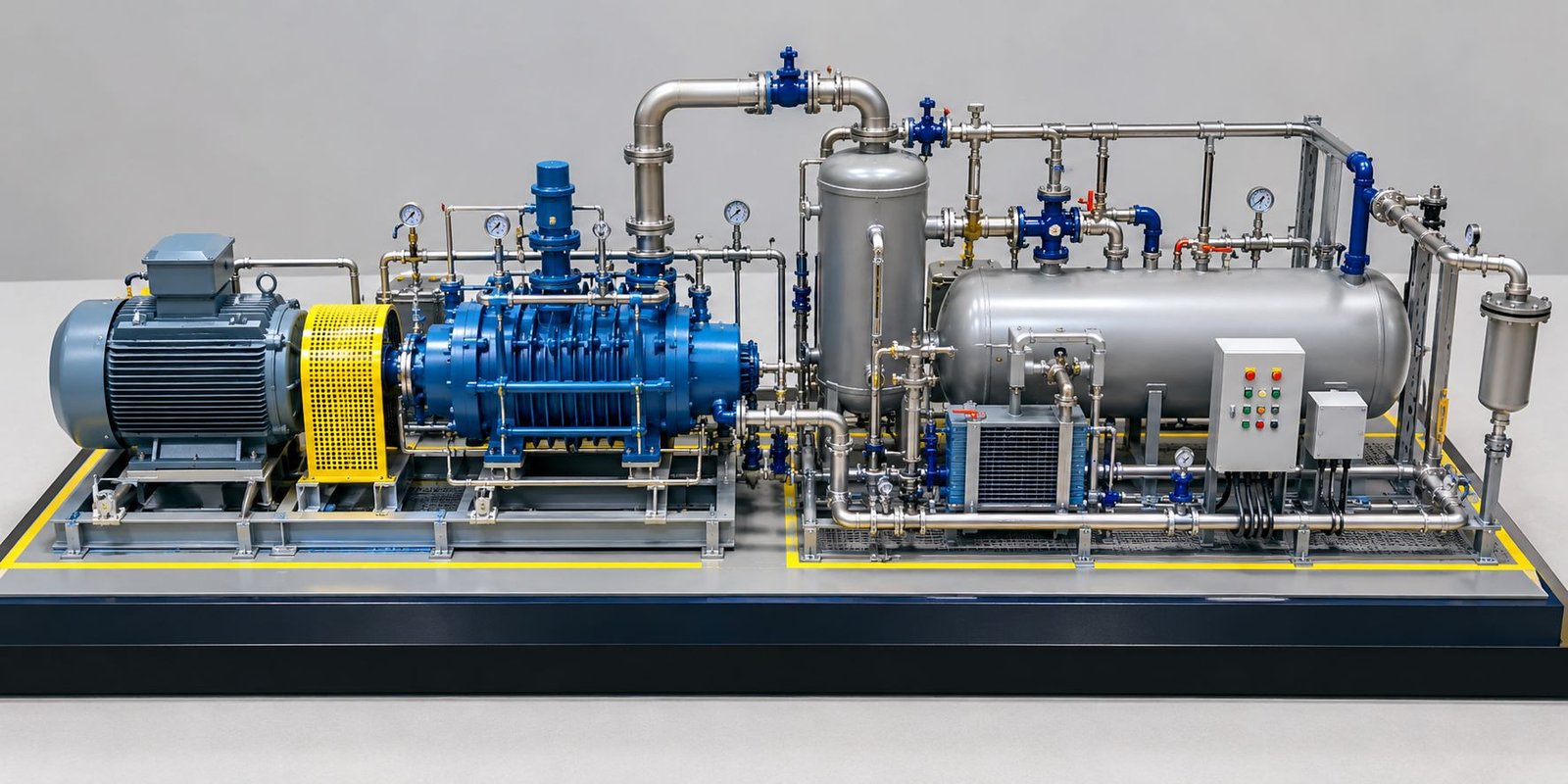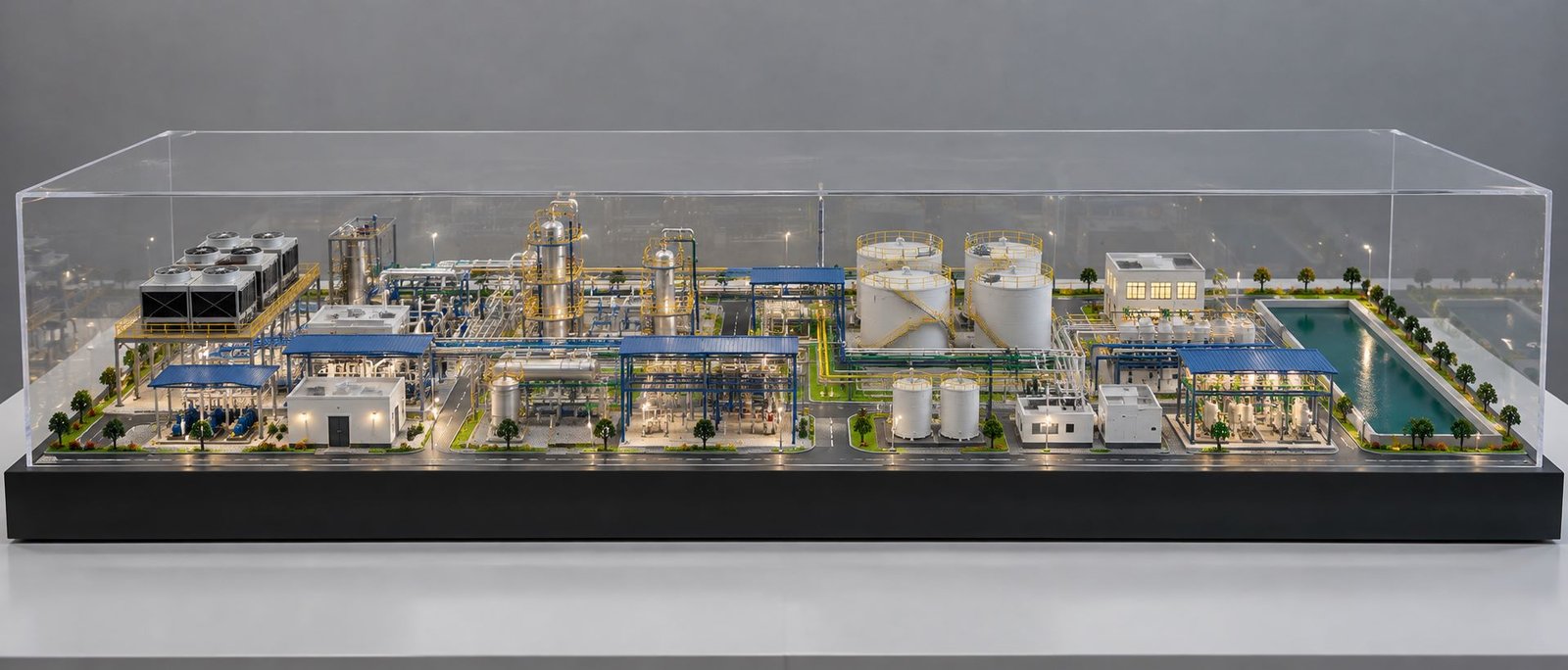
Dam Water Flow Demonstration Models: Detailed Working Models for Water Flow and Dam Engineering
Dams play an important role in water management, irrigation, flood control, and hydroelectric power generation. However, many people find it difficult to understand the complete working of a dam from engineering drawings alone. Dam Water Flow Demonstration Models solve this problem by showing the complete water system in a clear and realistic way.
A well-designed model can show the reservoir, dam wall, spillway gates, water channels, powerhouse, roads, surrounding hills, and downstream area in one physical display. A working version can also demonstrate actual water movement. As a result, engineers, students, project teams, clients, and visitors can understand the basic operation of a dam more easily.
Modern model-making techniques also allow manufacturers to add realistic terrain, miniature buildings, LED lighting, moving gates, pumps, transparent water channels, and other technical details. Therefore, a simple scale model can become a complete engineering demonstration system.
What Are Dam Water Flow Demonstration Models?
A Dam Water Flow Demonstration Model is a physical scale model that represents the structure and operation of a dam project. The model focuses not only on the appearance of the dam but also on the movement and management of water.
A standard display model may show the reservoir and dam structure. In contrast, a working model uses a small pumping and circulation system to demonstrate water movement.
For example, water can move from a lower collection tank into the reservoir. From there, it can flow toward the dam and pass through miniature spillway gates. The water then reaches the downstream channel and returns to the collection area.
This continuous cycle creates an easy-to-understand demonstration of water flow.
Moreover, the model can represent different engineering features according to the requirements of a particular project.
Why Use a Dam Water Flow Model?
Dam projects often contain many technical components. Engineers may use drawings, CAD files, 3D visualizations, and technical documents to explain these components. However, a physical model gives viewers a direct three-dimensional understanding.
For example, a viewer can immediately see the relationship between the reservoir, dam wall, spillway, powerhouse, and downstream channel.
A detailed model can help explain:
- Reservoir water storage
- Dam structure
- Spillway operation
- Water discharge
- Flood control
- Power generation
- Downstream water flow
- Access roads
- Powerhouse location
- Surrounding terrain
- Supporting infrastructure
Furthermore, a physical model can make technical presentations more engaging. Instead of studying several drawings separately, viewers can understand the complete project from one model.
Main Features of a Dam Water Flow Demonstration Model
A professional model can contain many small components. However, the reservoir, dam, spillway, water channel, and surrounding landscape normally form the main elements.
Reservoir
The reservoir represents the water storage area behind the dam. It usually occupies a large section of the model because it helps viewers understand the scale of the project.
Model makers can create a realistic water surface with suitable materials and finishing techniques. They can also add shoreline details, rocks, vegetation, islands, and surrounding hills.
The water surface should look natural while remaining easy to maintain.
Dam Wall
The dam wall remains the central structural element. Depending on the actual project, the model can represent a concrete gravity dam, arch dam, earth-fill dam, or another dam type.
Model makers can add realistic concrete textures, structural joints, access paths, railings, gates, control structures, and maintenance platforms.
These details give the miniature a professional engineering appearance.
Spillway
The spillway controls excess water from the reservoir. During high water levels, the spillway safely releases water toward the downstream area.
In a working model, the spillway can become the main demonstration feature. Water flows through the miniature structure and creates a realistic visual effect.
The model can show several spillway openings if the actual project uses multiple gates.
Spillway Gates
Spillway gates control water discharge. A detailed model can represent these gates with miniature metal, acrylic, resin, or 3D-printed components.
Furthermore, an advanced working model can include movable gates. A small motor or manual mechanism can operate the gates during a presentation.
This feature helps viewers understand how operators control water release.
Downstream Channel
After water passes through the spillway, it moves into the downstream channel. This section connects the dam to the river or lower water body.
The model can include concrete channels, retaining walls, rocks, vegetation, bridges, and other features.
A realistic downstream section makes the water-flow demonstration more effective because viewers can clearly follow the complete route of the water.
How the Water Flow System Works
The water circulation system forms the most important part of a working dam model.
A small pump moves water from a collection tank toward the upper reservoir. The water then travels naturally toward the dam because of gravity.
Next, the water reaches the spillway or controlled opening. It flows downward and creates the appearance of a real dam discharge.
After that, the water enters the lower channel and eventually returns to the collection area.
The pump can then move the water back to the upper section, creating a continuous cycle.
Therefore, visitors can watch the same process repeatedly without manually adding water each time.
Static Dam Model vs Working Dam Model
Not every project requires a water circulation system.
A static dam scale model focuses on the overall project layout. It can show the dam, reservoir, hills, roads, buildings, powerhouse, and other infrastructure.
On the other hand, a working dam model adds actual water movement. This option works especially well for educational demonstrations and technical presentations.
An interactive version can provide even more functionality. For example, users can operate switches to control lights, pumps, or gates.
Therefore, the correct model type depends on the purpose of the project.
Types of Dam Models
Different dam projects require different model designs.
Concrete Gravity Dam Model
A gravity dam uses its own weight to resist the pressure of water. A scale model can show the large concrete structure along with spillways and gates.
Arch Dam Model
An arch dam transfers water pressure toward the surrounding rock formations. A model can highlight the curved shape and surrounding valley.
Earth-Fill Dam Model
Earth-fill dams use compacted soil and other materials. A model can show the embankment, water reservoir, drainage system, and surrounding landscape.
Hydroelectric Dam Model
A hydroelectric project includes additional components such as water intake structures, turbines, powerhouse buildings, transformers, and transmission systems.
A detailed model can bring all these elements together.
Hydroelectric Power Generation in the Model
Many large dams generate electricity. In such projects, water travels through an intake structure and reaches turbines inside the powerhouse.
The turbines convert the energy of moving water into mechanical energy. Generators then convert that energy into electrical power.
A physical model does not always need to reproduce the complete internal machinery. However, it can clearly show the relationship between the reservoir, intake, water passage, powerhouse, and tailrace.
Furthermore, miniature transformers and transmission towers can represent the electrical side of the project.
Landscape Detailing
The surrounding landscape can greatly improve the appearance of a dam model.
Real dam projects often occupy mountainous or hilly areas. Therefore, a realistic model should represent the natural terrain around the structure.
Model makers can create:
- Rocky hills
- Slopes
- Forest areas
- Trees
- Grass
- Riverbanks
- Roads
- Retaining walls
- Small bridges
- Access paths
These details create a stronger connection between the engineering structure and its natural surroundings.
Roads and Bridges
Large dam projects require roads for construction, operation, maintenance, and public access.
A scale model can show winding roads along the hills and access routes toward the dam.
Small bridges can connect different sections of the project. Road markings, guardrails, streetlights, and retaining walls can further improve the visual quality.
As a result, viewers can understand not only the dam but also the infrastructure required to operate it.
Powerhouse and Electrical Substation
A hydroelectric dam often includes a powerhouse and electrical substation.
The powerhouse can appear as a detailed miniature building with windows, doors, roof structures, access platforms, and service areas.
The electrical section can include transformers, switchgear, transmission towers, cables, and control buildings.
Small LED lights can highlight these areas during evening presentations or exhibitions.
Materials Used for Dam Models
Model makers select materials according to the size, purpose, and required level of detail.
Common materials include:
- Acrylic sheets
- MDF
- PVC sheets
- Foam board
- Resin
- 3D-printed components
- Metal parts
- Transparent sheets
- Model-making plastics
- Specialized waterproof materials
Acrylic works particularly well for protective enclosures and transparent sections.
Meanwhile, 3D printing helps produce small technical components with consistent dimensions.
3D Printing for Dam Model Components
Modern 3D printing technology allows model makers to create complex miniature parts with excellent consistency.
For example, 3D printing can produce:
- Spillway gates
- Turbine components
- Small buildings
- Control structures
- Electrical equipment
- Pipes
- Railings
- Machinery
- Structural fittings
Furthermore, repeated components can maintain the same dimensions throughout the model.
This improves both accuracy and finishing quality.
Waterproofing and Model Protection
Water introduces an additional challenge because the model must handle repeated water movement.
Therefore, the base and water channels need proper waterproofing.
Model makers should also provide access for cleaning and pump maintenance. The circulation system should remain easy to inspect if the model will operate regularly.
A properly designed system can reduce leakage and protect electrical components from water.
The protective enclosure also helps keep dust away from the model.
Acrylic Enclosure
A transparent acrylic enclosure gives the model a clean and professional appearance.
It protects miniature buildings, trees, roads, gates, and other details from accidental contact. At the same time, viewers can observe the entire project clearly.
The enclosure should provide sufficient clearance above the highest terrain or structure.
Moreover, the baseboard can contain hidden wiring, pump connections, switches, and maintenance access.
Lighting in Dam Models
Lighting adds another layer of presentation quality.
Small LED lights can highlight important project areas such as:
- Dam gates
- Powerhouse
- Roads
- Buildings
- Control rooms
- Electrical substation
- Bridges
- Walkways
However, lighting should remain balanced. Excessive lighting can distract viewers from the engineering details.
Interactive Features
Modern infrastructure models can include interactive features.
For example, a control panel can operate:
- Water pumps
- Spillway gates
- LED lighting
- Warning lights
- Turbine indicators
- Water-flow controls
This approach makes the model more engaging.
In educational environments, students can operate the controls and observe the effect. In exhibitions, visitors can interact with the model instead of only looking at it.
Therefore, interactive features can turn a traditional display into a working demonstration system.
Applications of Dam Water Flow Demonstration Models
These models have many practical applications.
Engineering Colleges
Engineering institutions can use working models to explain basic hydraulic and structural concepts.
Students can observe water movement and understand how different dam components work together.
Government Exhibitions
Infrastructure projects often appear in government exhibitions and development programs. A detailed dam model can communicate the project concept quickly.
EPC Companies
EPC companies can use physical models during technical presentations and project discussions.
The model can show the relationship between civil structures, mechanical systems, electrical equipment, and surrounding infrastructure.
Project Developers
Developers can use models to present large water and infrastructure projects to investors, clients, and stakeholders.
A physical model provides a strong visual reference during meetings.
Museums and Science Centers
Interactive models work particularly well in museums and science centers.
Visitors can operate controls and watch the water move through the miniature dam.
Training Programs
Training institutions can use working models to demonstrate water flow, spillway operation, reservoir management, and hydroelectric systems.
Benefits of a Physical Dam Model
A physical model offers several advantages over a simple two-dimensional drawing.
First, it gives viewers a three-dimensional understanding of the project.
Second, it makes complicated relationships easier to explain.
Third, it provides a strong visual tool for presentations and exhibitions.
Other benefits include:
- Better project visualization
- Clearer technical communication
- Easy explanation of water flow
- Improved audience engagement
- Better understanding of dam components
- Strong presentation value
- Useful educational demonstration
- Realistic representation of terrain
- Effective client communication
Furthermore, a model can remain on display for repeated presentations.
How to Make a Dam Model More Realistic
Realism depends on several factors.
The proportions should remain consistent. The dam should fit naturally into the surrounding terrain. Water should move in a believable direction. Buildings should match the selected scale.
Small details also matter.
For example, miniature trees, road markings, guardrails, streetlights, rocks, fences, cranes, maintenance equipment, and electrical towers can make a major visual difference.
At the same time, the model should not become overcrowded.
A good model balances detail with clarity.
Importance of Accurate Scale
Scale determines how effectively the model represents the real project.
A very large dam project may cover several kilometers. Therefore, the complete site cannot always fit into a small display.
The model maker must select an appropriate scale that allows important components to remain visible.
The height and width of the dam, reservoir, roads, buildings, hills, and water channels should maintain a logical relationship.
Consequently, the selected scale should support both accuracy and presentation.
Role of CAD in Dam Model Making
CAD drawings provide valuable information during model fabrication.
Engineers can supply site plans, elevations, sections, structural drawings, and 3D files. Model makers can use these references to create accurate miniature components.
CAD-based fabrication also helps maintain dimensional consistency.
Furthermore, digital drawings can support laser cutting and 3D printing.
Combining Traditional and Modern Model Making
Professional dam models often combine several manufacturing methods.
Traditional hand finishing provides natural terrain and landscape details. Laser cutting provides precise flat components. 3D printing produces complex technical parts. CNC or digital fabrication can create accurate structural sections.
Finally, skilled assembly and finishing bring all components together.
This combination produces a model that looks realistic while maintaining engineering accuracy.
Dam Models for Project Presentations
A large infrastructure project can contain a huge amount of technical information.
During a presentation, however, the audience may not have enough time to study every drawing.
A scale model solves this communication problem.
For example, the presenter can point toward the reservoir, explain the dam structure, show the spillway, and then follow the water route toward the powerhouse.
Therefore, the physical model becomes a visual storytelling tool.
It helps the presenter explain the project in a logical sequence without depending entirely on technical drawings.
Future of Dam Demonstration Models
Technology continues to change the way infrastructure models are designed.
Future models can combine physical scale models with digital controls, sensors, displays, and automated systems.
For example, a model may show different water levels through LED indicators. A digital screen may display flow information. Automated gates may respond to selected controls.
Similarly, sensors can detect water levels and activate specific features.
These technologies can make infrastructure models more educational and interactive.
Conclusion
Dam Water Flow Demonstration Models provide a practical way to explain dam structures, water movement, reservoirs, spillways, and hydroelectric infrastructure through a physical three-dimensional display.
A well-planned model can combine a realistic reservoir, detailed dam wall, spillway gates, flowing water, downstream channels, powerhouse, roads, hills, electrical infrastructure, lighting, and a protective acrylic enclosure.
Moreover, a working water circulation system can demonstrate the actual movement of water. This makes the model especially useful for engineering education, technical presentations, exhibitions, training programs, museums, and infrastructure project communication.
Modern technologies such as CAD, 3D printing, laser cutting, LED lighting, and interactive controls have further improved the quality of these models. As a result, today’s dam models can provide both strong visual presentation and useful technical demonstration.
Ultimately, the best model does more than reproduce the appearance of a dam. It explains how the complete system works. By showing the relationship between stored water, dam structures, spillways, power generation, and downstream flow, a detailed scale model can make complex engineering concepts easier to understand.