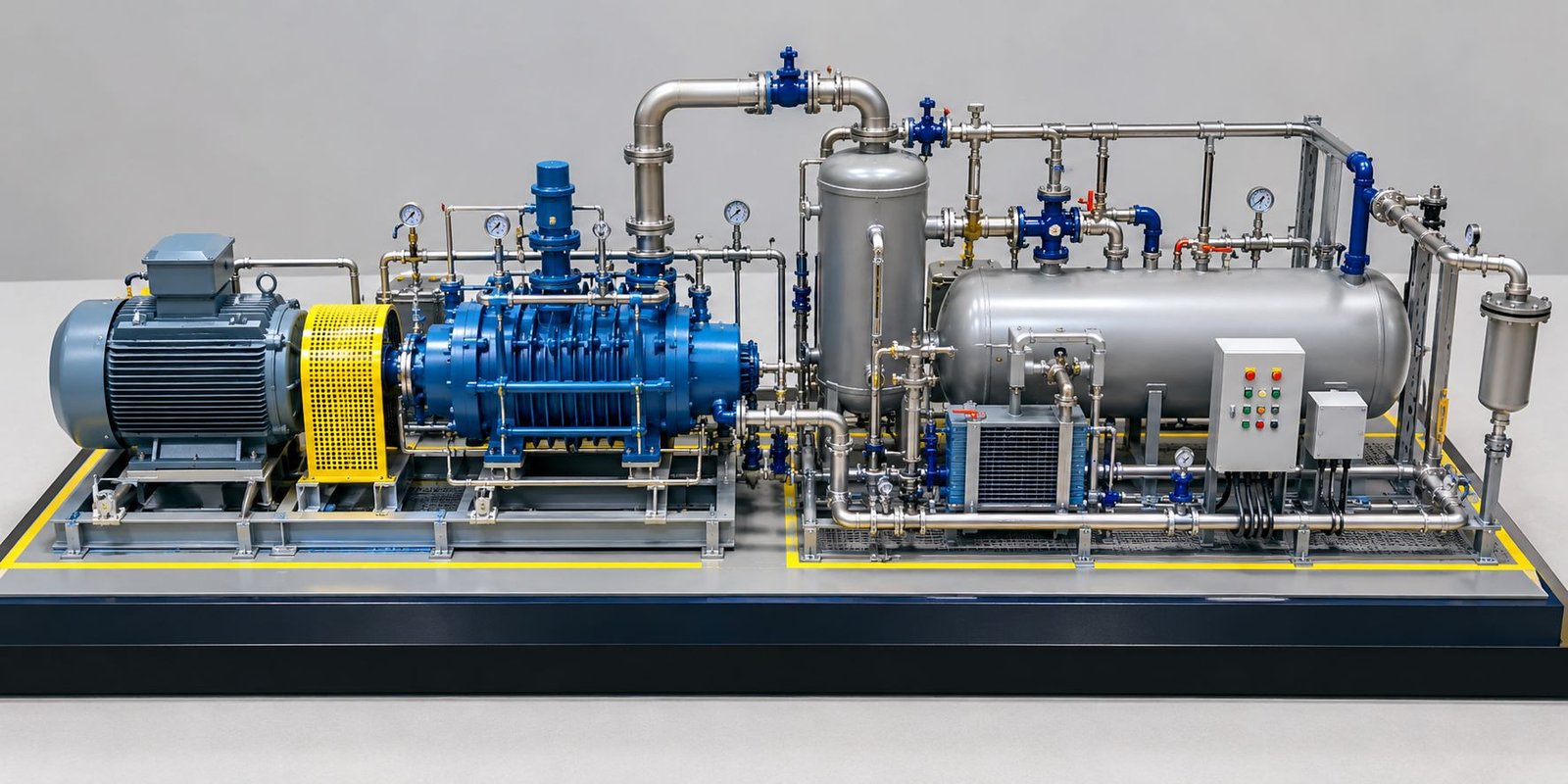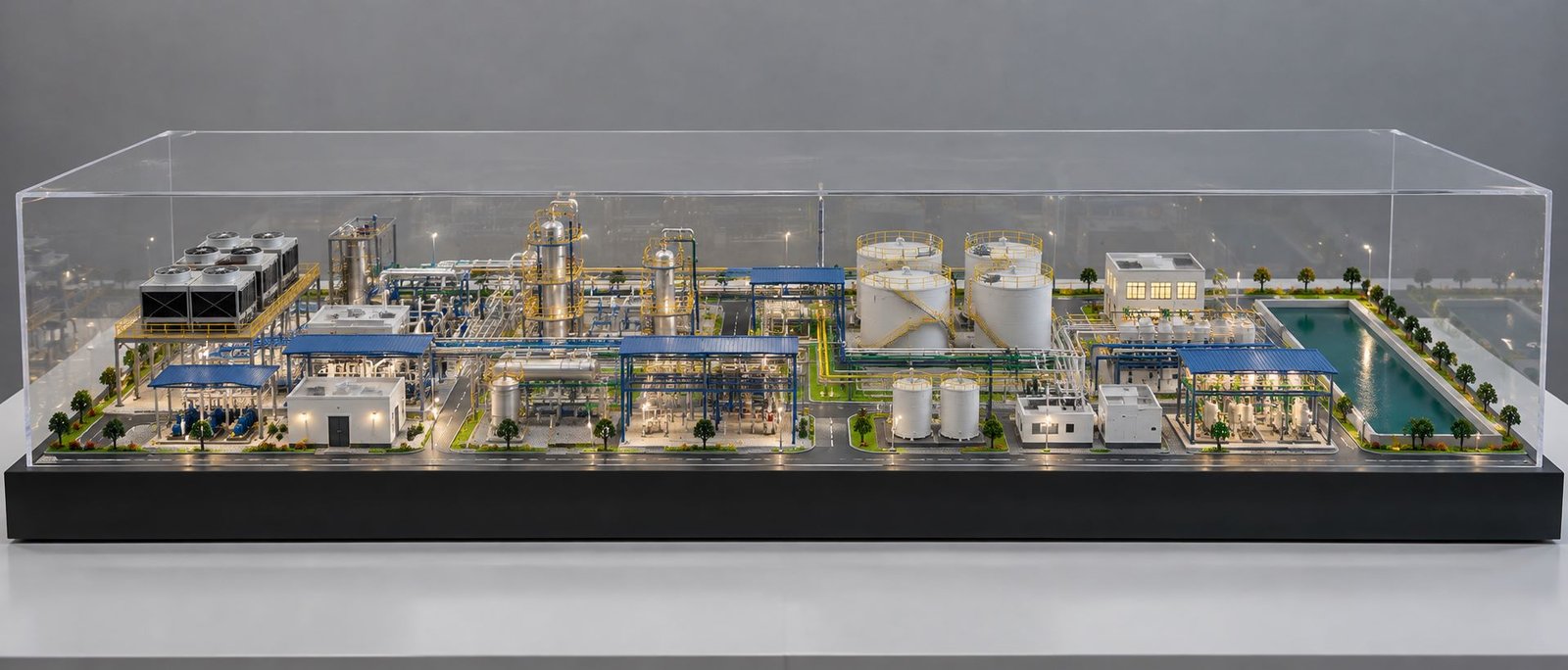
Naval architecture has gone almost entirely digital. Hull forms get sculpted in CAD software, stress gets simulated before a plate is cut, and clients can walk through a photorealistic render before construction starts. Yet walk into any established shipbuilder’s office and you’ll usually find a physical model on display. A marine ship model still does something software doesn’t — it gives a hull, superstructure, and deck layout a physical presence a screen can’t match.
Why a Screen Isn’t Always Enough
Rendering software has a built-in limitation: someone else controls the camera angle, so a client sees only what the animator chose to show. A physical model removes that constraint. Anyone in the room can lean over the hull, check how the bow curves into the waterline, or compare deck spacing from an angle nobody thought to render — and that open-ended inspection tends to surface concerns before they turn into expensive change orders during construction.
What Goes Into a Genuine Ship Scale Model
Not every nautical-looking object is technically accurate. A proper ship scale model is built from the same lines drawings and general arrangement plans used for construction, scaled down so every deck and bulkhead sits exactly where it would on the real vessel. Naval architects use these builds during design reviews to check sightlines from the bridge and confirm lifeboat davits have adequate swing clearance, while shipping companies use a ship scale model for sales and investor communication, since a model in a boardroom draws far more engagement than a brochure.
Offshore Platforms Bring Their Own Set of Challenges
Offshore structures push model accuracy further still. An offshore platform model typically needs to represent the jacket structure, topside modules, helideck, and safety systems all at once, while staying legible to a non-technical stakeholder. Engineering teams use these builds to check equipment spacing against safety zone requirements, something that’s genuinely hard to judge from a 2D layout alone, and classification society reviewers often request a well-built offshore platform model to verify escape routes and clearances directly rather than relying on written specifications.
Why Physical Presentation Still Wins Deals
Trade shows are one place where this difference becomes obvious quickly. A marine ship model sitting on a booth table pulls people in from across the hall in a way a looping video simply can’t, and prospective clients tend to linger longer, ask more detailed questions, and remember the conversation better once they’ve had something physical to reference. Sales teams that keep a model on permanent display in a reception area often find it becomes a quiet, ongoing conversation starter long after the original project it represents has been delivered.
Getting the Scale Right for the Purpose
Scale choice changes depending on what the build needs to accomplish. A ship scale model meant for a compact reception display might work at a tighter ratio that keeps the whole vessel within a small footprint, while one intended for a detailed engineering review of deck equipment usually needs a larger scale so smaller components stay legible enough to actually inspect.
From CAD Files to a Finished Hull
The build process starts with the same 3D CAD data used for construction planning, broken into hull sections and structural components before being CNC-machined, 3D printed, or hand-shaped depending on complexity. Hull curvature is usually the hardest part to get right, since even a slightly inaccurate curve throws off the proportions of everything built on top of it, which is why skilled model makers spend a disproportionate amount of time getting this stage right before adding superstructure and deck detail.
Working With Regulators and Safety Reviewers
Classification societies and safety auditors reviewing a new structure often want to see how escape routes, lifeboat stations, and equipment clearances work in three dimensions, and a well-built offshore platform model tends to answer that far more directly than a stack of compliance drawings. It’s not unusual for a single walkthrough of a physical build to resolve a question that would otherwise take several rounds of written clarification to settle.
Materials That Actually Hold Up
Marine environments are unforgiving even at model scale, since these builds often travel to trade shows or sit in sunlit reception areas for years. A well-made marine ship model relies on marine-grade paints and finishes that won’t warp or discolour, since faded paint or loosened fittings quietly undermine a build that was otherwise technically excellent.
Why Sourcing Expertise Matters More Than Location
Marine model work demands a specific mix of skills — reading naval architecture drawings, understanding hull geometry, and finishing surfaces to a maritime standard. This is where working with an experienced marine model making company india tends to make sense for shipyards well beyond India’s coastline. Skilled fabrication talent combined with lower production costs means Indian workshops can often deliver highly detailed models at a fraction of what comparable work costs elsewhere, without cutting corners on accuracy.
Before commissioning a build, it’s worth asking how a workshop verifies drawings, since small discrepancies in hull data can throw off an entire model. A genuinely capable marine model making company india will usually flag inconsistencies before starting fabrication, rather than building around an error and hoping nobody notices later.
A Model That Keeps Earning Its Place
A well-built vessel or platform model rarely gets used just once. The same piece that supported an internal design review often ends up in a boardroom or at a maritime trade show years after the project has been delivered, which is why it’s worth treating the build as a long-term asset rather than a one-off deliverable.
Digital tools have changed how vessels and offshore structures get designed, but they haven’t changed how people build confidence in a project. Being able to walk around a physical build, point at a specific deck or module, and explain exactly how it works still does something no render fully replicates — and for shipyards and offshore operators working with the right marine model making company india, that tangible understanding remains worth the investment.