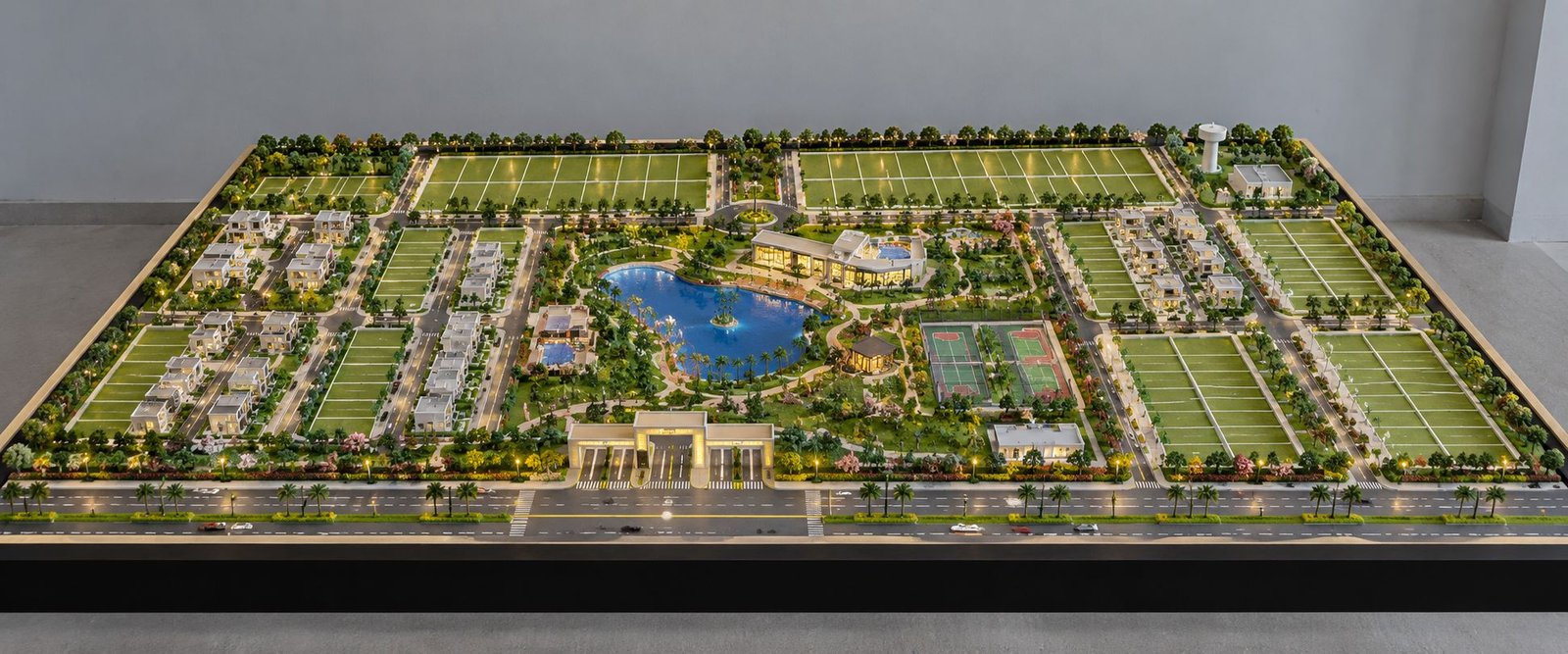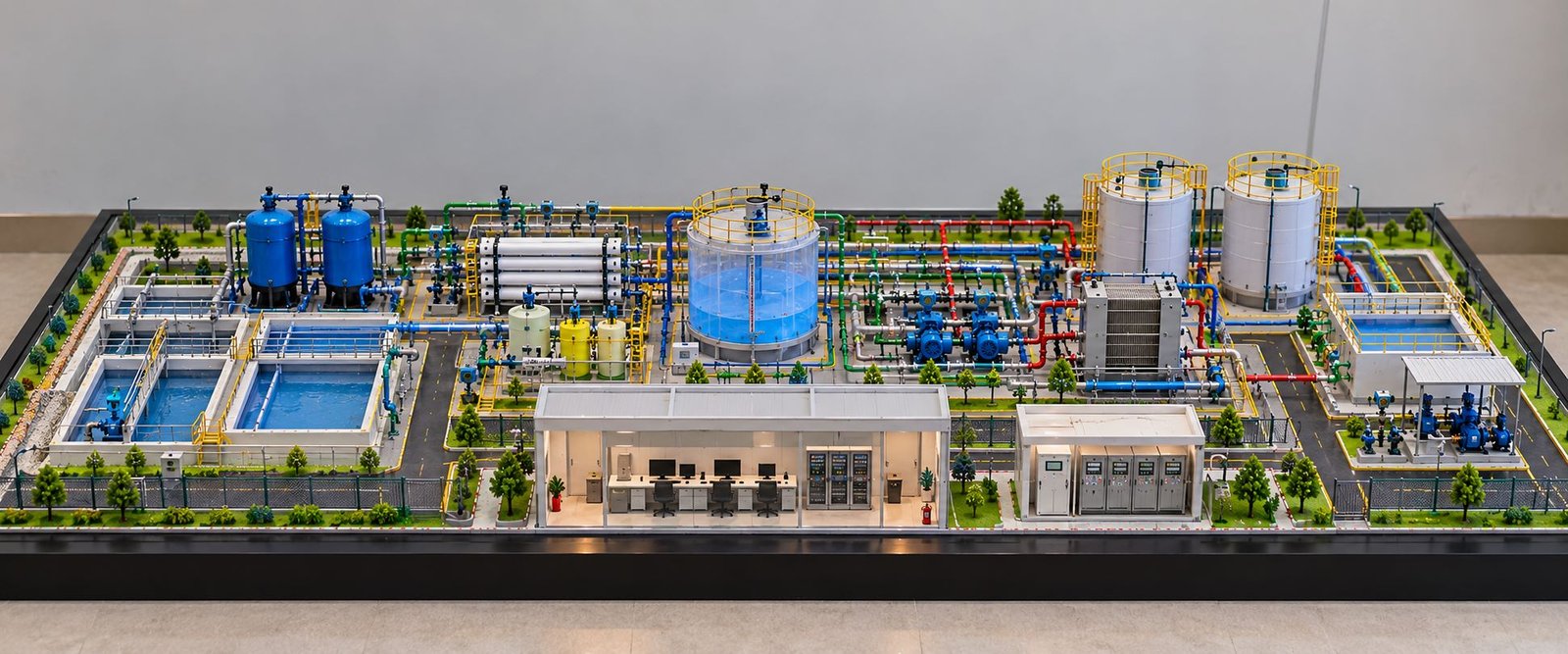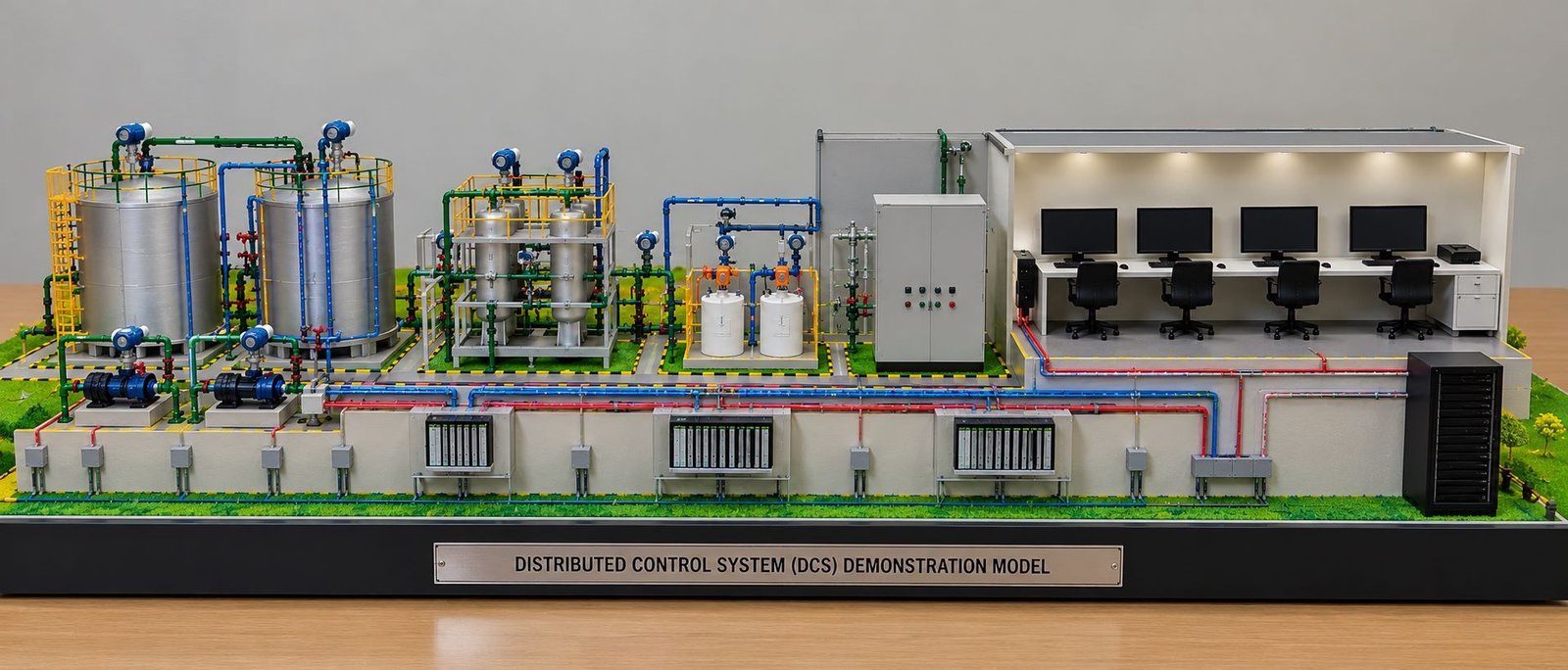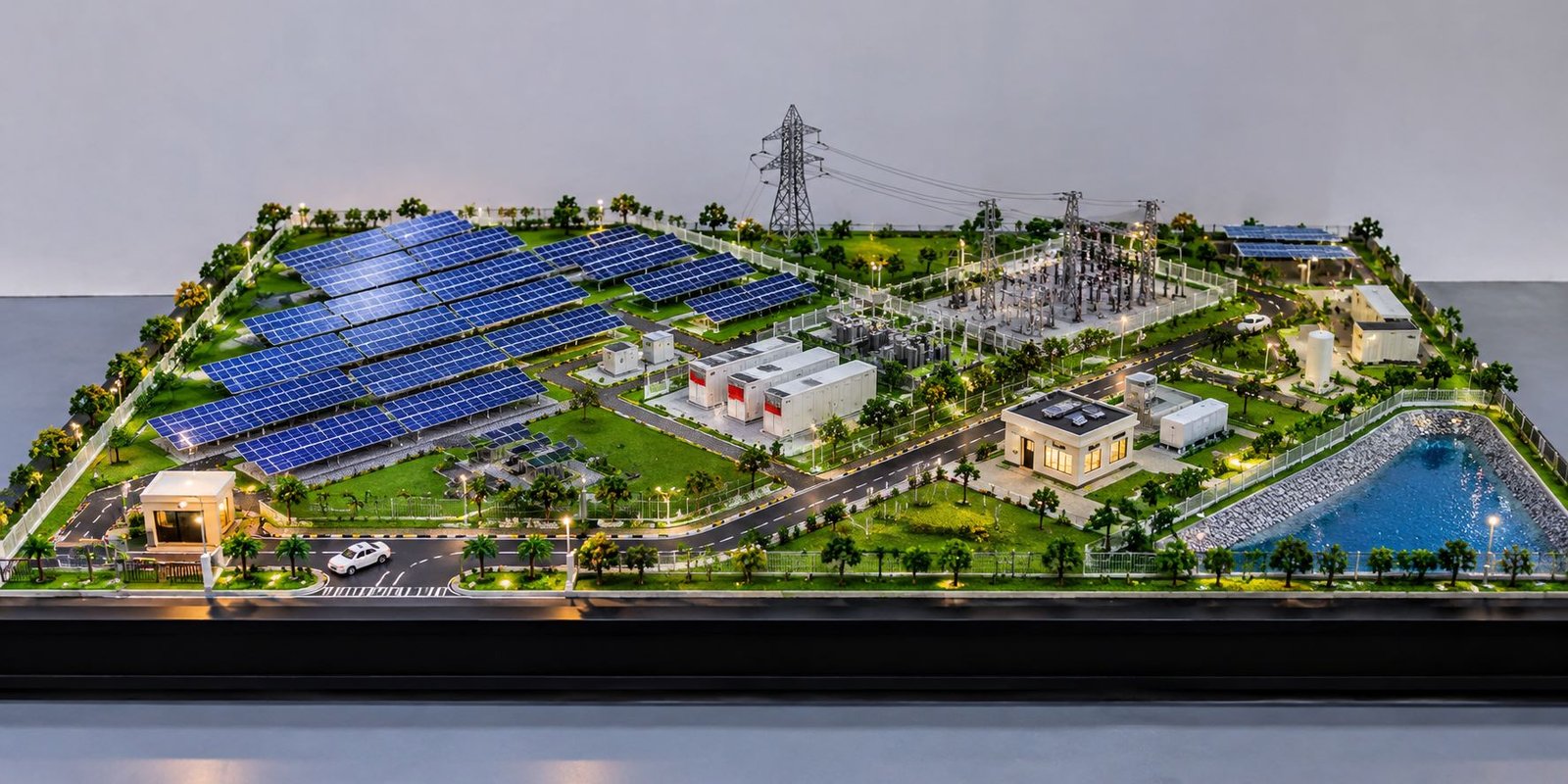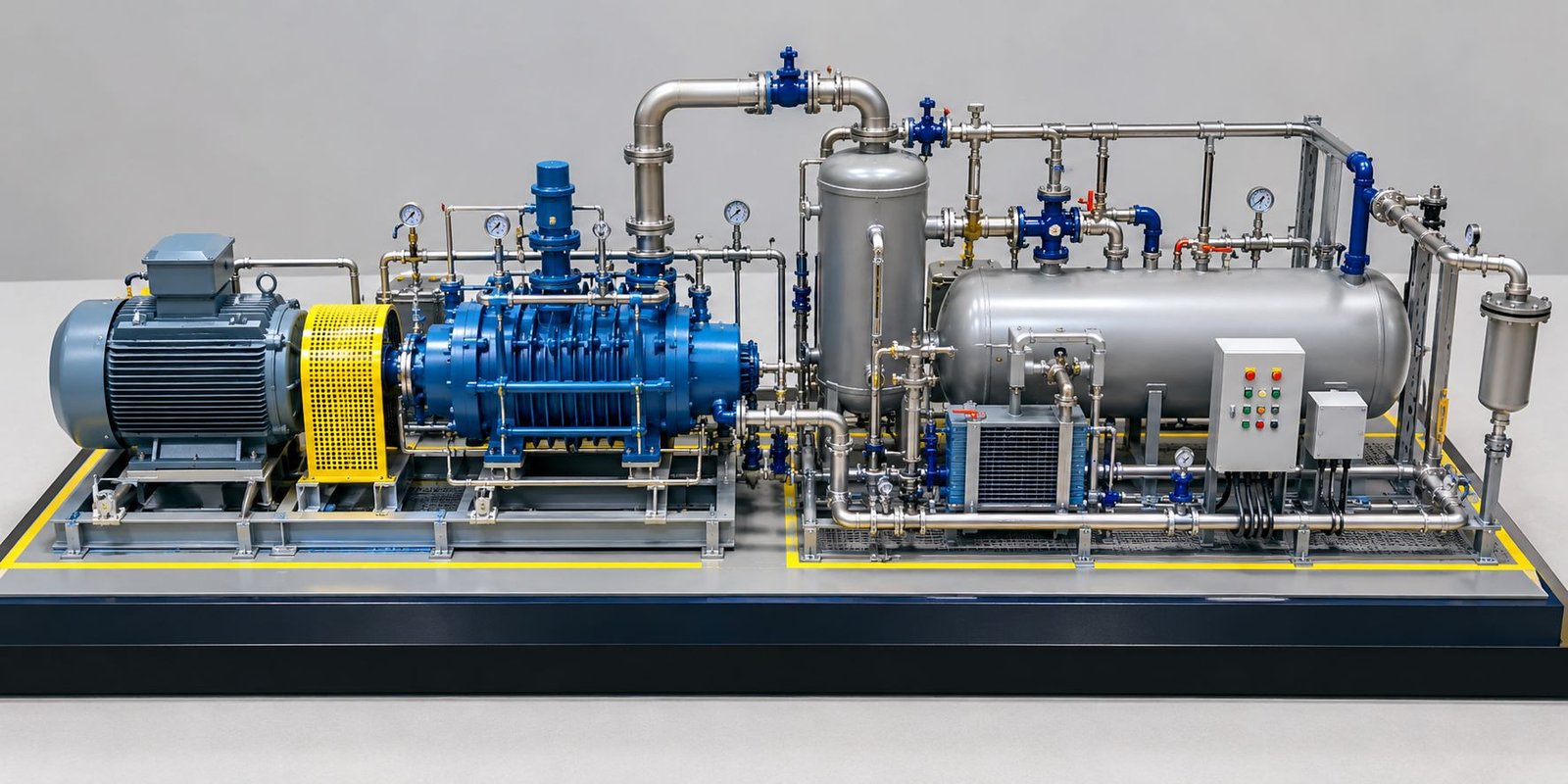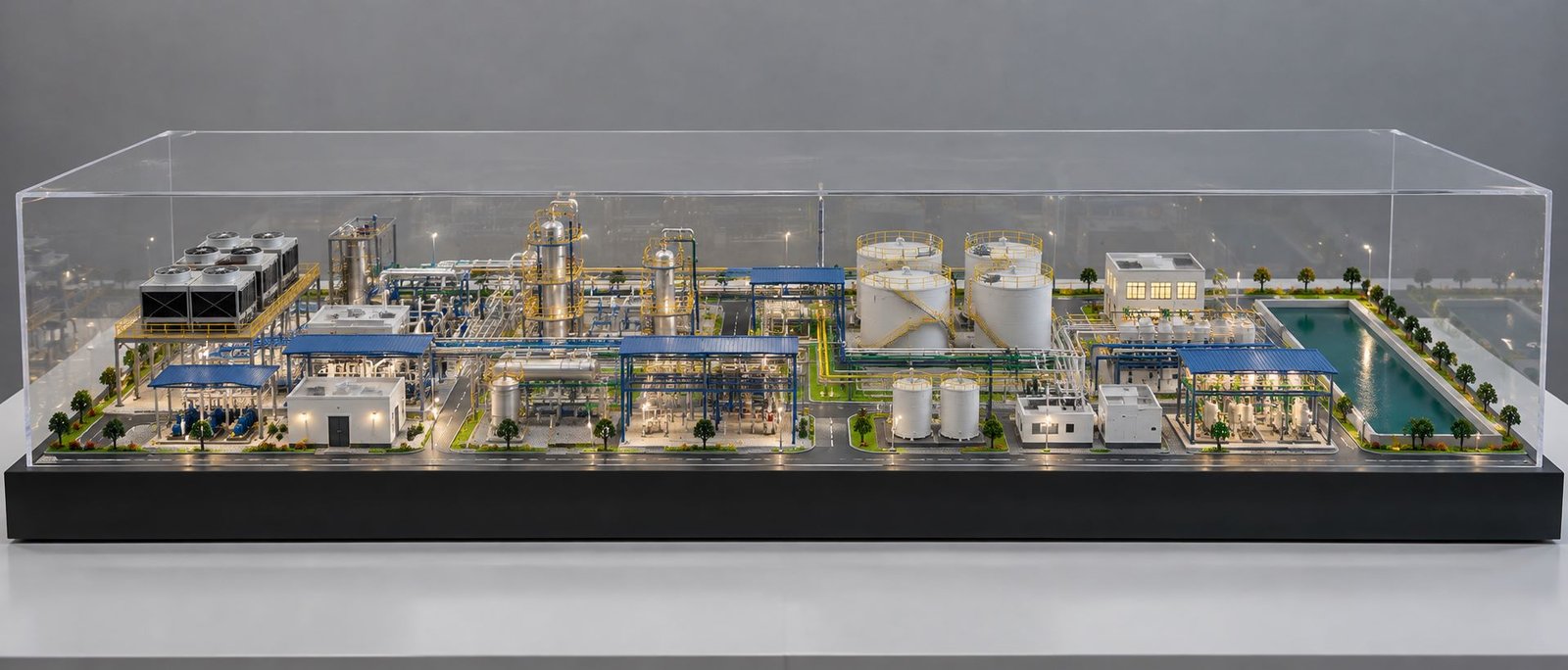
Ask any mechanical engineer who’s spent years going back and forth between CAD software and a physical prototype, and they’ll tell you the same thing — a drawing on a screen only tells you so much. An engineering scale model gives a design a body you can actually pick up, rotate, and study from angles the software never quite shows you. It’s why, even in an age of parametric modelling and simulation software, these physical builds keep showing up on engineers’ desks, in classrooms, and at technical exhibitions.
What Sets a Mechanical Engineering Model Apart
Not every scale build needs to move. Some exist purely to show proportion and layout. But a mechanical engineering model usually goes a step further, replicating gears, linkages, pistons, or shafts in a way that mirrors how the actual mechanism behaves. That distinction matters, because a model that only looks right from the outside doesn’t help an engineer explain how torque transfers through a gearbox or how a crank converts rotational motion into linear movement.
Where These Models Actually Get Used
Universities lean on them heavily for teaching, since students grasp mechanical concepts far faster when they can turn a crank by hand and watch the linked components respond. Manufacturing firms use an engineering scale model during design reviews, walking non-technical stakeholders through a product before tooling and manufacturing costs get committed. Trade shows and exhibitions are another common stop, where a working replica draws far more attention at a booth than a screen playing a looping animation ever could.
Precision Is the Whole Point
A mechanical engineering model is only as useful as it is accurate. If gear ratios, shaft alignments, or clearances are off, the model stops being a teaching or demonstration tool and becomes little more than a decorative piece. Skilled model makers work from the same technical drawings an engineer would use for manufacturing, scaling every dimension proportionally so the finished piece behaves the way the full-size version would, just smaller.
From Concept Sketches to a Finished Build
The process typically starts with engineering drawings or CAD files, which get broken down into individual components, machined or 3D printed at scale, and then assembled by hand. Moving parts get fitted with actual bearings, shafts, and linkages wherever the mechanism calls for real motion rather than a static illusion of it. This is where the build stops being a simple replica and starts functioning as a genuine, if miniature, working machine.
What Happens When Accuracy Gets Skipped
It’s tempting, especially under time pressure, to eyeball a gear ratio or approximate a linkage length rather than pull exact figures from the drawing. The problem shows up later, often during the one demonstration that actually mattered, when a mechanism binds, skips, or simply doesn’t turn the way it should. Fixing these issues after assembly is far more disruptive than getting the dimensions right the first time, since disassembling a finished mechanical build to correct a single miscalculated component can undo days of careful assembly work.
Materials and Lead Time Worth Planning For
Metal components tend to suit shafts, gears, and anything under repeated mechanical stress, while acrylic and resin work well for housings and static structural elements. Mixing materials this way keeps the build both durable and visually clean, but it also means production isn’t a quick job. Detailed mechanical builds with several moving assemblies can take a few weeks from drawing handoff to final testing, so it’s worth involving a model maker well before a deadline rather than a week or two beforehand.
Why Physical Demonstration Still Wins Over Video
A recorded animation shows exactly one version of events, from exactly one angle, at exactly the pace someone chose while editing it. An engineering scale model hands that control back to whoever’s holding it. They can slow a mechanism down, pause it mid-motion, or turn it upside down to see how a component sits relative to the frame. That kind of hands-on inspection tends to answer questions before someone even has to ask them out loud.
Common Mistakes That Undermine a Good Design
Even a technically sound mechanism can end up looking amateurish if the finishing work is rushed. Visible glue lines, mismatched paint sheens, or gears that bind slightly when turned by hand all chip away at the credibility of an otherwise well-engineered piece. It’s a strange dynamic, but a model that looks slightly rough tends to make people question the underlying engineering too, even when the mechanics themselves are perfectly sound. That’s part of why the finishing stage deserves as much attention as the mechanical build itself.
Scale consistency is another detail that’s easy to overlook until it’s too late. If housings, brackets, or supporting structures are built to a slightly different ratio than the mechanical components they hold, the whole piece starts to look subtly wrong even to someone who couldn’t explain exactly why. Working from a single, consistent set of scaled drawings for every part of the build avoids this problem entirely, but it does mean resisting the temptation to eyeball dimensions for the less critical structural pieces.
Choosing a Model Maker Who Understands Mechanisms
Building a static architectural model and building a functioning mechanical assembly call for genuinely different skill sets. A workshop needs to understand tolerances, moving joints, and material behaviour under repeated handling, not just surface finish and paint quality. Before commissioning a build, it’s worth asking to see examples of prior mechanical engineering model work specifically, rather than general model-making portfolios, since the two disciplines don’t always overlap as much as they should.
Software has changed how engineers design, but it hasn’t changed how people learn and communicate technical ideas best — by handling something real. Whether it sits in a classroom, a boardroom, or an exhibition hall, a well-built scale model keeps doing a job that no render or animation has managed to fully replace.