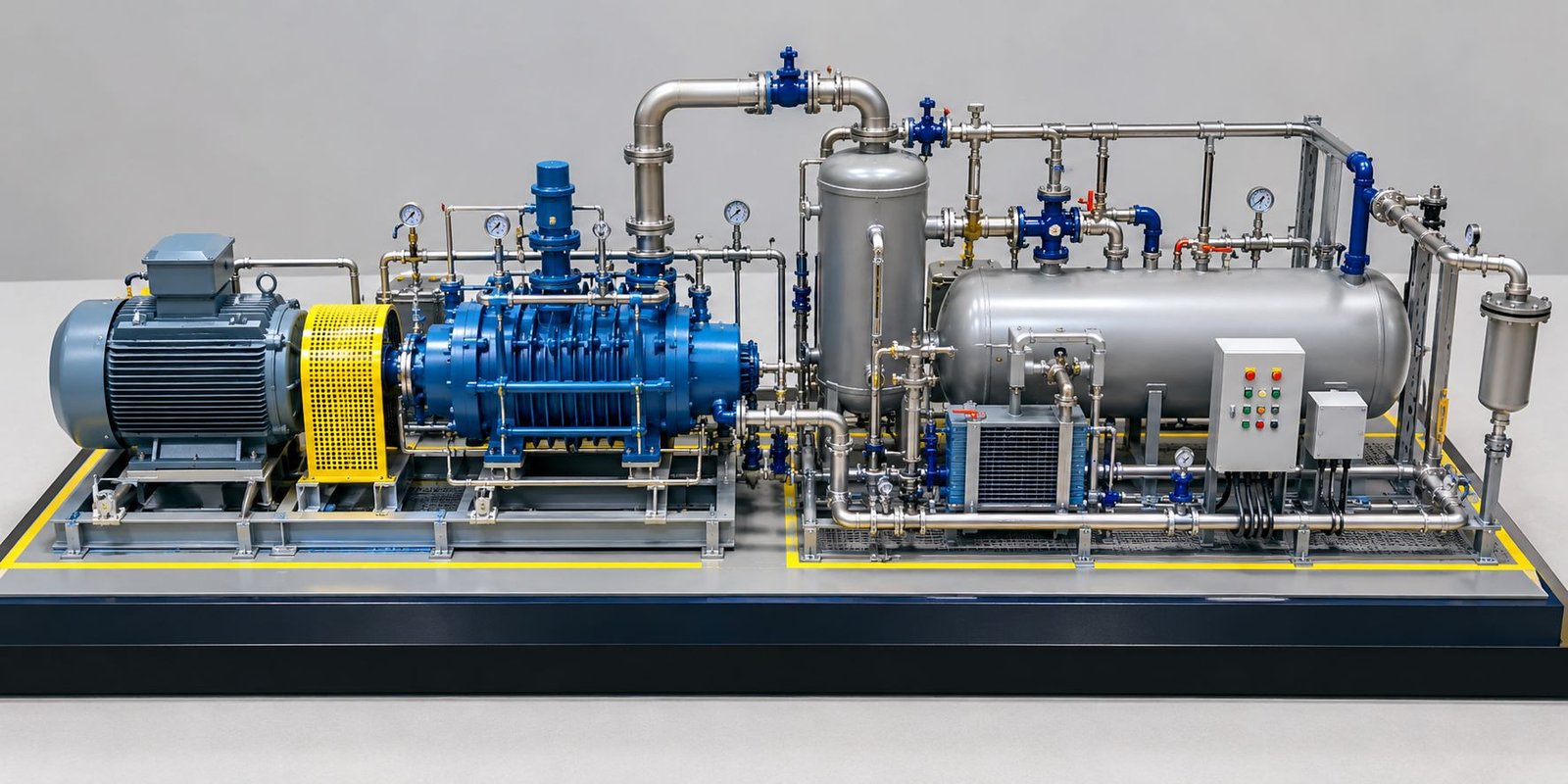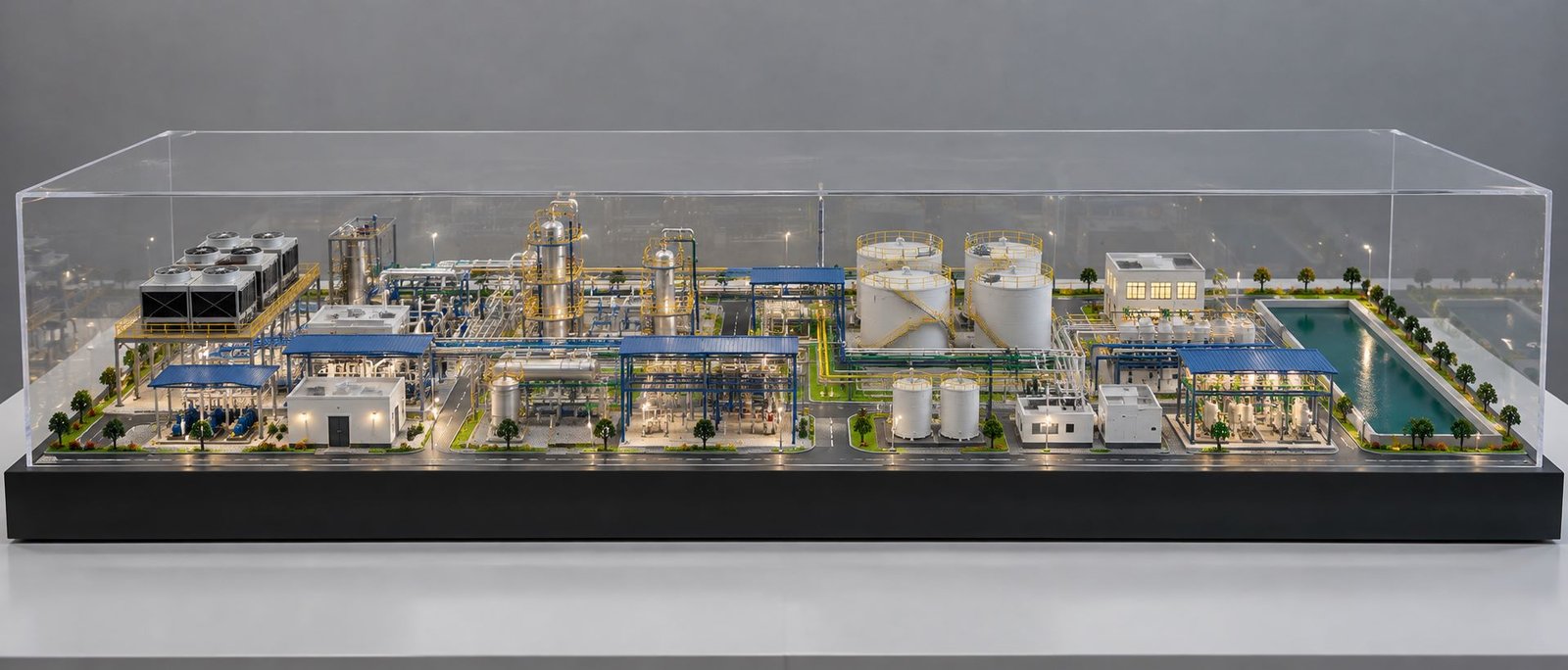
A Growing Industry Behind the Scenes
India’s construction and real estate sector has expanded so quickly over the past decade that a whole supporting industry has grown up around it almost unnoticed. Somewhere behind every glossy real estate launch event or investor roadshow, there is usually a team of specialists who spent weeks building the physical centerpiece of the presentation, a detailed building scale model that makes an abstract set of floor plans feel like a real place. Finding the right team for this work matters far more than most developers realize until they have worked with both a mediocre studio and an excellent one.
The gap between the two is rarely visible in a quick glance across a sales lounge. It shows up when a buyer starts asking detailed questions, or when the model has to survive months of handling at a busy launch site without chipping, warping, or fading under constant lighting.
What Separates a Good Studio From an Average One
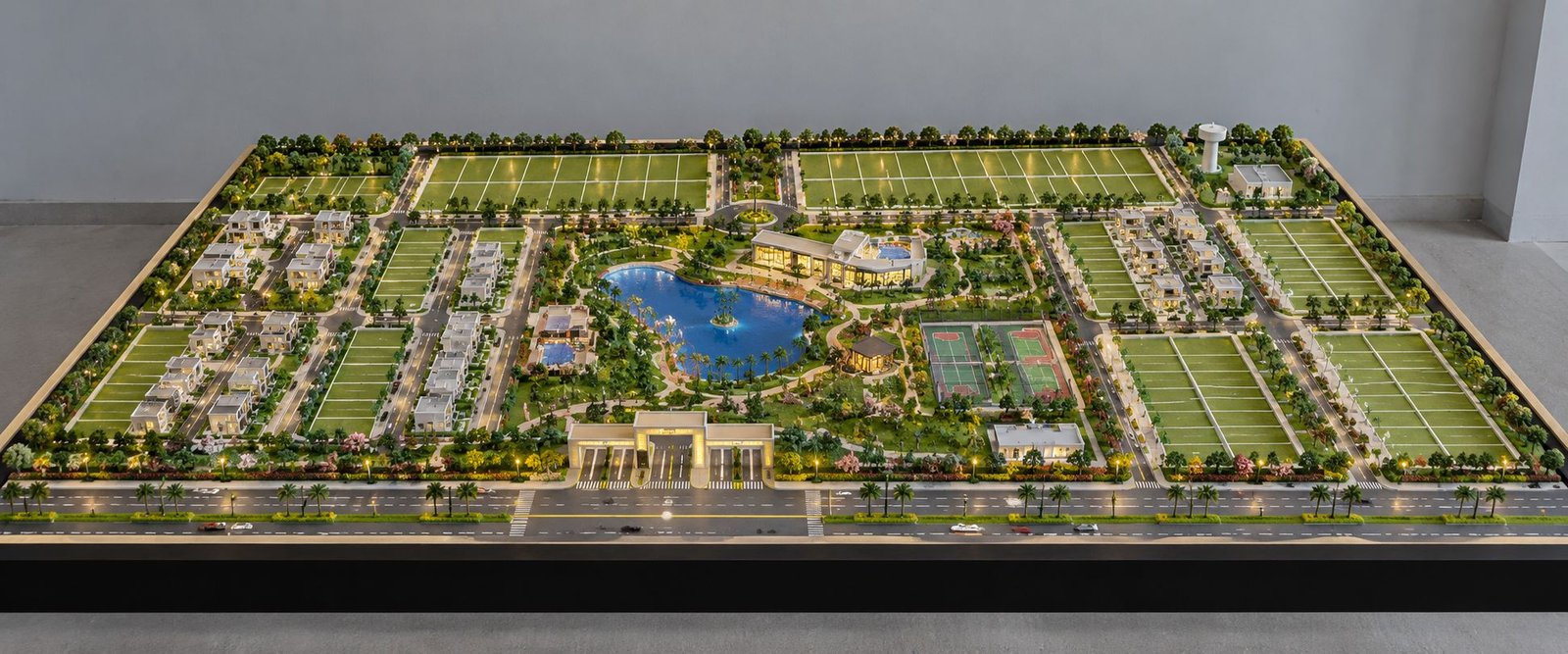
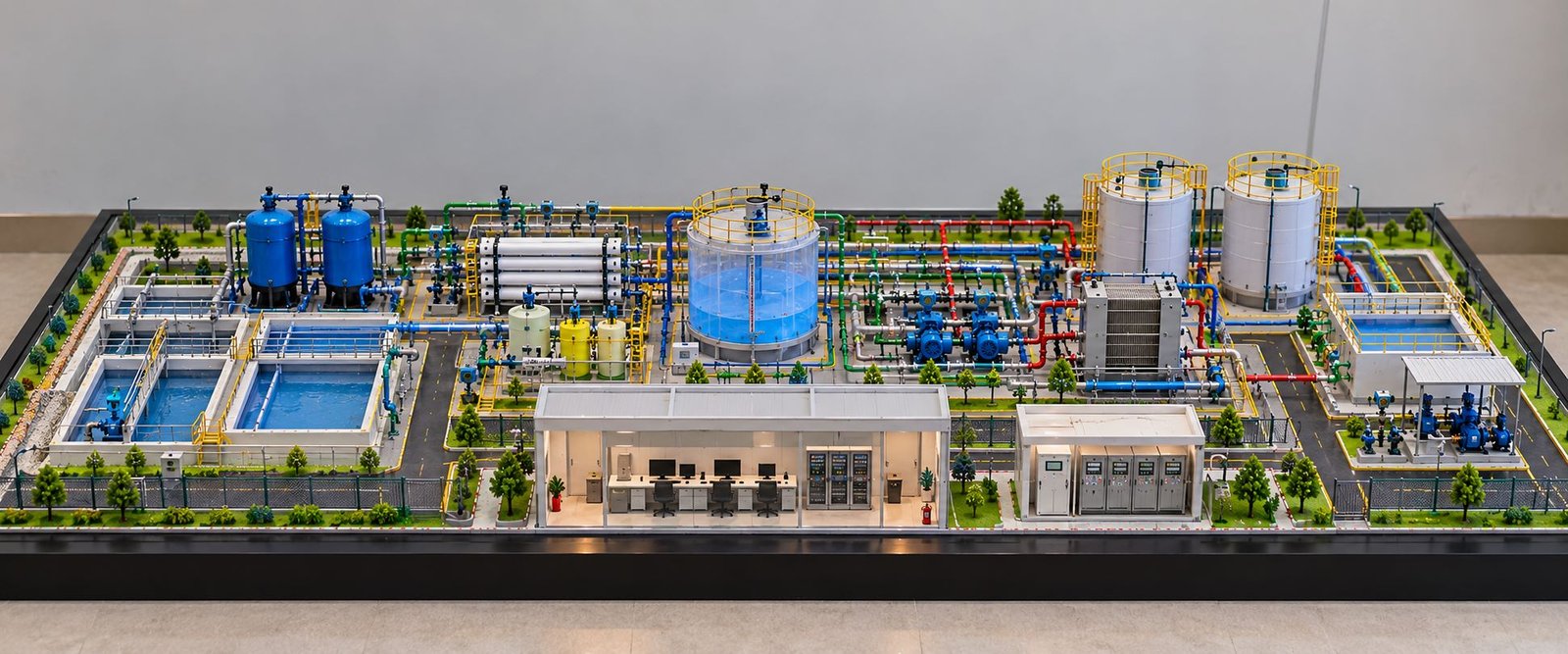
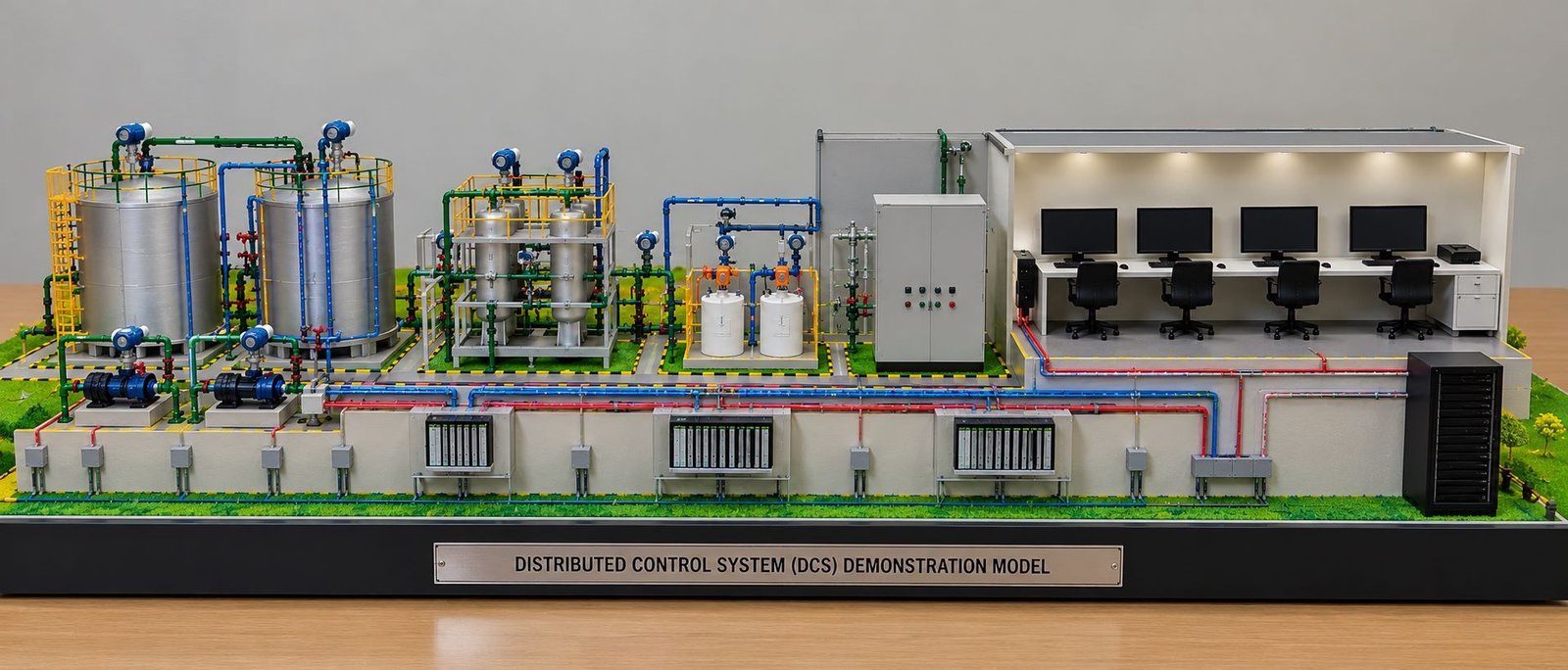
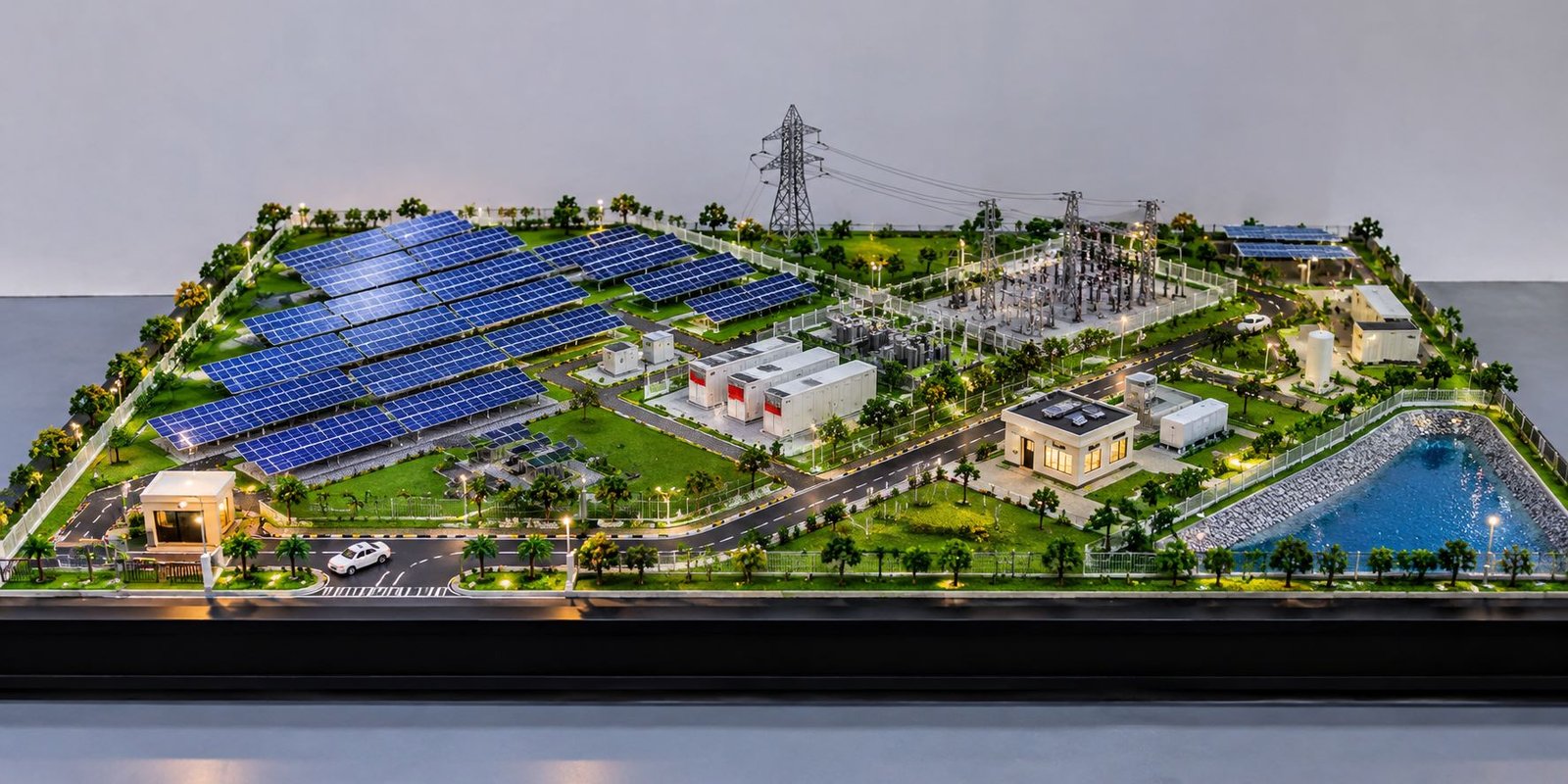
The difference rarely shows up in the price quote. It shows up in the finished piece. An experienced architectural model maker India developers keep returning to will typically show a portfolio with real range, from compact residential units to sprawling township masterplans, and will be able to explain the technical choices behind each one rather than just showing pretty photographs. Ask how they handle scale accuracy on complex facades, how they source materials for realistic landscaping, and how they manage lighting integration if the piece needs interior illumination for evening presentations. The answers tell you a lot about whether you are dealing with genuine craftsmanship or a workshop that is simply assembling kits.
Why a Building Model Still Closes Deals
Sales teams in Indian real estate will tell you, often with some surprise, that a well-built building scale model still outperforms even the most polished digital walkthrough when it comes to closing conversations with serious buyers. There is something about standing over a physical piece, being able to point at a specific tower or unit and ask a direct question, that digital tools have not fully replicated. Buyers making decisions worth crores want tangible reassurance, and a detailed model sitting in the sales lounge provides exactly that kind of confidence a screen struggles to match.
It also gives sales staff something concrete to anchor a conversation around, rather than scrolling through slides on a tablet while a prospective buyer’s attention slowly drifts toward their phone.
Regional Considerations Across India
Working with a studio experienced in pan-India delivery also means navigating logistics that differ significantly by city. A workshop based in Mumbai handling a project in Jaipur or Kochi needs to plan carefully around transport, humidity control for delicate materials, and on-site assembly, since large township pieces are often too big to move in one go. The strongest teams design their work with modular sections specifically so it can be transported safely and reassembled without damage at the client’s location, regardless of distance. Developers working on their first major launch often find it worth shortlisting more than one architectural model maker India before committing, simply to compare how each team plans for these regional logistics.
Turnaround Time and Project Planning
One area developers frequently underestimate is timeline. A detailed piece for a large residential or commercial project can take anywhere from three to eight weeks depending on scale and complexity, and rushing this process almost always shows in the final quality. It is worth building this timeline into the broader marketing and sales launch schedule from the very beginning, rather than treating it as a last-minute addition once the brochures and website are already finished and the launch date is fixed.
Materials, Cost, and Realistic Expectations
Cost varies enormously depending on scale, level of detail, and whether the piece includes features like interior lighting or moving elements such as elevators. A reputable architectural model maker India clients trust will walk through these variables honestly during the quoting stage rather than offering a vague flat rate, because a compact single-building piece and a full township masterplan are simply not comparable projects, even when both fall under the broad category of presentation model work.
After-Sales Care and Display Longevity
A detail that gets overlooked far too often is what happens to a model after the initial launch event. Sales lounges are busy, humid in many parts of the country during monsoon season, and models get bumped, touched, and photographed constantly for months or even years after they were first unveiled. A well-constructed building scale model built with the right sealants, dust protection, and repairable joinery can stay presentable for the entire sales cycle of a project, while a rushed piece can start looking tired within weeks. It is worth asking a studio upfront what kind of maintenance support they offer, since small touch-ups over time are often far cheaper than commissioning a full replacement halfway through a launch campaign.
Some developers also request a compact travel version of the main showcase model, built specifically to survive being carried to property expos and investor roadshows in other cities, separate from the larger, more delicate piece that stays permanently in the primary sales office.
Final Thoughts
A physical presentation piece is often the single object that stands between a set of engineering drawings and a buyer’s emotional decision to invest. Choosing a studio with real technical skill, honest communication, and experience delivering across Indian cities makes the difference between a model that sits forgotten in a corner and one that genuinely helps close sales, win approvals, and bring a project to life long before construction is complete.