Engineering Model Making Services – High-Quality Custom Engineering Models for Industrial Projects
Creating engineering models is a crucial component of today’s industries, as it allows technical concepts to be communicated clearly, professionally, and in an engaging visual format. A thoughtfully crafted engineering model enables manufacturers, consultants, educational institutions, infrastructure developers, and industrial firms to convey intricate engineering ideas effortlessly. Regardless of whether it’s a machine layout, process system, production facility, or technical apparatus, a physical engineering model offers a realistic depiction that enhances comprehension and communication.
Today, engineering models are widely used for industrial presentations, project approvals, exhibitions, client meetings, training programs, and educational demonstrations. A professionally crafted model allows stakeholders to visualize every detail before the actual project is executed, reducing misunderstandings and improving project planning.
What is an Engineering Model?
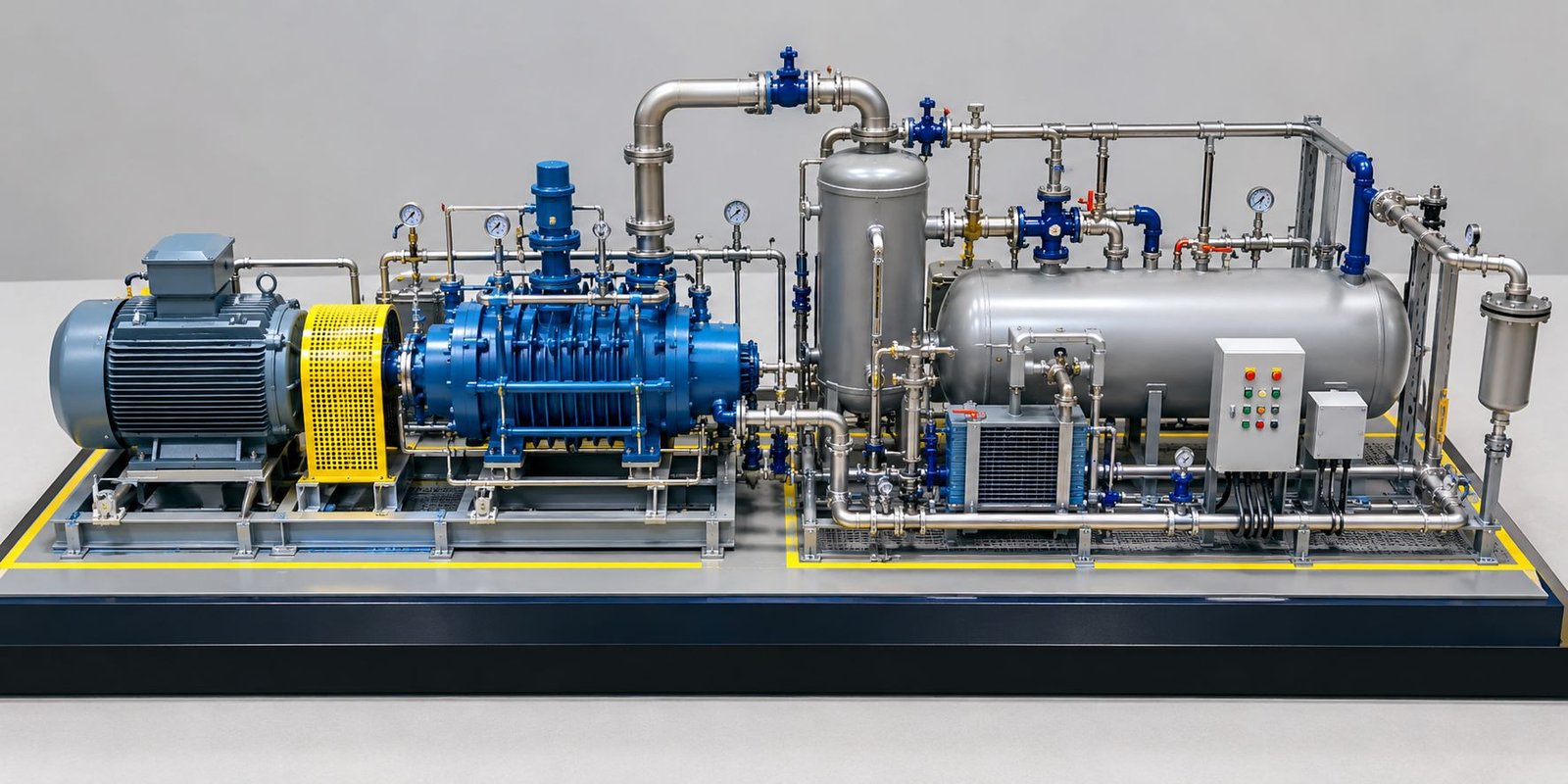
An engineering model is a precision-made scale representation of industrial equipment, manufacturing systems, mechanical assemblies, infrastructure projects, or technical processes. These models are developed according to engineering drawings and project specifications to accurately display the structure, working concept, and layout of the proposed project.
Engineering models can be static for display purposes or functional with moving parts and lighting effects to demonstrate operational principles.
Why Engineering Models Are Important
Engineering drawings and digital designs often require technical knowledge to understand. A physical engineering model simplifies complicated information and makes presentations more effective for clients, investors, engineers, and project teams.
Major advantages include:
- Clear visualization of engineering concepts
- Better project planning and communication
- Improved client presentations
- Professional exhibition displays
- Effective technical training
- Easier approval of industrial projects
- Attractive marketing presentations
- Accurate representation of engineering designs
Types of Engineering Models
Industrial Engineering Models
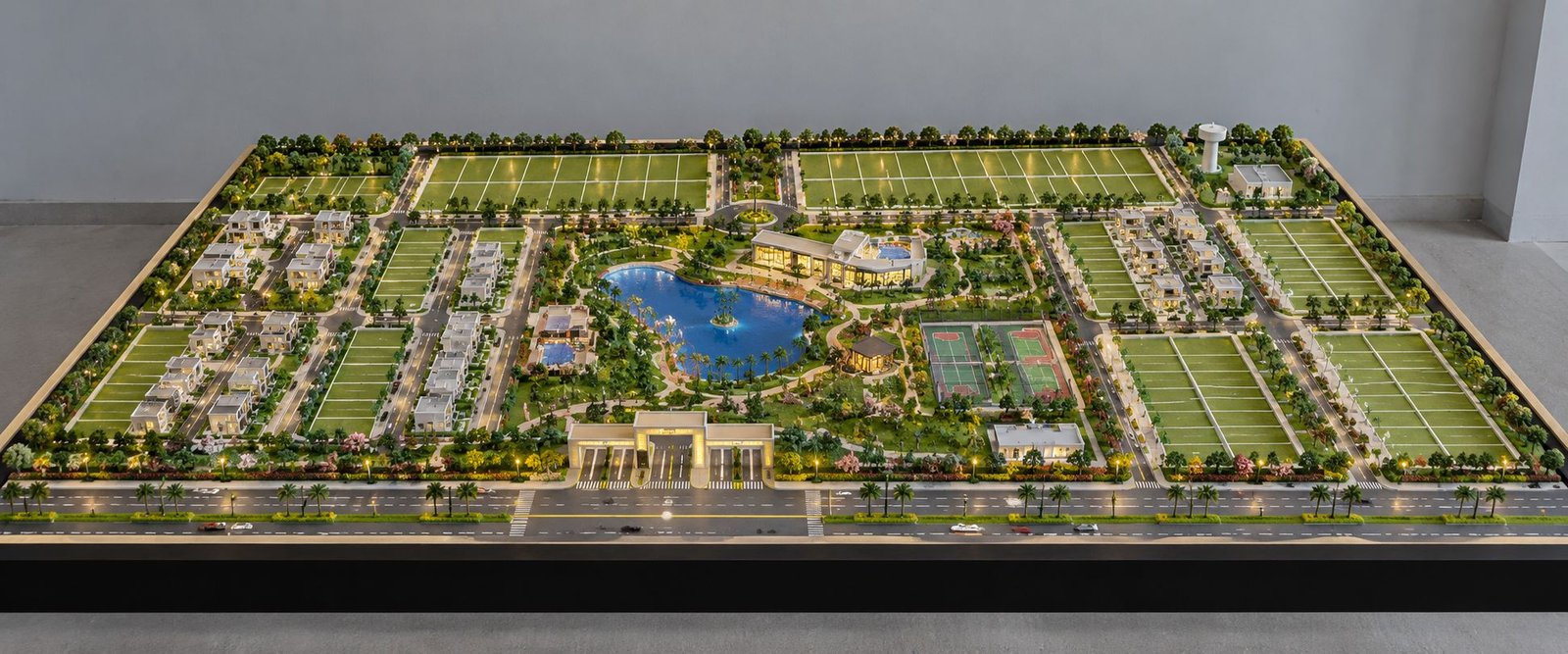
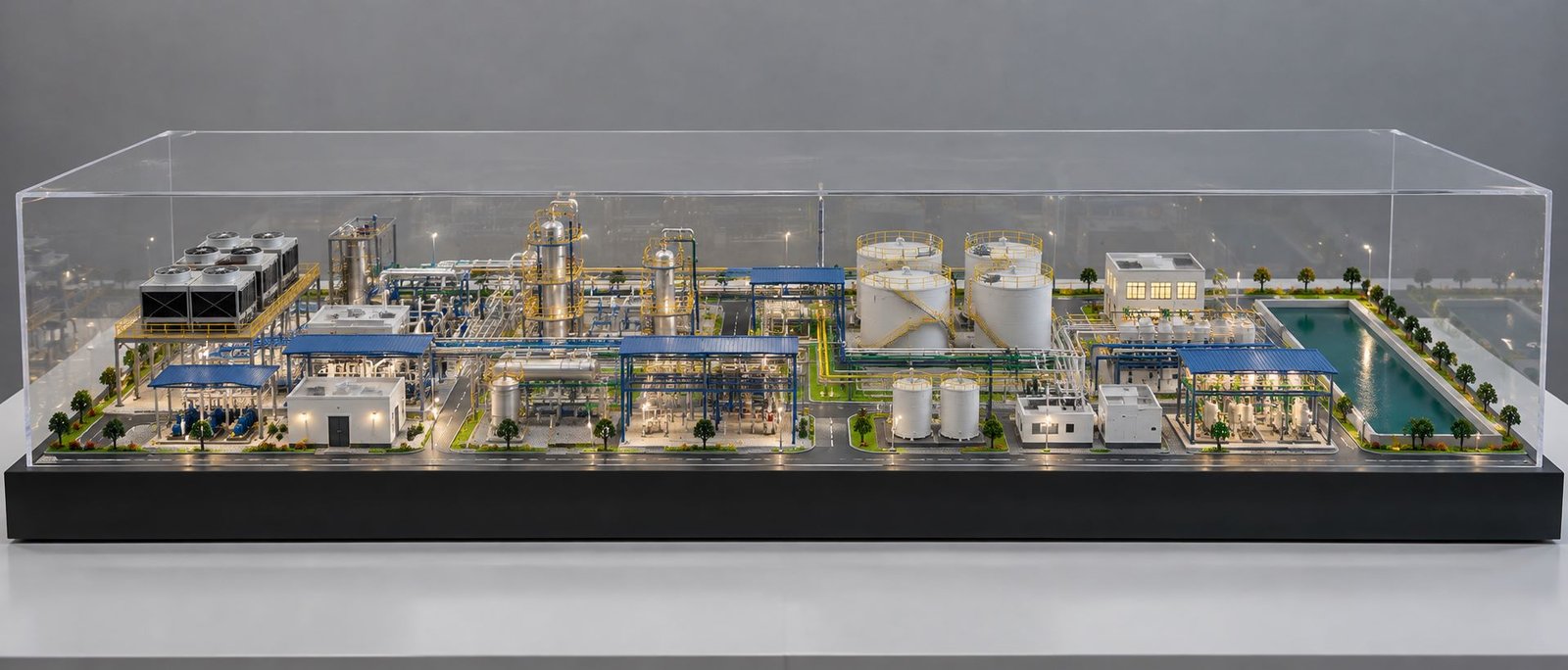
Industrial engineering models represent manufacturing plants, production units, heavy machinery layouts, warehouses, and industrial facilities. These models help industries explain complete manufacturing processes with greater clarity.
Mechanical Engineering Models
Mechanical engineering models showcase machine assemblies, gear mechanisms, production systems, conveyors, turbines, compressors, and mechanical equipment for demonstrations and educational purposes.
Process Plant Models
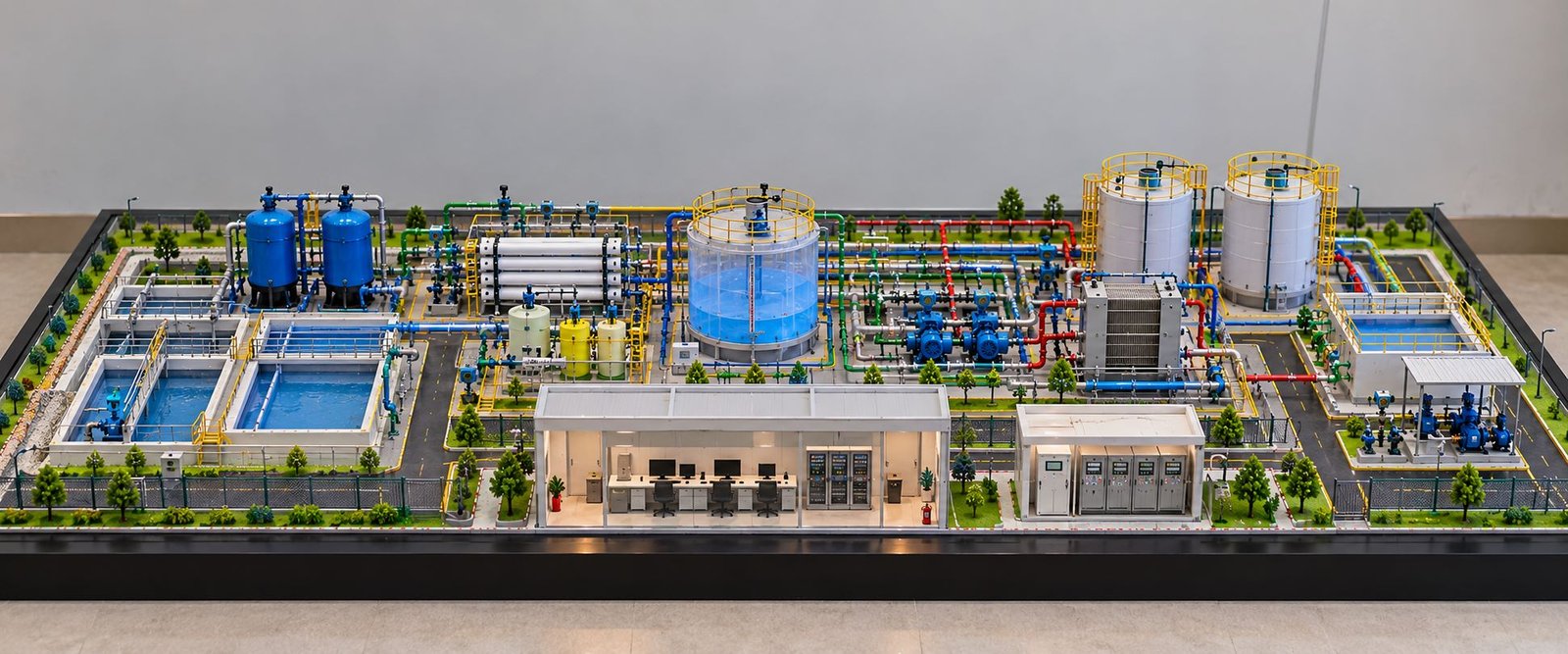
Process plant models display complete industrial processes such as chemical plants, pharmaceutical factories, water treatment facilities, food processing units, and energy plants. These models illustrate the flow of materials, equipment arrangement, and production systems.
Working Engineering Models
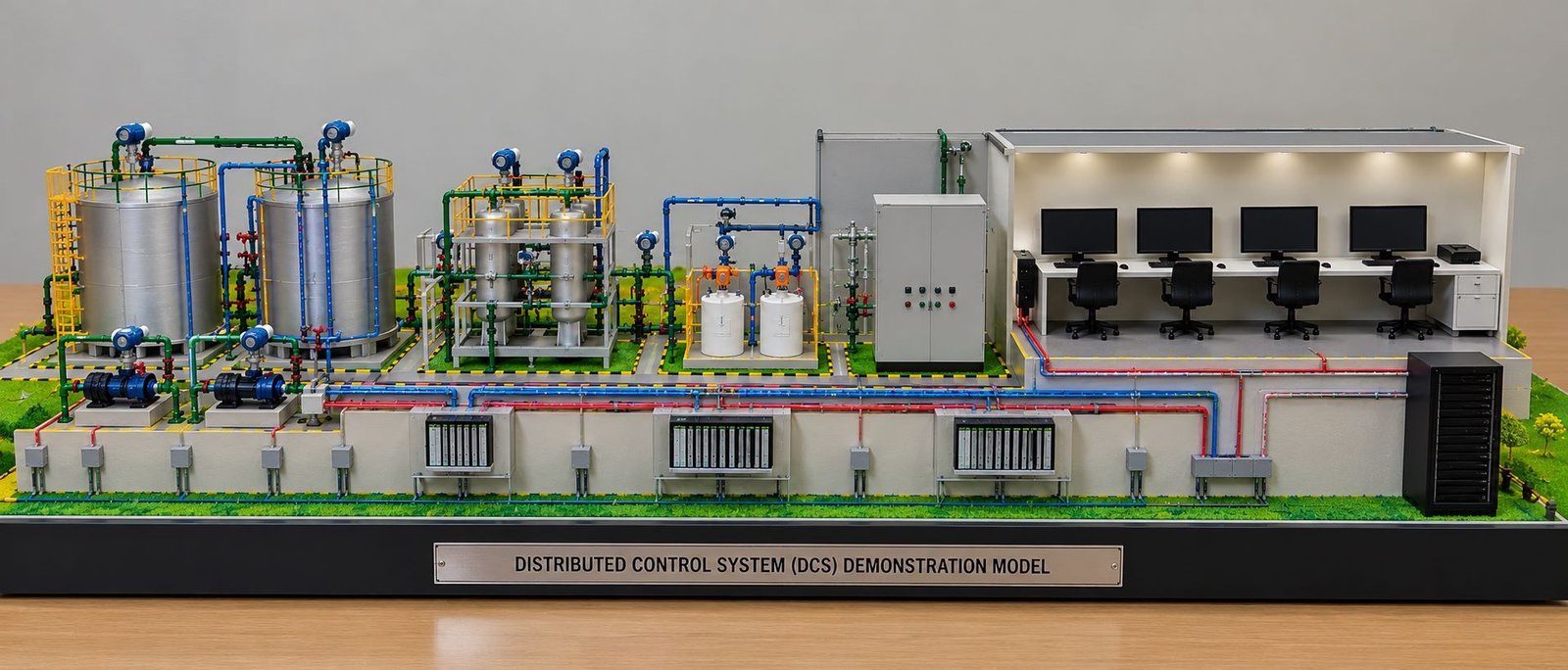
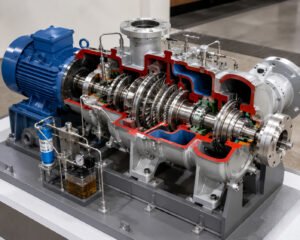
Working engineering models include moving mechanisms, lighting systems, and interactive features that demonstrate the actual functioning of machines or industrial processes. These models are highly effective for exhibitions, technical institutes, and product demonstrations.
Prototype Engineering Models
Prototype models allow engineers and manufacturers to evaluate product designs before mass production. These models help identify design improvements, reduce manufacturing risks, and save development costs.
Educational Engineering Models
Engineering colleges, universities, and technical institutes use educational engineering models to provide practical learning experiences. Students can better understand engineering principles through physical demonstrations rather than theoretical explanations alone.
Industries That Use Engineering Models
Engineering model making services are valuable for numerous industries, including:
- Manufacturing Industries
- Automobile Companies
- Infrastructure Developers
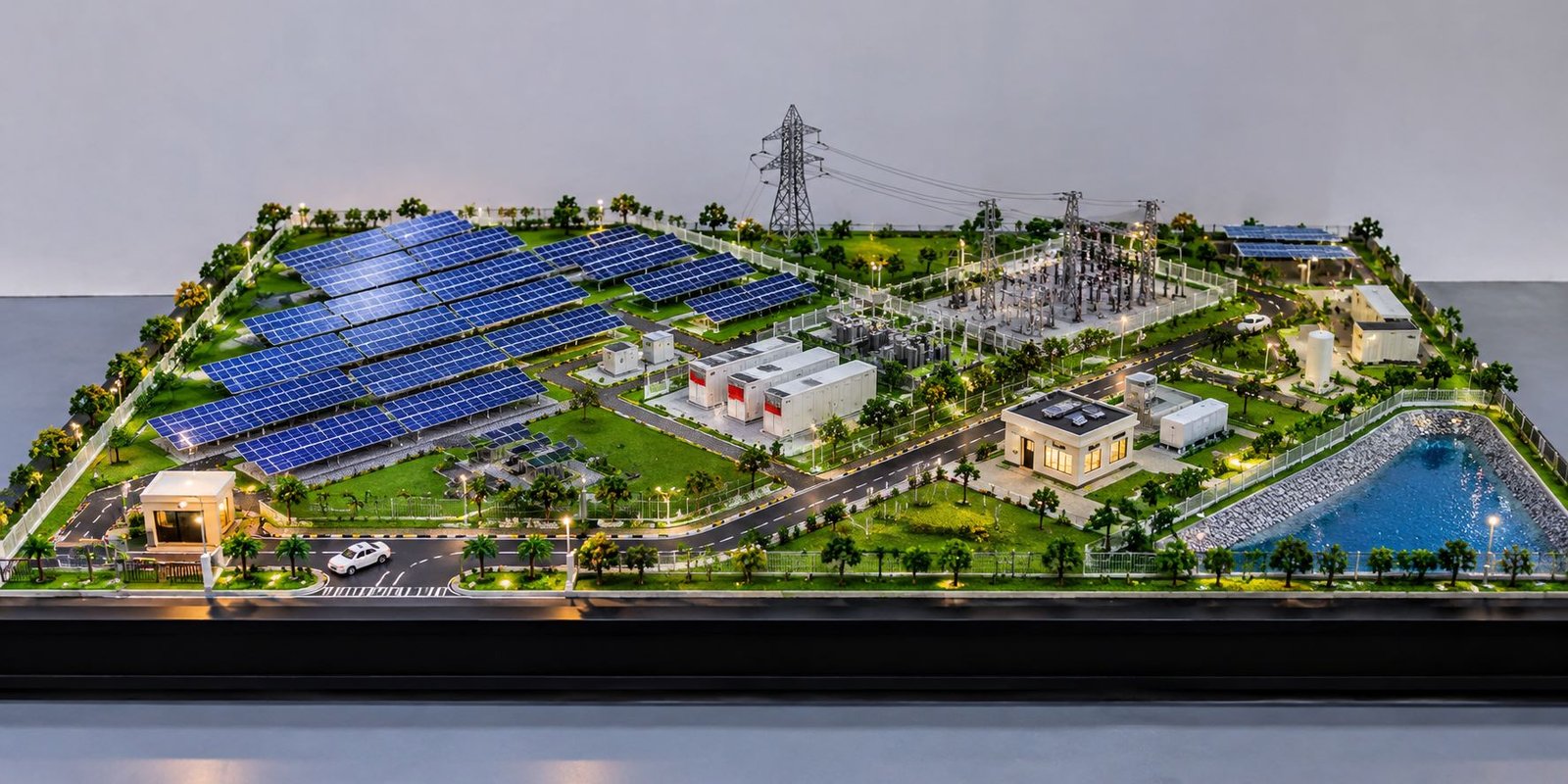
- Power Generation Projects
- Renewable Energy Companies
- Oil & Gas Sector
- Pharmaceutical Industries
- Chemical Plants
- Engineering Consultants
- EPC Companies
- Government Departments
- Research Organizations
- Engineering Colleges
- Technical Institutes
- Industrial Training Centers
Materials Used in Engineering Model Making
Professional engineering models are manufactured using premium-quality materials that ensure durability, precision, and excellent finishing. Common materials include:
- Acrylic Sheets
- PVC Foam Board
- ABS Plastic
- MDF Wood
- Aluminum Components
- Brass Parts
- Transparent Acrylic
- LED Lighting Systems
- Precision Laser-Cut Components
- High-Quality Paint Finishes
The selection of materials depends on the project’s complexity, display requirements, and durability expectations.
Applications of Engineering Models
Engineering models serve multiple purposes across industries:
- Industrial project presentations
- Manufacturing plant planning
- Factory layout visualization
- Product development
- Technical training
- Investor presentations
- Engineering exhibitions
- Government project approvals
- Educational demonstrations
- Research and development
- Corporate marketing
- Technology showcases
Benefits of Professional Engineering Model Making Services
Enhanced Project Visualization
A physical engineering model helps clients understand the overall project layout and operational concept before implementation.
Better Decision Making
Project teams can identify design improvements, optimize layouts, and make informed decisions through accurate model visualization.
Stronger Client Confidence
Detailed engineering models create a professional impression and help clients understand the project with greater confidence.
Effective Training Tool
Engineering models simplify technical training by demonstrating industrial systems, machine operations, and production processes in a practical manner.
Increased Exhibition Impact
Interactive engineering models attract visitors and make industrial displays more engaging during trade fairs and corporate exhibitions.
Why Choose Professional Engineering Model Makers?
Experienced engineering model makers understand industrial requirements and deliver highly accurate models that reflect actual engineering designs. Every model is carefully developed to maintain scale accuracy, fine detailing, premium finishing, and long-term durability.
Professional engineering model making services provide:
- Custom engineering solutions
- Accurate scale representation
- Premium finishing quality
- Precision laser-cut fabrication
- Functional working models
- Fast project delivery
- Reliable craftsmanship
- Customized industrial displays
Conclusion
Creating engineering models is essential in today’s industries, as it turns technical ideas into tangible, lifelike prototypes. Whether for industrial facilities, mechanical systems, prototype creation, or educational showcases, engineering models boost communication, streamline intricate designs, and elevate project presentations. Opting for professional engineering model-making services guarantees precision, high-quality output, and a compelling visual presentation that enhances effective project delivery.