Introduction to Master Planning
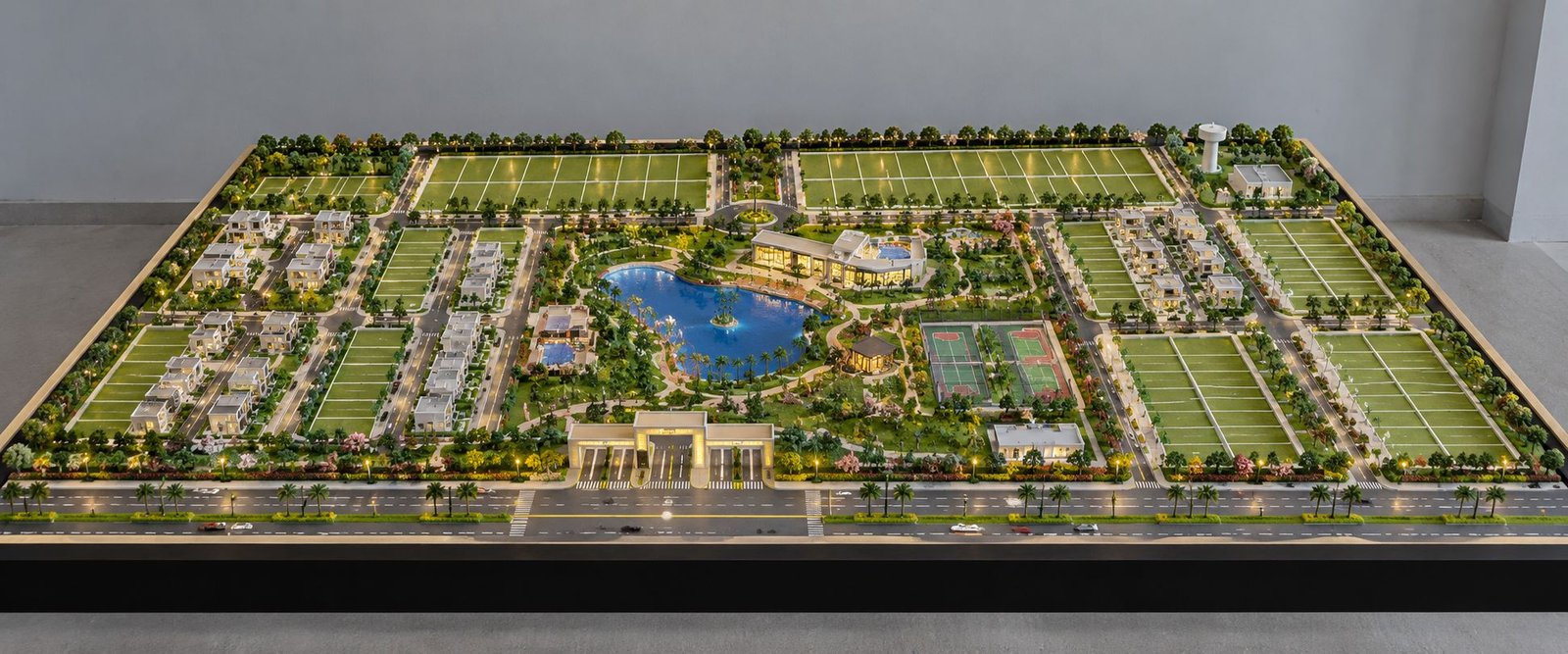
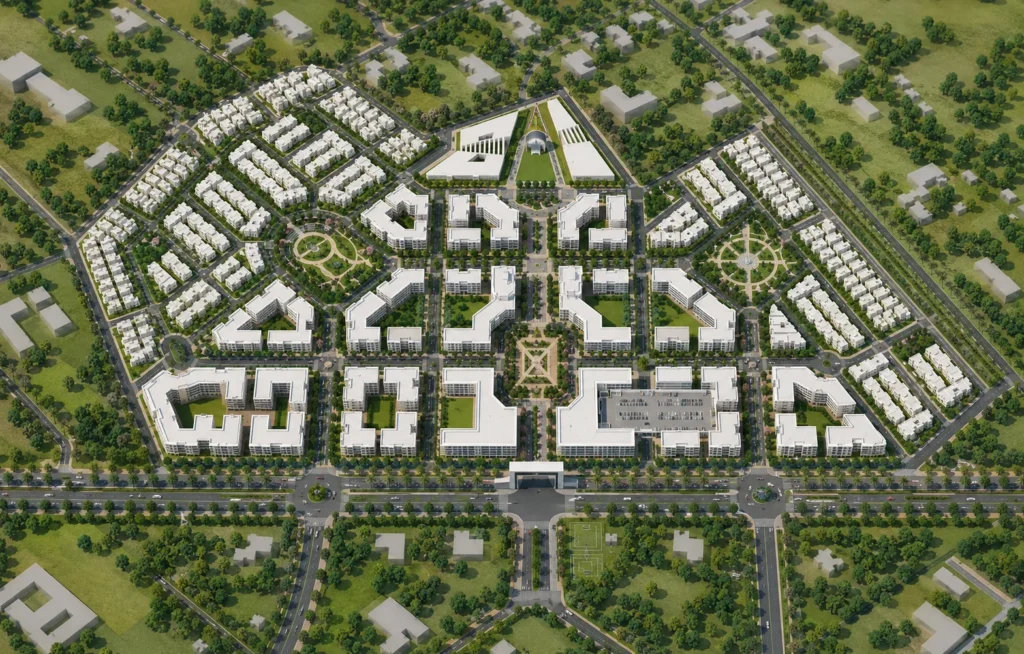
The master plan refers to the overall scheme that outlines the future direction of an area in terms of space organization and development. This scheme acts as the blueprint that makes land develop into a viable and aesthetic environment. The master plan can be applied in both urban cities, residential areas, commercial centers, and institutions with regard to their growth.
Core Principles of Master Plan Design
At its core, master planning integrates multiple disciplines, including architecture, urban design, landscape planning, transportation systems, and environmental management. It focuses on creating a balanced approach that aligns functionality, sustainability, and long-term scalability.
Site Analysis and Feasibility Study
The process of master planning starts with the thorough analysis of the site in which topography, climatic factors, infrastructure, land use, and socio-economic issues are analyzed. Such an analysis enables planners to know the strengths and weaknesses of the site.
Zoning and Land Use Planning
Based on site data, planners develop zoning strategies that allocate spaces for residential, commercial, industrial, recreational, and public utility purposes. Proper zoning ensures organized development and efficient land utilization.
Circulation and Connectivity Planning
The issue of circulation planning is one of the most important elements of a master plan. Circulation planning involves roads, footpaths, public transport facilities, and traffic control. Good circulation makes it easier to access services.
Sustainable and Smart Planning Strategies
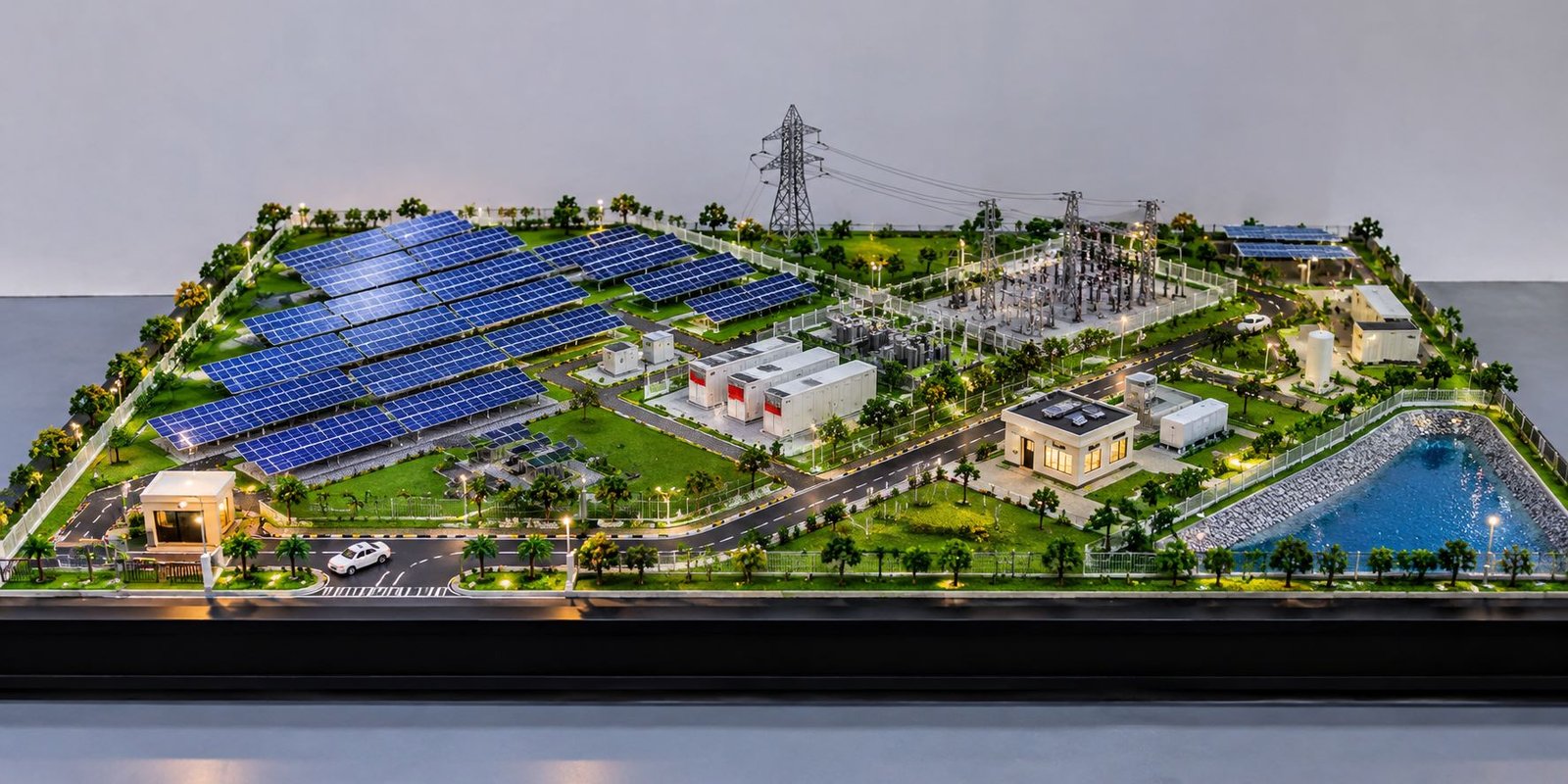
Modern master planning emphasizes sustainability through the integration of green spaces, water management systems, renewable energy solutions, and eco-friendly construction practices. These strategies contribute to environmental conservation and long-term resilience.
Urban Design and Visual Hierarchy
The ideal master plan is that which takes into account the concepts of visual hierarchy and harmony in space. The plan gives information regarding heights, densities, open spaces, and compositions for the urban skyline. Such elements of the landscape as parks, greenbelts, and water features are introduced into the urban form.
Technology in Master Planning
Technology plays a significant role in advanced master planning. Tools like GIS mapping, 3D visualization, and simulation models help designers predict growth patterns, analyze environmental impact, and present realistic project outcomes. These innovations enable better planning and informed decision-making.
Flexibility and Future Growth
Being flexible plays a crucial part in developing a well-designed master plan. The master plan has to allow for expansion and improvements in technology and changing needs without losing sight of the basic idea behind it.
Conclusion
Master planning is not just about having a design but rather involves a strategic blueprint for future development. This means that the process ensures organized development and is sustainable. For an architect, developer, and planner, a master plan that is successfully completed is fundamental to creating functional and sustainable spaces.